Homeowners associations and planned community operators that manage their own waste collection carry a service obligation every trash day on the calendar. Residents expect the route to run. Overflowing bins generate complaints and, in some communities, HOA board disputes that have real consequences for management contracts. The truck showing up is not optional, which means the equipment behind the service has to be dependable and the financing behind the equipment has to be sized correctly for a community-scale operation.
We work with HOAs, community development districts, and private community operators financing residential refuse equipment. The typical buyer here is not a large commercial hauler, it is a tightly run operation with a specific residential route, a predictable fee-based revenue stream, and a need for equipment that fits community streets and container configurations. We know that profile and we structure financing around it.
Equipment That Fits Community Routes
The dominant equipment type for HOA and planned community routes is the automated side loader. An automated side loader (ASL) allows a single driver to service curbside containers without leaving the cab, which reduces labor cost and speeds the route considerably. For communities with standardized roll-out carts (the 32-, 64-, and 96-gallon cart programs common in modern subdivisions), an ASL is the operationally correct choice and the one that lenders familiar with residential refuse understand as strong collateral.
Manual side loaders and rear-loaders also serve community routes, particularly in older neighborhoods with non-standardized waste set-out, or in dense townhome developments where container positions vary. A manual side loader is lower cost to acquire and can work well for smaller route volumes where a full ASL is not justified by the number of stops.
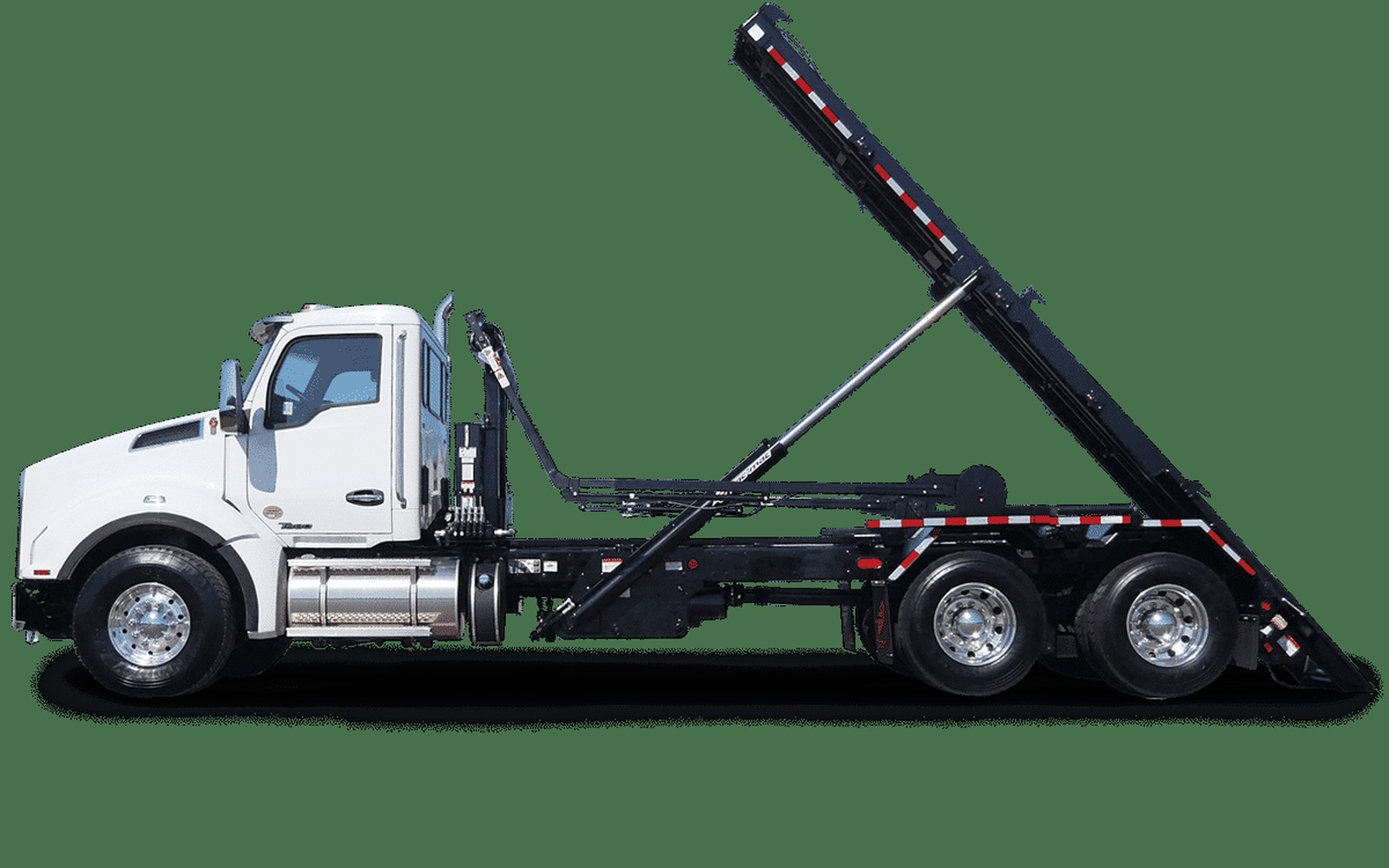
Some community operators also need a small roll-off component for community cleanup events, bulk waste days, or construction debris from common-area renovation projects. Adding a roll-off truck as a second asset to the financing package is common, and we can combine both units in a single transaction. Community operators who manage multiple neighborhoods or a large footprint may eventually need a second packer on the route, and fleet expansion financing is something we handle regularly.
How HOA and Community Operators Get Approved
Homeowners associations are legal entities, often organized as non-profit corporations in the state where the community sits. Community development districts are government-created entities with their own taxing authority. Private community operators may be LLCs or corporations managing common-area services under long-term agreements. Each of these structures looks different on a credit application, and we are familiar with all of them.
For HOA-related financing, we look at dues revenue, assessment collections, reserve fund positions, and any underlying property management agreements. A well-run HOA with stable collections is a creditworthy borrower even if its financial statements look different from a standard business. We do not require HOAs to have years of operating history in commercial waste collection to qualify, because many of these operators are internalizing a service they previously outsourced and have strong underlying financial health.
Deals under approximately $400,000 are handled on an application-only basis with three months of bank statements. For most HOA equipment purchases, that threshold is more than adequate. We do not have a minimum revenue floor that excludes small community operators managing 200 or 300 homes. If you have regular dues revenue and a clear need for the equipment, the conversation is worth having.
Refinancing an Existing Community Fleet
Some community operators and HOAs came into waste equipment ownership through an unusual path: they inherited trucks from a departing management company, took on equipment as part of a property transition, or bought units quickly without competitive financing in place. If you are carrying equipment on a loan with rates or terms that no longer fit, a garbage truck refinance can lower your monthly payment or extend the term to improve cash flow.
A Sale-Leaseback is another option for community operators who own equipment outright and need capital for community infrastructure projects or reserve funding. The truck continues to serve the route while the leaseback provides immediate liquidity. This structure is used more often than people expect in the community management sector, particularly by operators who bought equipment years ago and have built up significant equity.
Timeline and Process
HOA boards and community district managers often face board-approval cycles that slow down purchasing decisions. We work around that reality by providing commitment letters early in the process, before final board approval, so your board can act on concrete terms rather than estimates. Once approval is in place, we fund in about one to two weeks.
The application asks about the legal entity, its revenue base, the equipment being financed, and basic financial information. We do not route HOA applications through a generic commercial lending process that does not understand the assessment-based revenue model. Decisions come back within one to two business days on complete applications. If we need additional information, we ask directly rather than issuing an unexplained decline.
Operators serving communities in growth markets, including newly established HOAs in suburban developments, are welcome to apply. Newer communities with short financial history can qualify if the assessment income is stable and the management structure is sound.
Get Financing for Your Community Waste Fleet
HOAs and community operators that run their own waste service deserve a lender who understands the route and the entity behind it. Apply online or call us directly. Minimum $50,000. New and used accepted. Community and HOA structures welcome. Funding in about one to two weeks.
Route Questions