Baltimore's collection market sits at a demanding intersection: a dense urban core with its own municipal sanitation operation, a surrounding county ring where private operators hold contracts, and a port economy that generates industrial and commercial waste streams few other mid-Atlantic metros can match. The Inner Harbor and the Port of Baltimore have anchored a freight and logistics sector that extends up the I-95 and I-83 corridors, and the commercial waste from those operations is substantial and ongoing.
We finance refuse trucks and collection equipment for Baltimore-area operators. New equipment, used packers and roll-off rigs, refinancing on existing truck debt, and sale-leasebacks on trucks with clear titles. Minimum $50,000, typical deals at $100,000 to $150,000 per unit, fleet transactions above that. B and C credit considered. Application-only financing to about $400,000 on three months of bank statements. Funding in one to two weeks from a complete application.
Baltimore County, Anne Arundel County, Howard County, and Harford County all have active private hauling markets that supplement or serve alongside Baltimore City's municipal system. Operators who hold accounts in multiple jurisdictions across this ring carry dense route portfolios that support strong financing applications. The contrast between urban density in the city and the expanding suburban routes in the counties is what makes this one of the more varied markets on the East Coast for private waste operators.
Baltimore's Waste and Collection Landscape
The Port of Baltimore is one of the most active general cargo ports in the nation. Roll-on roll-off vehicle imports, steel, coal, and container traffic generate industrial waste and scrap that requires specialized collection. The port complex and the Sparrows Point industrial corridor to the southeast have historically supported an industrial waste stream that keeps specialized haulers busy year-round.
Commercial collection in Baltimore concentrates around the Inner Harbor, Fells Point, Canton, and the Route 40 commercial corridor. The biotech and pharmaceutical cluster in East Baltimore, centered on Johns Hopkins Hospital and the many research facilities surrounding it, generates medical and commercial waste under contracted collection arrangements. Healthcare is one of Baltimore's dominant economic sectors, and the waste streams attached to it are consistent and multi-year contracted.
Medical waste haulers serving the Hopkins complex and the University of Maryland Medical Center are a specialized segment operating under strict regulatory requirements. For general commercial and residential operators, the suburban counties offer growing route opportunity. Howard County in particular has seen consistent residential and commercial growth as the Baltimore-Washington corridor fills in. Private waste haulers holding Howard County and Anne Arundel County contracts serve some of the most stable residential routes in the state.
Equipment for Baltimore's Route Mix
Urban Baltimore routes in the city proper often need maneuverability above all else. Rowhouse blocks, alleys, and tight commercial streets favor rear-load and smaller front-load units that can navigate without damaging parked cars or getting blocked. A rear-load garbage truck sized for urban cycles is the workhorse on these routes.
County suburban routes have more room, and automated side-loaders have gained ground in single-family residential areas across the Baltimore suburbs. The efficiency gain on long residential streets with consistent cart placements makes the ASL a cost-effective choice for operators who have the volume to justify the unit's cost. We finance automated side-loader purchases for operators moving to or expanding that collection method.
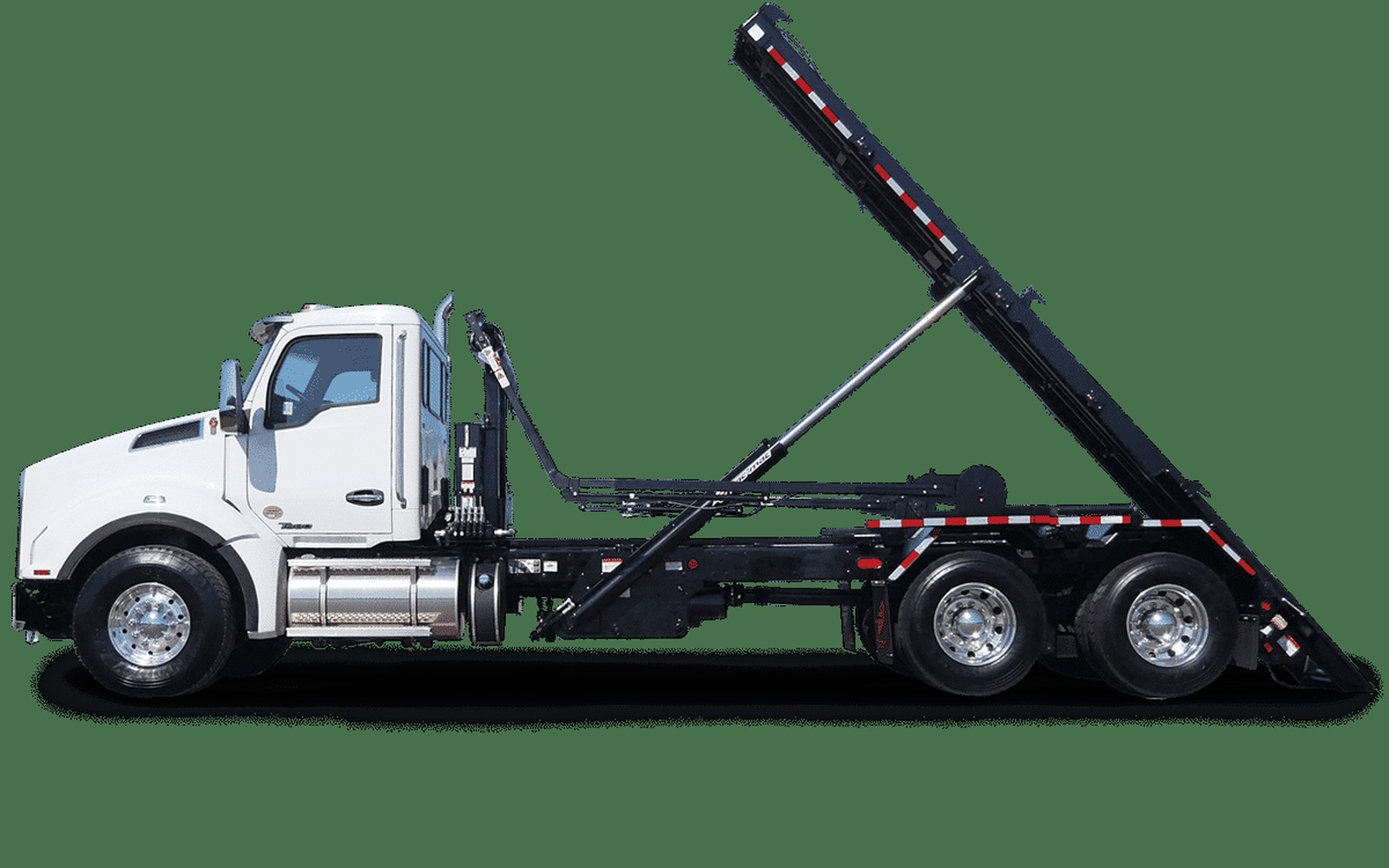
Roll-off operators in the Baltimore market serve construction sites, demolition projects, and the port industrial complex. Roll-off truck capacity needs to match the container sizes the market demands. Baltimore industrial clients often need 30 and 40-yard boxes that require a chassis with appropriate payload capacity. The 30-yard roll-off configuration is a standard choice for operators serving the Baltimore construction market, and we finance those units from dealers and private sellers.
Terms and Structures
Baltimore operators access the same financing structures as any other market. Standard equipment loans through a refuse truck loan give you clear ownership from day one with fixed monthly payments. Terms run up to 60 to 72 months on new equipment; used trucks qualify for terms matched to remaining service life. Rate is based on your credit profile and current lender conditions.
For operators managing multiple trucks, consolidating debt across units into a single structure can simplify cash flow management. We can structure refinances that cover multiple machines in one transaction, extending terms and reducing the number of payment obligations you track each month.
Tax considerations matter here too. Maryland operators who purchase equipment can take advantage of Section 179 deductions on qualifying commercial vehicles, which can significantly reduce the net cost of a new truck in the year of purchase. A Section 179 deduction strategy paired with a properly structured loan can make a new truck substantially less expensive on an after-tax basis. We outline the financing structure; your tax advisor handles the deduction strategy.
Route Questions