The tri-state area around Cincinnati, covering southwest Ohio, northern Kentucky, and southeast Indiana, gives operators here a geographic footprint that can support route density across three states. A hauler based in Hamilton County might hold residential contracts in Delhi Township, commercial routes in Covington or Florence across the river in Kentucky, and roll-off work on construction sites in Batavia or Mason. That kind of spread requires reliable equipment and the flexibility to finance a new truck as quickly as a contract opportunity opens.
We finance refuse trucks for operators across the Cincinnati metro and the surrounding tri-state communities. Minimum is $50,000 and most deals land in the $100,000 to $150,000 and above range. New and used trucks qualify. B and C credit is considered. Funding typically takes one to two weeks from application. All equipment categories are eligible: rear loaders, front loaders, roll-off trucks, grapple trucks, and recycling vehicles.
Cincinnati's Route Economy
Cincinnati has a diversified economic base that benefits waste haulers with stable commercial accounts across multiple industries. Procter and Gamble's global headquarters anchors a large corporate office market. The healthcare sector, including Cincinnati Children's Hospital Medical Center and UC Health facilities, generates consistent institutional waste. The Port of Greater Cincinnati and the freight activity at Cincinnati-Northern Kentucky International Airport support significant logistics and distribution operations that generate their own commercial waste streams.
Northern Kentucky across the river has grown substantially as a logistics hub, particularly around the I-75 corridor and the Amazon air hub at CVG. Operators who have crossed the Ohio River to pursue commercial accounts in Boone, Kenton, and Campbell counties have found active waste demand that mirrors the growth in that region. Commercial waste collection operators working both sides of the river have built route books with genuine geographic diversity.
The Queen City's residential neighborhoods, from the hills of Hyde Park and Mt. Lookout to the river communities of Loveland and Milford to the east, and Blue Ash and Montgomery to the north, generate consistent residential collection demand. Private haulers who hold those suburban contracts run dependable route revenue with predictable stop counts and multi-year contract structures.
Equipment for Cincinnati Area Operators
Rear loaders cover the dense residential routes in Cincinnati's urban and inner-ring suburban neighborhoods. Rear-load garbage trucks work the hill neighborhoods and the tight access lanes that characterize older Cincinnati residential streets. Manual rear loaders also remain viable in areas where helper-riding is still part of the service model, particularly in rural routes to the east and west of the metro.
Automated side loaders have expanded significantly in the planned communities and newer subdivisions of Warren County, Butler County, and Clermont County. Operators who won HOA or township contracts in those areas are typically running ASL equipment matched to standardized cart systems. Automated side loaders reduce the labor cost per stop substantially, which improves the economics of suburban residential contracts.
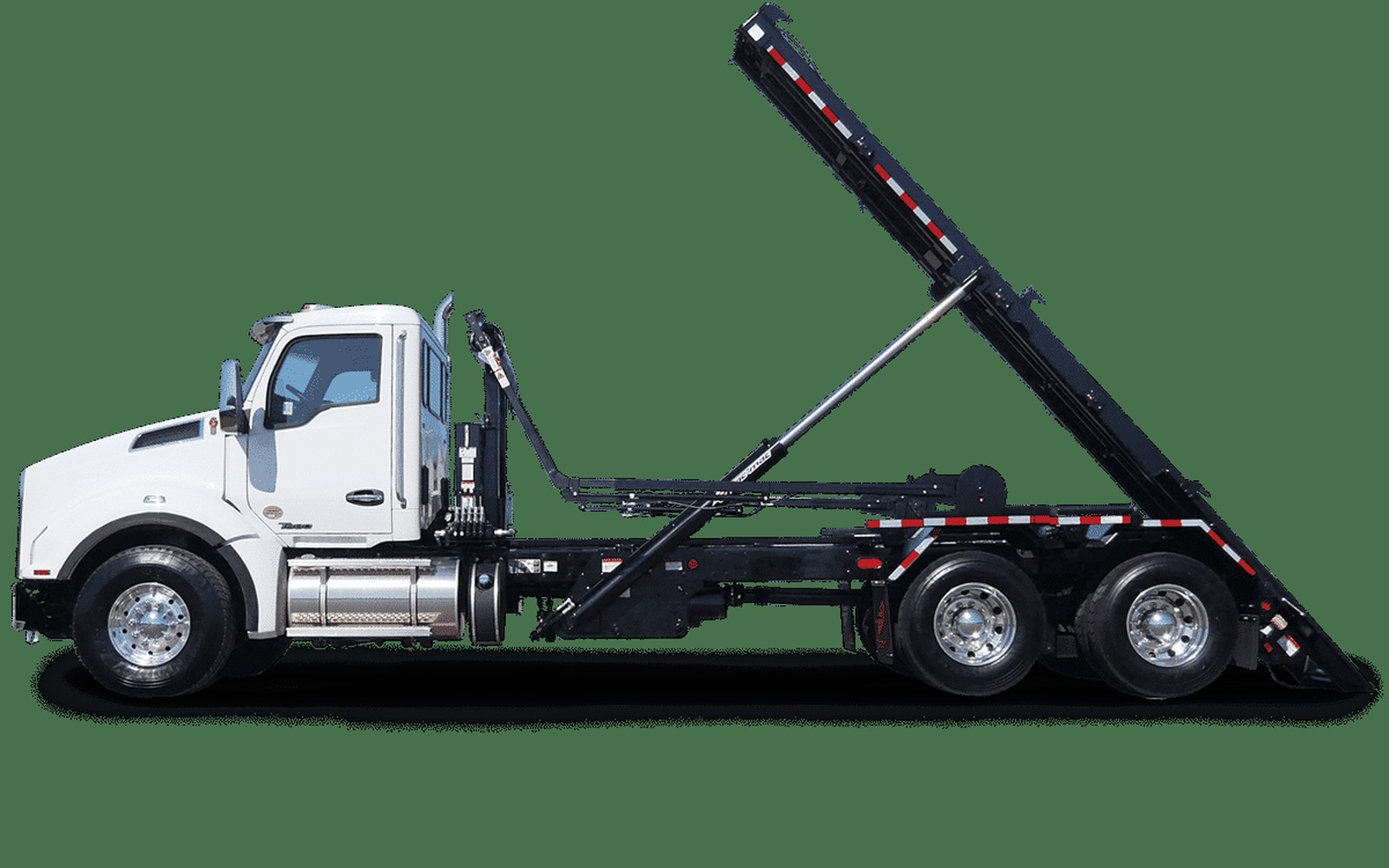
The construction activity in the northern suburbs and in the Newport and Covington redevelopment districts in Kentucky generates roll-off demand that supports dedicated operators. Container rental and swap service has been consistent in those corridors, and operators running 20 to 40-yard roll-off containers on regular rotation generate reliable revenue from that segment alone.
Speed and Process
An operator in Cincinnati who needs a truck to start a contract in three weeks has a real shot at making that timeline. For deals up to roughly $400,000, application-only financing removes the bottleneck of assembling a full tax return package. Three months of bank statements and a completed application are the starting point. We work with underwriters who specialize in commercial vehicle and vocational truck financing, so the equipment category is familiar and decisions do not stall for unfamiliarity.
Once the application is in and the file is complete, funding typically takes one to two weeks. That includes the approval, documentation, and disbursement. For operators buying from a dealer or a fleet seller, the timeline aligns well with the typical vehicle prep and delivery process.
For operators who want to use first-year tax deductions on a purchased truck, a refuse truck loan paired with a conversation about Section 179 eligibility is worth having with your accountant before you close. The deduction can materially reduce the effective first-year cost of the truck.
Cincinnati and Tri-State Operators We Work With
Owner-operators running one or two routes in Hamilton County. Growing companies with commercial accounts in the Kenwood or Milford business corridors. Operators building roll-off businesses in the northern Cincinnati growth suburbs. Junk removal companies in the Cincinnati market that are scaling from pickup trucks to a proper roll-off or grapple truck setup. All of these are real situations we handle regularly.
We also work with operators restructuring existing financing. A garbage truck refinance is a straightforward conversation if you have been paying on time and your original rate was set during a harder credit period. Lowering the payment on an existing truck frees cash that can go toward the next piece of equipment or toward a maintenance reserve.
Route Questions