The Dallas-Fort Worth metroplex is one of the three or four largest and fastest-growing metro areas in the United States. Suburbs like McKinney, Frisco, Allen, and Prosper have added tens of thousands of residents per year for the past decade. That growth translates directly into waste collection routes, and private operators serving those suburbs need equipment capacity to match the expansion. A contract for a new subdivision starts the day the last house closes, not the day the truck is eventually delivered.
We finance refuse trucks for Dallas-area operators across the full range of deal sizes. Our minimum is $50,000, and single-truck deals typically come in between $100,000 and $250,000. Application-only up to roughly $400,000. Funding timeline is one to two weeks. For operators managing the pace of a fast-growing suburban market, that timeline is the difference between accepting a contract and turning it down for lack of equipment.
We fund purchase financing, garbage truck refinancing, and sale-leaseback for DFW operators. New and used equipment both qualify. B/C credit situations are reviewed with bank statements and contract documentation carrying significant weight.
The DFW Waste Market: Suburban Growth and Commercial Density
Dallas and Fort Worth each operate municipal collection programs for their own residents. The private waste market in DFW is concentrated in the suburbs and in commercial collection throughout the metro. Collin County alone has added population at a pace that makes it one of the fastest-growing counties in the country for several consecutive years, and operators holding suburban residential contracts in that corridor are running routes through new development that did not exist a few years ago.
Commercial waste collection in Dallas's Uptown, Knox-Henderson, Deep Ellum, and the Medical District generates dense front-loader route work. Commercial front loaders servicing restaurant and retail accounts in those corridors need to be reliable; missed pickups under city commercial ordinances create compliance exposure for the hauler.
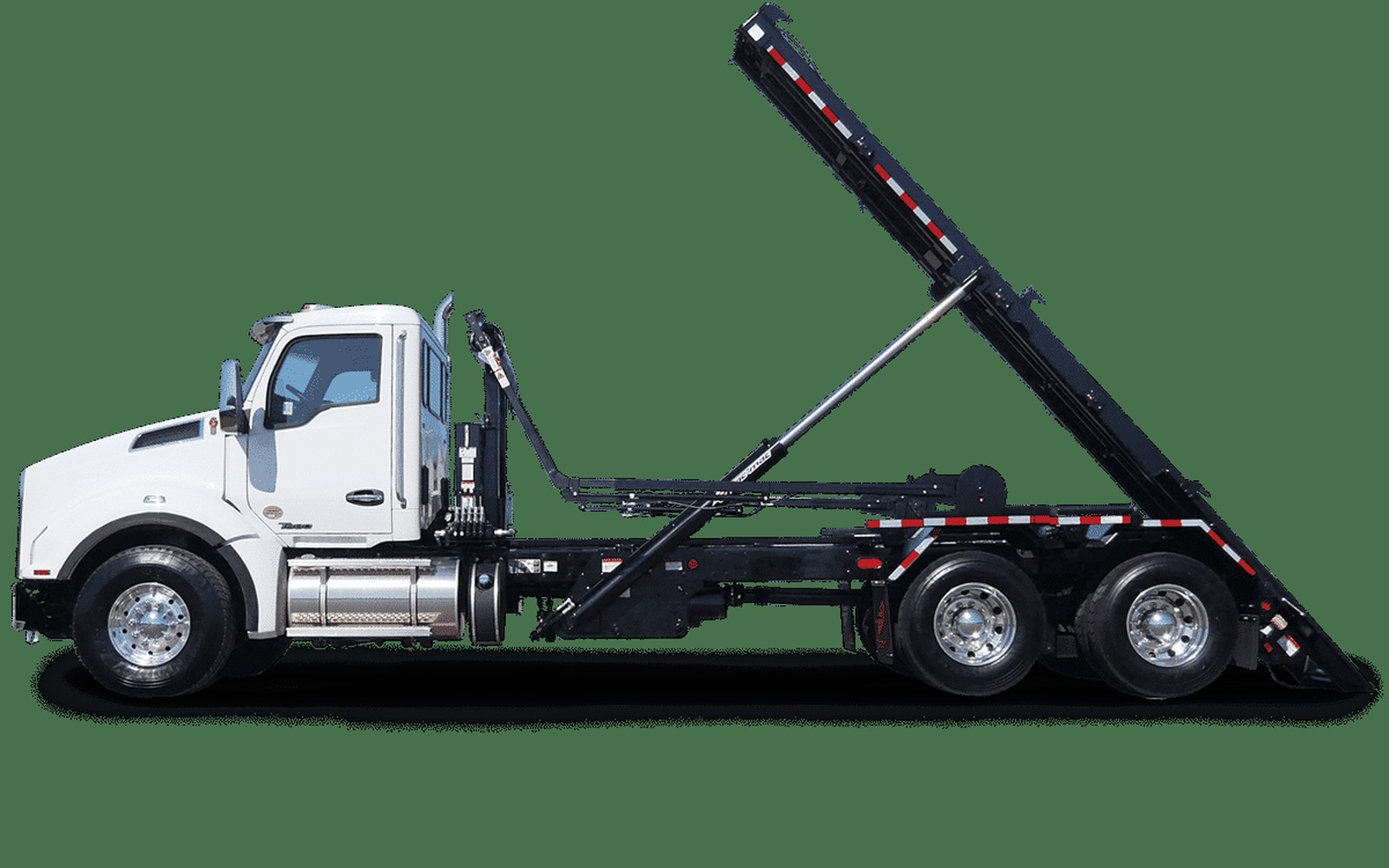
Construction and demolition activity in DFW is persistent and large-scale. The ongoing highway expansions, mixed-use development in Frisco and Plano, and office and industrial construction along the DNT and 635 corridors generate steady debris volume. Operators holding C&D contracts need roll-off trucks running reliably through active project cycles. A truck down during a building pour is a missed-container charge and a damaged customer relationship.
How Financing Works for DFW Operators
The process starts with an application. For deals up to roughly $400,000, we work application-only, meaning no tax returns, no financial statements. The file is: application, business entity documentation, equipment details, and three months of bank statements if the deal size warrants. We review the file, communicate what we see, and move to approval without unnecessary back-and-forth.
Structures include standard equipment loans, lease options, and refinancing. A dollar buyout lease is common for operators who want the truck at end of term for essentially nothing down on the residual. A fair market value lease typically carries lower monthly payments in exchange for a market-price buyout option at term end. For operators who turn equipment regularly, FMV terms can make the monthly math work better even if it means not owning the unit outright at the end.
Texas has no personal income tax and a relatively operator-friendly business environment. Section 179 expensing and bonus depreciation apply to purchased equipment and can meaningfully affect the first-year cost calculation. Discuss the tax implications with your accountant when modeling the deal.
New Versus Used in the Dallas Market
DFW's growth pace means there's a reasonable supply of late-model used equipment cycling through the market as operators upgrade, retire units, or exit the business. A three-to-five-year-old automated side loader or rear-loader body on a maintained chassis can be a cost-effective entry point for a new operator or a budget-conscious expansion. We finance used refuse truck financing with the same process and timeline as new equipment.
New equipment brings warranty coverage, current emissions compliance, and factory support, which matters on routes where downtime has contract consequences. For operators under pressure to add compliant, reliable equipment to a growing route, new may be the right answer even at higher cost. We finance both without preference; the decision belongs to the operator and their accountant.
For operators adding their first truck or entering the market on a tight budget, the used market in DFW gives real options at the $50,000 to $100,000 level. That's our floor and low end of our sweet spot, and we work those deals regularly.
Route Questions