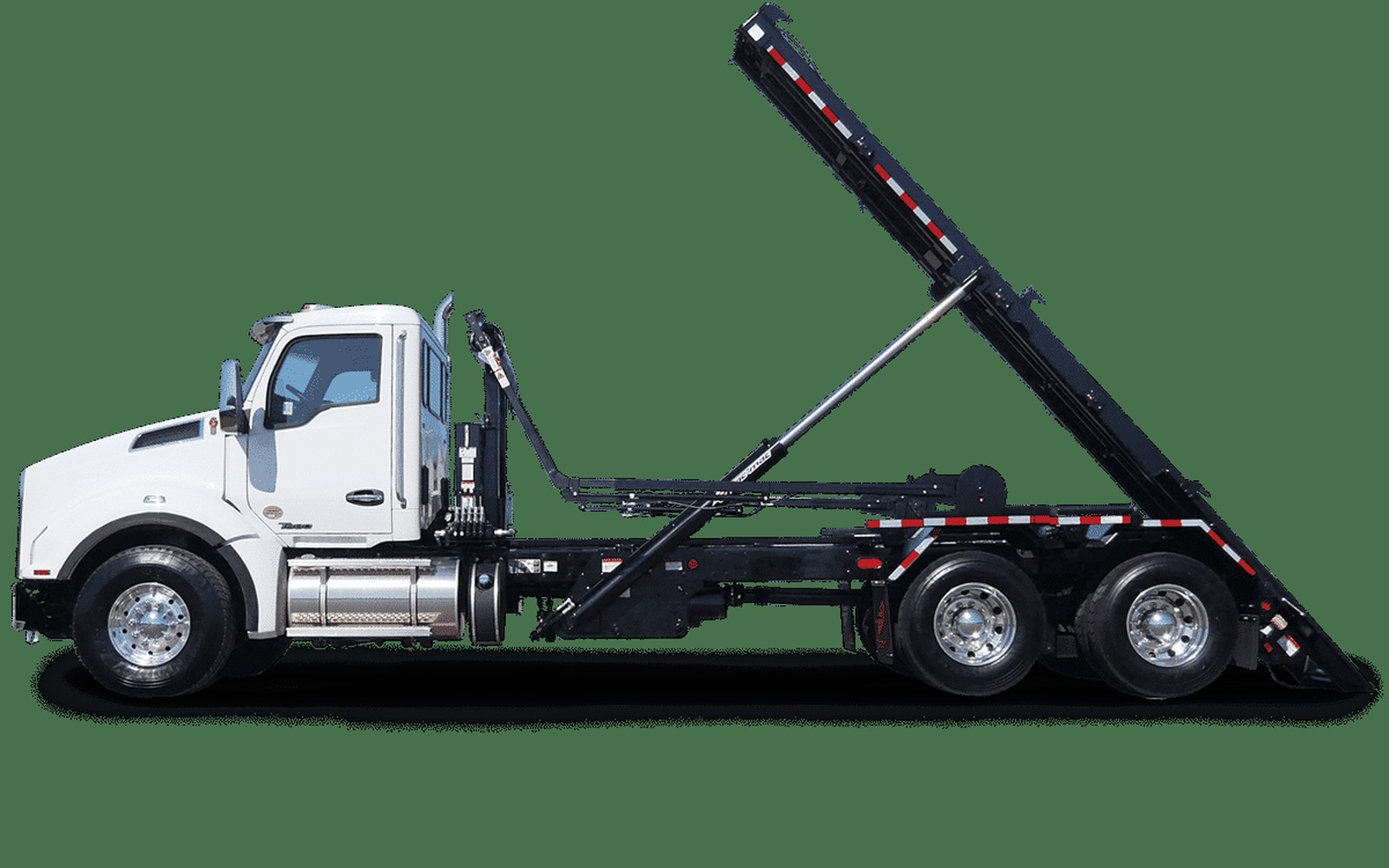
A Milwaukee route runs whether it is February or August, which means the truck has to run too. Operators in this market carry residential contracts through neighborhoods stretching from Bay View to Menomonee Falls, commercial accounts along the I-94 industrial corridor, and roll-off work tied to the construction activity filling in the Harbor District and the Third Ward. The equipment commitment is substantial and ongoing, and it does not pause for a slow quarter.
We finance refuse trucks, roll-off rigs, and related collection equipment for Milwaukee-area operators. That means new purchases, used equipment from dealers or private sellers, refinancing existing iron, and sale-leasebacks on clear-titled machines. Our minimum is $50,000, the sweet spot for most route operators falls landing between $100k and $150k, and we handle larger fleets on the same relationship. B and C credit considered. We work from your application and three months of bank statements up to about $400,000, so the process does not become its own project.
Milwaukee's waste market includes private haulers competing for municipal subcontracts, stand-alone commercial accounts, and specialty streams like construction debris from the significant redevelopment running along the lakefront. Whatever the contract looks like, the equipment has to be ready. The financing should make that easier, not harder.
Milwaukee's Collection Environment
Milwaukee County runs a mix of municipal and contracted collection, with private operators holding a meaningful share of residential and commercial tonnage in the metro. The city proper and surrounding suburbs like Wauwatosa, West Allis, and Greenfield each run their own service arrangements, and private haulers often hold multi-year contracts that function the same way a municipal award does: steady volume, predictable tonnage, route obligation every collection day.
The industrial base along the Menomonee River Valley and the Port of Milwaukee generates commercial and industrial waste streams that need front-load and roll-off capacity on a regular schedule. Breweries, food processors, and the manufacturing operations that still anchor the region produce consistent tonnage. Operators who serve those accounts run commercial front-load packer trucks on tight urban cycles and roll-off trucks for the larger debris volumes.
Wisconsin winters are not casual. Equipment that is not maintained correctly fails in sub-zero temperatures, which is why operators here tend to keep tighter replacement cycles than markets with mild climates. That replacement pressure is steady, and financing is the tool most operators use to manage it without emptying a reserve account.
How the Process Works
The sequence is straightforward. You identify the truck, whether that is a new unit from a dealer or a used packer you found through a fleet sale. We structure the financing around the equipment, your route revenue, and your credit profile. Documentation for most applications is the application itself plus three months of bank statements. Larger transactions or more complex credit situations may call for additional items, but we start simple.
From application to funding typically runs one to two weeks. We work with a range of lenders who specialize in refuse equipment, so your credit profile does not need to be pristine. Operators who have a contract in hand, even on a business that is relatively new, often qualify because the contract is the revenue evidence the lender needs. Application-only financing up to approximately $400,000 avoids the full-disclosure financial statement requirement that banks impose.
You can finance purchase, do a garbage truck refinance to improve cash flow on existing debt, or pull equity out of clear-titled equipment through a Sale-Leaseback. All three options are available on both new and used equipment.
New Trucks and Used Equipment
New truck orders in the refuse market come with lead times. For some body and chassis combinations, operators are placing orders six to twelve months ahead of delivery. Financing a new unit means your capital stays in the business during that window, and the payment starts when the truck does.
Used equipment is the more common starting point for growing operators and for those adding a second or third unit. A well-maintained rear-load garbage truck at two to four years old still has solid service life ahead of it and lands at a lower acquisition cost. We finance used trucks from dealers, auctions, and private fleet sales. The key is that the equipment needs to have enough remaining useful life to support the loan term, which a basic inspection typically confirms.
Milwaukee operators looking at used garbage trucks landing between $75k and $150k find that used financing is often the fastest path to adding capacity without the wait that comes with a new order.
Route Questions