Philadelphia's private waste market sits alongside one of the largest municipal collection operations on the East Coast. The Philadelphia Streets Department handles residential collection for the city's 1.6 million residents, which means the private sector is concentrated in commercial, industrial, and suburban collection throughout the five-county Philadelphia metro. The city is surrounded by Delaware, Montgomery, Chester, and Bucks counties, each with suburban municipalities that contract out residential and commercial collection to private operators. Holding those contracts means having equipment that runs every scheduled pickup, every time.
The port complex along the Delaware River, the refinery corridor in South Philadelphia (now converting to renewable energy production), and the manufacturing and distribution activity in the Northeast and along the I-95 corridor add industrial and commercial waste volume to the mix. Operators in this market often serve a mix of commercial accounts in the city and suburban residential or municipal contracts in the surrounding counties. Balancing that geography requires trucks you can count on.
We fund refuse trucks for Philadelphia-area operators from $50,000 up. Application-only up to roughly $400,000. Funding in one to two weeks. Refuse truck loans, lease structures, refinancing, and sale-leaseback all available.
Philadelphia's Waste Market: Commercial Density and Suburban Contract Territory
Philadelphia's commercial waste market covers some of the densest restaurant and retail corridors in the Northeast. Center City, Rittenhouse Square, Old City, Northern Liberties, and South Philly all require high-frequency commercial collection. Commercial front loaders servicing restaurant and retail accounts in these corridors need to be reliable on a daily service schedule. A missed pickup in a restaurant corridor during a busy weekend period creates immediate client friction.
The suburban contract market in Montgomery County, Bucks County, Chester County, and Delaware County is substantial. Communities like King of Prussia, Norristown, West Chester, and Doylestown contract out residential and commercial collection to private haulers. Those contracts are won on price and reliability, and operators who hold them protect them with equipment that doesn't create service failures. We work with haulers throughout the five-county Philadelphia metro.
The construction and development activity in the Delaware Valley is steady. University City expansion, the continued development of South Philadelphia's waterfront, Fishtown and Kensington residential redevelopment, and commercial construction along Route 30 in the western suburbs all generate C&D debris volume. Construction and demolition debris haulers need roll-off trucks available to cycle through active project sites.
Equipment and Operators That Qualify
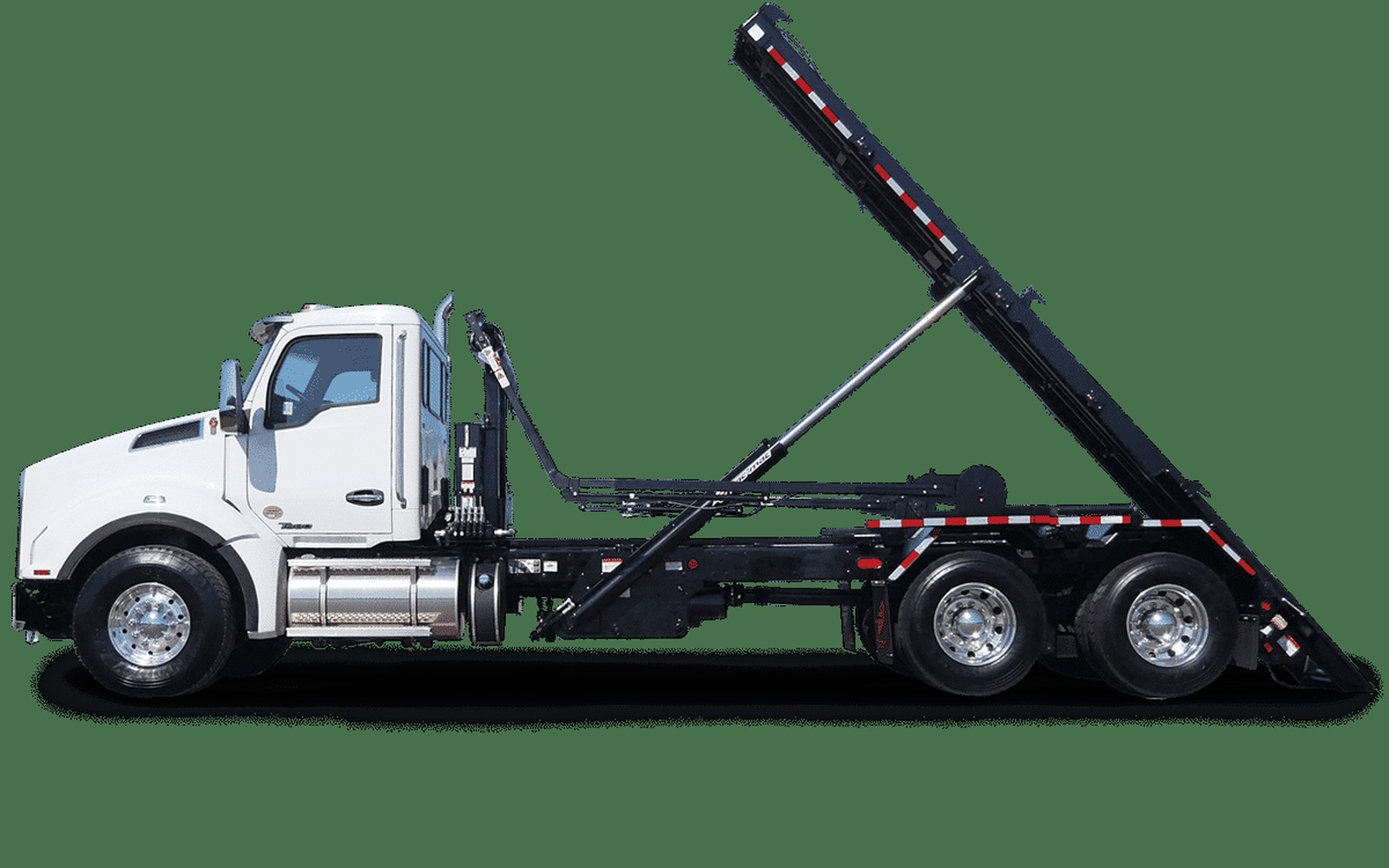
New and used refuse trucks at the $50,000 minimum and above. Rear loaders, front loaders, automated side loaders, roll-off trucks, recycling trucks, and specialty equipment all fall within our financing scope. Pennsylvania does not have specific state-level emissions mandates for refuse trucks equivalent to California's CARB requirements, though Philadelphia is in the PADEP non-attainment area for certain pollutants, which may factor into future fleet decisions.
Operators at all stages are welcome. Established haulers with long-standing commercial accounts in the city or suburban municipal contracts in the counties have straightforward applications. Newer operators entering the market are reviewed on bank statements and contract documentation. B/C credit is considered. The underwriting looks at the business's revenue pattern and stability alongside the credit profile.
We offer application-only financing up to roughly $400,000 without requiring tax returns or full financial statements. For larger or more complex deals, three months of business bank statements completes the file. The documentation burden is intentionally light because the process should not be the obstacle.
Pulling Equity from Your Fleet
Philadelphia-area operators who've run their business for several years often have trucks with meaningful equity. A garbage truck refinance extracts that equity as cash while keeping the truck in the fleet. For an operator who needs funds for a bid bond on an upcoming suburban municipal contract, a down payment on a shop, or a maintenance reserve heading into winter, that cash can come from the trucks you already own.
A Sale-Leaseback converts outright-owned equipment to immediate liquidity. You receive the cash at closing and continue running the truck under a lease payment. That structure is common among operators who want to free up capital for a specific business purpose without taking on new debt unrelated to an equipment purchase.
Both options are available here. The truck needs to appraise at a value that supports the amount you're requesting, and we'll be direct about what the numbers look like before you commit time to the process. Pennsylvania winters are hard on equipment, so condition matters in the appraisal.
Route Questions