Tucson's waste collection market runs under conditions that test equipment in ways that operators in more temperate climates do not face. Summer temperatures routinely exceed 105 degrees, hydraulic fluid temperatures on a packer running a mid-afternoon route can stress seals and cylinders that would last years longer in a cooler climate, and the fine silicate dust that settles on everything during monsoon season finds its way into mechanical systems that are difficult to clean completely. Operators here build maintenance reserves into their business models because the climate makes them necessary.
We finance refuse trucks and roll-off equipment for private haulers and contract operators in Tucson, Pima County, and the surrounding communities including Marana, Oro Valley, Sahuarita, and the Tucson metropolitan statistical area. Our minimum is $50,000, application-only approvals run to roughly $400,000, and decisions typically arrive within a few business days with funding following in one to two weeks.
Tucson's Hauling Market
Tucson's economy runs on the University of Arizona, the Davis-Monthan Air Force Base, and a growing semiconductor and defense technology sector. Raytheon Missiles and Defense maintains a large presence in the metro, and the combined institutional and manufacturing base generates commercial waste volumes on tight service schedules. Haulers with accounts at military installations and defense contractors serve clients who impose service requirements more precisely than most commercial accounts.
The City of Tucson handles residential collection directly through its Environmental Services division, but private operators handle the commercial market and the surrounding unincorporated Pima County communities. Marana and Oro Valley in the northwest quadrant and Sahuarita to the south have grown substantially through residential development and now represent meaningful private collection markets.
Construction and demolition volume in Tucson has been supported by a sustained period of residential expansion and institutional construction, including University of Arizona expansion and medical center development. Construction and demolition debris haulers serving those projects need reliable roll-off trucks capable of handling Arizona summer conditions without hydraulic failures that stall a container rotation.
Equipment We Finance in Tucson
Commercial collection in Tucson's downtown and the Fourth Avenue and University districts uses front-load garbage trucks on tight schedules. The hospitality and entertainment density around the UA campus and Tucson's tourism economy generates commercial waste volumes that operators on those routes understand well.
Automated side loaders have become standard on Tucson residential routes over the past decade. The City's adoption of ASL equipment has been comprehensive, and private operators serving adjacent communities have followed the same trend. Automated side loaders in Tucson's heat require specific hydraulic maintenance intervals and attention to arm alignment that experienced desert operators build into their service schedules.
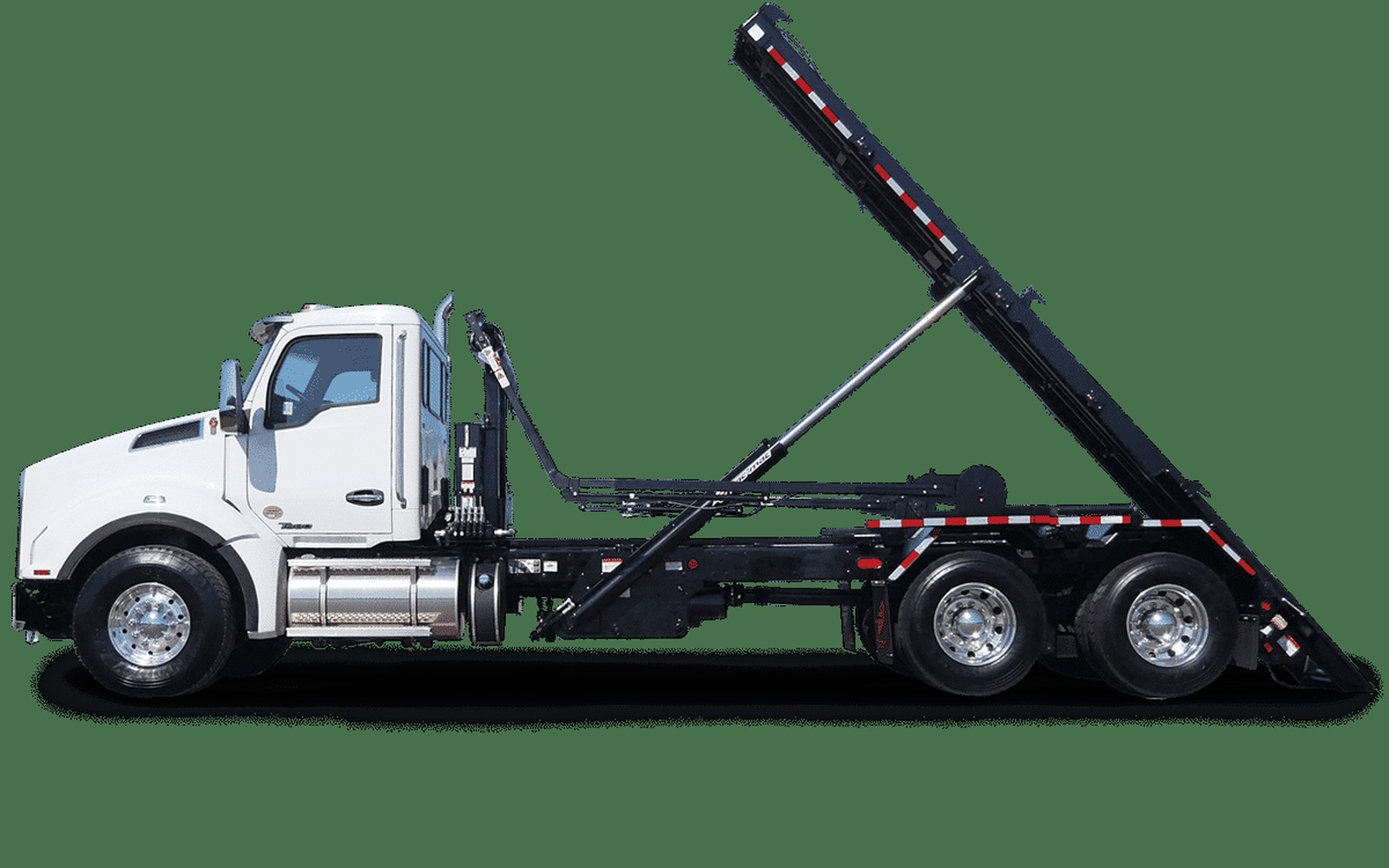
Roll-off trucks serving the construction market and the significant junk removal and yard waste market in Tucson need chassis that handle the heat without powertrain stress. Roll-off trucks in Tucson run daily container swaps on construction sites, renovation projects, and the household cleanout market that the metro's active real estate turnover generates.
Used equipment from the Arizona market is often in better structural condition than used trucks from humid climates. Refurbished refuse trucks that have spent their service life in the dry Southwest tend to show lower corrosion and better body condition than equivalently aged units from wetter regions. Our lenders understand the regional market and appraise accordingly.
Refinancing and Sale-Leaseback for Tucson Operators
Operators who built their fleets during periods when rate conditions were different sometimes find that a garbage truck refinance can improve cash flow without requiring a new equipment purchase. If the rate on an existing loan is materially above current market and the truck has a year or more of useful life remaining on the loan, a refinance may reduce the monthly payment enough to justify the transaction costs.
A Sale-Leaseback on paid-off equipment is a different conversation. Operators who own one or two trucks outright sometimes find that the equity is more useful deployed as operating capital or as a down payment on new equipment than sitting in a depreciating asset. The mechanics are simple: we buy the equipment at fair value, you lease it back and make structured payments, and you retain operational control of the truck through the lease term.
Tucson operators who want to pull capital out of existing equipment to fund a deposit on a new Pima County or Marana commercial contract can use a sale-leaseback to generate that capital without taking on a second truck or a new loan on top of existing obligations.
Route Questions