Packer trucks are the core tool of refuse collection. Whether you are running a residential rear-load route, a commercial front-load circuit, or a split-body operation that handles both in a single shift, the packing mechanism is what makes the economics work. A truck that compacts efficiently carries more per run, completes the route in fewer trips, and extends the time between disposal site visits. Financing a packer truck means financing the primary revenue-producing asset in a waste collection operation, and lenders who understand the business treat it accordingly.
The term packer truck covers a broad range of equipment. A small rear-load packer on a single-axle chassis is a fundamentally different unit from a large front-load packer on a tandem-axle low-entry cab. Prices reflect that range: lightly used rear-loaders can fall below $100,000 while new front-loaders from major body builders frequently exceed $350,000 fully configured. We finance across that full spectrum, and the credit structure we propose is matched to the transaction size, not a one-size approach.
Financing a Packer Truck: What the Process Looks Like
The starting point is a one-page credit application. For transactions up to approximately $400,000 we can typically underwrite on application alone, without requiring years of tax returns or audited financials. Above that threshold, or in situations where the credit picture warrants additional support, we bring in three months of bank statements and sometimes the underlying service contract. That additional documentation almost always strengthens the file rather than slowing it down, because a visible route revenue stream is a positive factor for lenders who finance refuse equipment regularly.
From there, the lender reviews the collateral. For a new unit, the purchase order and dealer invoice are sufficient. For a used unit, we may request an inspection report or a short appraisal, particularly on higher-mileage equipment. Funding typically happens in about one to two weeks from a complete file. The most common delays are title issues on used equipment or missing information on the insurance certificate, both of which we flag early so they do not surprise you at closing.
Structures available include a standard loan where you own the truck from day one, a lease with a residual if you prefer to roll into new equipment on a scheduled cycle, or an application-only financing package for qualifying transactions. Operators already running equipment can also explore a Sale-Leaseback on trucks they own free and clear to pull working capital without selling the asset.
Rear-Load vs. Front-Load Packers: Spec Differences That Affect Financing
Rear-load packers collect from the rear hopper and compact material forward into the body. They are the dominant tool for residential collection and remain widely used for commercial stops that use roll-out carts or bags. Body capacities range roughly from 16 to 28 cubic yards on a standard chassis, with compaction ratios commonly in the range of 3:1 to 5:1 depending on the packing mechanism and the material being collected. Bodies from manufacturers like Heil and New Way use different ejector and blade designs that affect both compaction efficiency and maintenance frequency.
Front-load packers are configured to pick up commercial dumpsters using forks that engage the container at the front of the truck. These units are heavier, require more chassis capacity, and are almost always paired with a tandem-axle or specialized low-entry cab. The fork cylinders and lid openers add hydraulic complexity relative to a rear-loader. From a lender's perspective, front-load packers have strong residual value because commercial accounts create consistent, predictable route revenue, and the trucks themselves are purpose-built enough that they remain useful for their entire expected service life.
Split-body units that carry two separate compartments, typically for source-separated recycling alongside refuse, are a variant worth mentioning. These add body cost and mechanical complexity but allow a single truck to service both waste streams in one pass. Financing a split-body packer follows the same process as any other packer truck.
Credit Considerations for Packer Truck Buyers
We work with operators across the credit spectrum. Strong-credit buyers (A paper) qualify for the most competitive rate structures and the longest available terms. B and C credit operators can still get transactions done; the structure typically involves a higher rate, a larger down payment, or a shorter term, and in some cases all three. What matters is that the business is operating, generating route revenue, and has a realistic plan for servicing the debt. A clear service contract or municipal agreement is a strong offset to credit imperfections because it demonstrates forward revenue.
Startup operators entering the refuse business face a narrower set of lenders but are not excluded. The strongest startup files include a signed contract, an operator with industry experience (even from prior employment rather than ownership), adequate personal credit, and a down payment demonstrating equity in the transaction. New-business startup financing for refuse trucks is a specialized product and we know which lenders participate in it.
Operators looking to finance additional trucks to expand route capacity, or commercial waste collection businesses adding front-load capacity, represent some of the more straightforward transactions we handle. An established business with documented revenue from existing routes is a clean story to present to lenders.
Related Equipment to Consider Alongside a Packer Truck
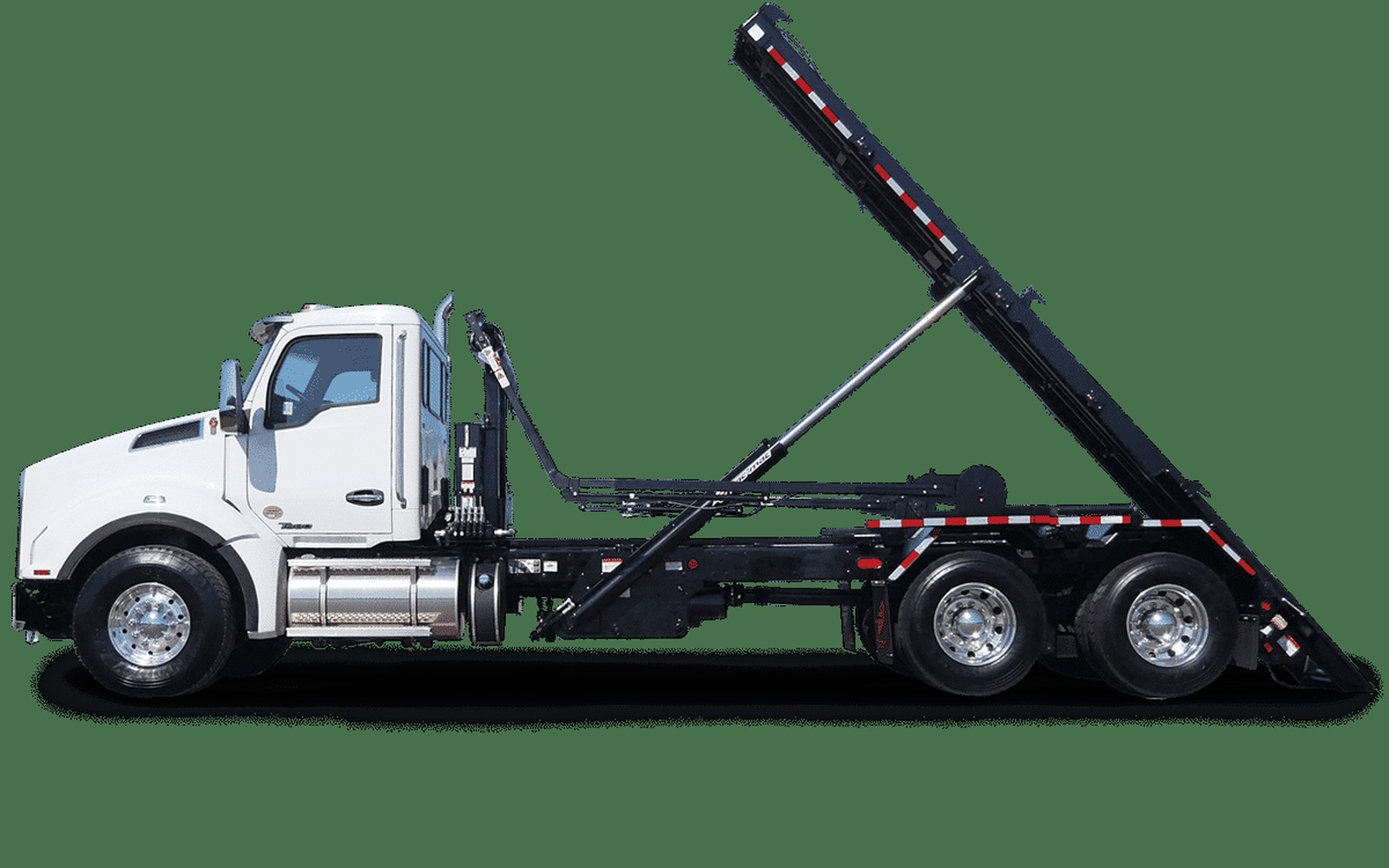
Operators who run packer trucks for residential collection often complement their fleet with a roll-off truck to handle construction debris, bulky item cleanups, or commercial container rental. Adding a roll-off opens a second revenue line from the same customer base and the same service territory, and we can finance both units in a single transaction or separate applications depending on which approach works better for your balance sheet.
The chassis that carries a packer body is itself a major cost driver, and operators sometimes finance the chassis separately from the body, particularly when ordering custom or specialty configurations. We handle chassis-only transactions as well as complete unit deals, and can structure the financing so the two obligations align in term and payment timing.
Operators who want to manage tax liability in the year of acquisition should ask about Section 179 deduction treatment, which allows qualifying businesses to deduct the full cost of a purchased asset in the tax year placed in service rather than depreciating it over several years. This is a real planning tool with real dollar impact, and it is worth discussing with your accountant before the deal closes.
Route Questions