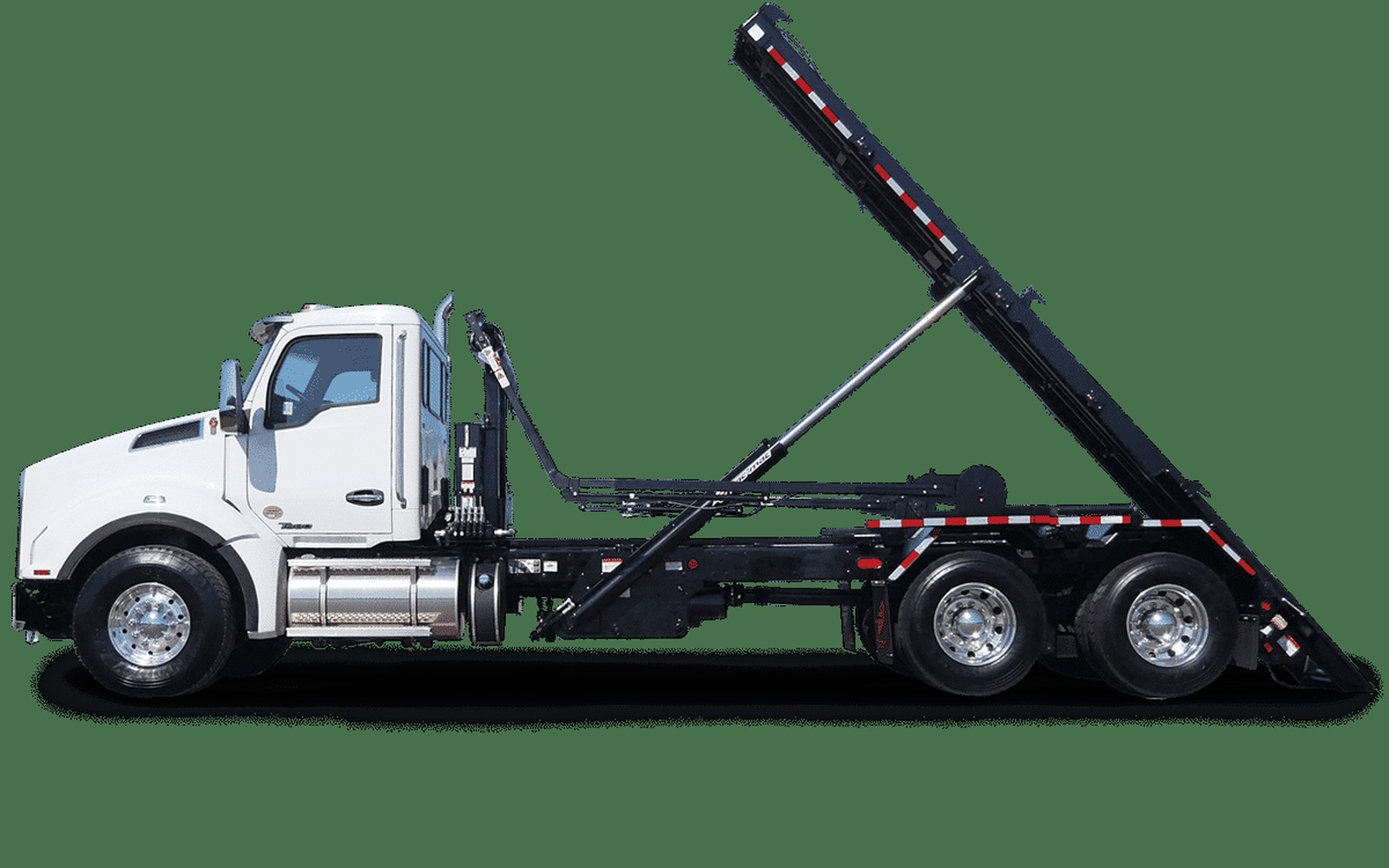
Transfer stations and material recovery facilities run on a rhythm that does not pause for equipment failures. The yard spotter truck, sometimes called a terminal tractor or yard goat, is the piece of that rhythm that keeps trailers moving between the tipping floor and the outbound dock. Without it, lined-up packer trucks wait, haul routes back up, and contract tonnage commitments become hard to meet. That kind of operational drag is expensive, and it starts with one piece of equipment that most operators do not think about until it breaks.
We finance yard spotters for transfer station operators, landfill facilities, and large private haulers who run their own dock operations. Minimum transaction is $50,000. Our sweet spot is $100,000 to $150,000 and above, which covers most new spotter configurations and a solid range of late-model used units. Applications under $400,000 generally require only an application and three months of bank statements. Funding in about one to two weeks is typical once documents are in.
New or used, single-axle or tandem, diesel or compressed natural gas, we work with the equipment you are actually buying. Used yard spotter financing is available for operators picking up proven iron at auction or from a retiring hauler. The route still needs to move whether the truck is brand new or has 80,000 miles on it.
What a Yard Spotter Actually Does in a Waste Facility
A yard spotter is purpose-built for one thing: moving semi-trailers short distances within a yard, dock, or staging area without a Class 8 highway tractor. The cab is elevated for driver visibility, the turning radius is tight, and the fifth wheel coupling mechanism is designed for repeated fast hitches rather than highway endurance. In a busy transfer station, a single spotter truck might move 40 to 60 trailers in a single shift.
Common yard spotter brands in waste operations include Ottawa, Capacity TJ, Kalmar Ottawa, and Autocar ACTT. Engine options typically run from a Cummins ISB to a larger Paccar PX-9, with horsepower ratings from around 190 to 350 depending on the expected load and grade conditions on the facility property. Many transfer stations operate spotters continuously across two shifts, so engine hours accumulate fast, and used units need careful inspection of the powertrain and the fifth-wheel assembly.
For facilities handling landfill operations, spotters also move leachate tanker trailers and scale-house staging trailers in addition to the main compacted-waste transfer loads. That multi-use profile means the right spotter needs enough torque and fifth-wheel capacity to handle varying trailer weights across different parts of the property.
Operators choosing between CNG and diesel should know that yard spotters sit in a different fuel consumption category than over-the-road tractors. Daily mileage is low but idle time and repeated stop-start cycles are high. Some facilities running CNG refuse trucks on their collection routes add a CNG spotter at the same time to consolidate fueling infrastructure on the property.
Operations That Finance Yard Spotters With Us
The majority of yard spotter financing requests we handle fall into three categories.
Private transfer station operators who manage inbound tonnage from multiple collection contractors and need reliable dock movement to keep outbound trailers leaving on schedule. A spotter failure at a busy transfer station during peak hours means calls to the haulers backing up in the queue, and those conversations are not good for contract relationships.
Private haulers expanding into transfer operations who are adding a dock or covered tipping floor to their existing collection business. This is a growth transaction. A company running roll-off trucks or packer routes that acquires transfer station capacity needs a spotter to make that facility functional from day one.
Landfill and solid waste authority operators managing trailer staging at both the landfill gate and an associated transfer facility. Some of these operators pursue municipal lease-purchase structures where that option is available, though most private operators use standard equipment loans or leases.
We also work with operators adding a second spotter to cover maintenance downtime on a primary unit. Running a single spotter at a facility that processes significant daily tonnage is a real operational risk. Having a backup, even a used unit, is the contract-protection answer to that problem.
New vs. Used Yard Spotters: What to Expect from Each
New yard spotters from Kalmar Ottawa or Capacity typically run from around $120,000 to over $200,000 depending on configuration, powertrain choice, and any facility-specific modifications like extended wheelbase or specialty lighting. Lead times from order to delivery have varied considerably depending on manufacturer backlogs, so operators who need equipment quickly often look at used units first.
Used spotters landing between $60k and $100k are common at equipment auctions and through dealers who specialize in terminal and waste equipment. At that price, buyers need to know the engine hours, the fifth-wheel wear history, and whether the unit has been on a paved facility yard or a rougher landfill surface. Hour meters on spotters can be misleading since the low daily mileage makes the truck look less worn than it actually is on the powertrain.
We finance both without preference. The transaction structure changes slightly: used equipment appraisals take a little more time, and lenders may apply slightly different advance rates depending on year and condition, but neither scenario is unusual for us. Operators buying used as a second unit to cover their primary spotter during service intervals often qualify for application-only financing if the deal is under $400,000, which keeps the document process simple.
Credit and Documentation for Spotter Financing
Yard spotter loans and leases follow the same credit framework we apply across refuse and waste equipment. Strong business credit and documented transfer station or hauling revenue are the best profile, but B/C credit is considered. We are not a bank with a single approval box. We work with multiple lenders across the credit spectrum to match the deal to the right source of capital.
For most transactions up to $400,000, we need: a completed credit application, three months of business bank statements, and basic equipment details (year, make, model, hours, dealer or seller information). For larger transactions or operators with more complex credit situations, we may ask for a recent profit and loss statement or a business tax return. Neither request should delay closing by more than a day or two once you have those ready.
Operators with existing liens on other equipment, including waste transfer trailers or packer trucks, can still qualify. The total exposure picture matters more than any single lien. If you already owe on equipment that is generating revenue, that is a productive liability, not a disqualifier.
Route Questions