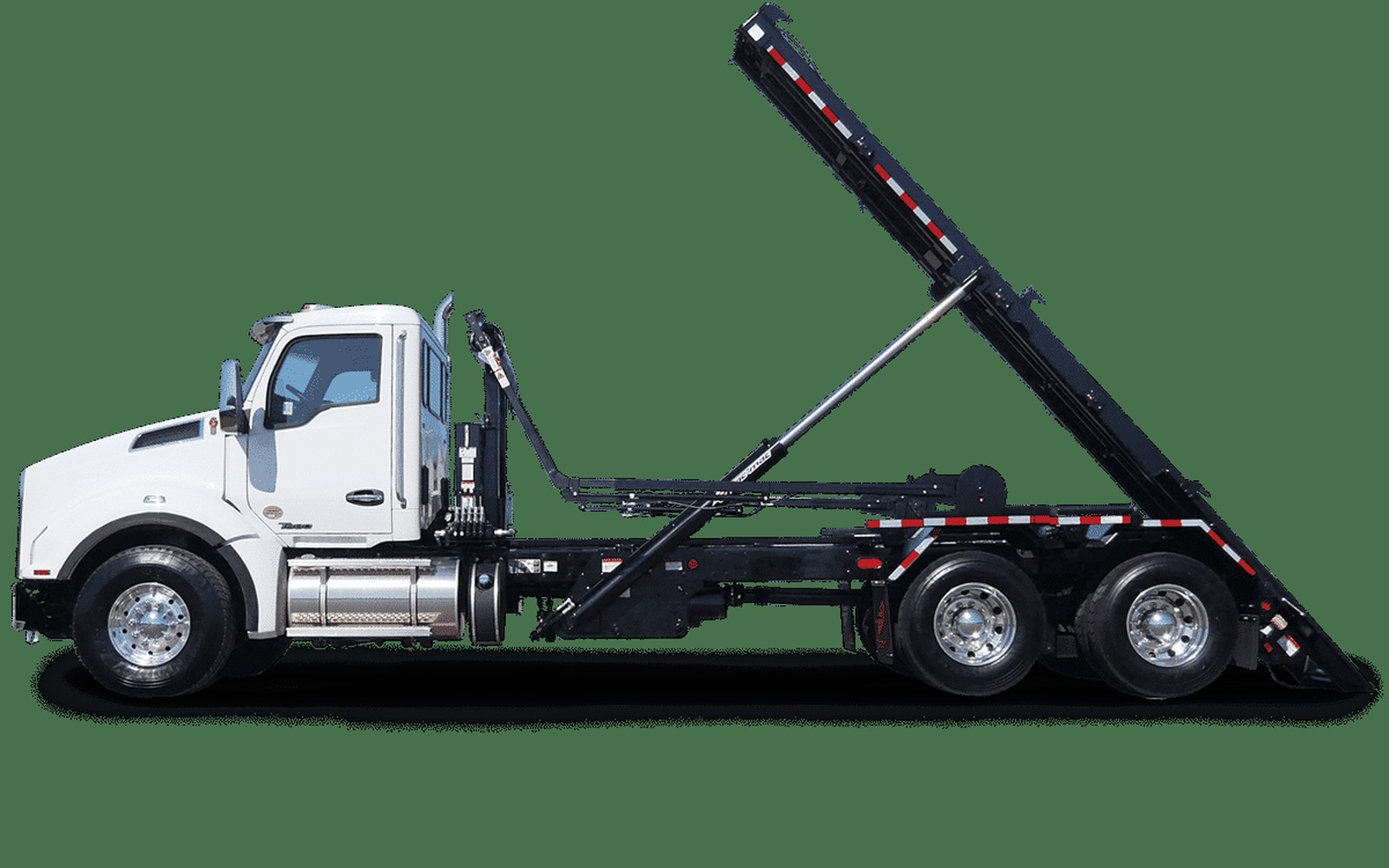
Transfer stations sit at the pressure point of the entire waste stream. Every ton that moves through your facility has to arrive, get staged, get processed, and leave on a schedule dictated by the disposal contract downstream. The trucks and trailers doing that work are not optional overhead. They are the facility's throughput, and financing them correctly keeps the whole chain running on time.
We work with transfer station operators who need to finance roll-off trucks for inbound material, waste transfer trailers for long-haul transport, compactor trucks for staging consolidation, and the full range of yard equipment that keeps a busy facility functional. Transactions start at $50,000, with a sweet spot landing between $100k and $150k and no ceiling on larger fleet or trailer packages.
How Transfer Station Contracts Shape Equipment Needs
Transfer stations operate under contracts with municipalities, solid waste authorities, or regional disposal networks. Those contracts specify throughput obligations, hours of operation, and often the types of incoming material the facility must accept. Meeting those obligations requires a fleet mix that is rarely static. A station that handles construction and demolition debris one week may take on additional residential tonnage when a competitor goes down, and the equipment has to flex accordingly.
Inbound volume is handled by a combination of roll-off trucks servicing drop-off customers and hooklift trucks that can swap bodies as material types change throughout the day. Outbound movement relies on heavy transfer trailers, most commonly walking-floor trailers and standard transfer bodies, pulling to landfills or processing facilities that may be 50 to 150 miles away. The economic math at a transfer station is unit cost per ton moved, and equipment downtime is a direct line item on that cost.
Leachate management is a separate but equally critical function. Facilities that accept putrescible waste generate leachate that must be collected and transported for treatment. A leachate tanker is not a nice-to-have at a high-volume transfer station. It is a compliance requirement, and financing one alongside the main fleet simplifies the transaction rather than treating it as an afterthought.
The Equipment Profile of a Transfer Station Fleet
A mid-size transfer station will typically operate a blend of five to twelve units at any given time. The exact mix depends on throughput volume, the types of contracts the station holds, and whether the operator also services inbound collection routes or strictly receives loads from third-party haulers.
Yard equipment deserves particular attention because it is often underfinanced relative to its contribution. Yard spotter trucks handle the constant movement of trailers and roll-off boxes around the facility. Without a reliable spotter, the entire outbound queue backs up. These units run hard, cycle constantly, and need to be replaced on a defined schedule just like the line trucks. We finance them as standalone assets or bundled with larger fleet transactions.
Roll-off operations tied to a transfer station face a slightly different calculus than a pure roll-off rental company. The station is often the delivery endpoint, so the inbound truck fleet needs to move a high volume of containers daily with short cycle times. Roll-off trucks configured for transfer station inbound work frequently run more cycles per shift than those on commercial routes, which accelerates wear on the hoist and the chassis.
- Waste transfer trailers (walking-floor and standard transfer body types)
- Roll-off trucks for inbound container movement
- Hooklift trucks for flexible material staging
- Compactor units for volume reduction prior to outbound loading
- Leachate tankers for regulatory compliance
- Yard spotter trucks for trailer and container positioning
How the Financing Process Works for Transfer Station Equipment
Transfer station operators submit an application and three months of business bank statements for transactions up to approximately $400,000. We do not require years of tax returns or a full financial package for mid-range equipment acquisitions, and we consider B and C credit profiles that institutional lenders typically decline.
Larger trailer and fleet packages that exceed the application-only threshold require more documentation, but the process remains straightforward: current financials, the equipment details, and a clear picture of the contract revenue supporting the acquisition. We can structure transactions as straight loans, equipment leases, or sale-leaseback arrangements for operators who want to free up capital tied to units already in the yard.
Funding typically closes in about one to two weeks from completed application. For operators replacing a unit that went down unexpectedly, that timeline matters considerably. A transfer station cannot defer outbound loads for three weeks while a bank credit committee schedules a review.
New Equipment, Used Units, and Refurbished Options
Transfer station operators frequently mix new and used equipment within the same fleet, and we finance both. A new walking-floor trailer represents a significant capital outlay, often well above $100,000, and financing it over five to seven years produces a monthly payment that aligns with the trailer's useful life in long-haul transfer service. Used trailers at half that cost carry shorter finance terms but still make sense for operators adding capacity without wanting the full price of a new unit.
Used roll-off trucks are particularly common in the transfer station environment. A well-maintained unit with 200,000 to 300,000 miles on the chassis and a rebuilt hoist can serve inbound container work effectively for several more years. We finance used roll-off trucks and evaluate the transaction based on the operator's contract position and cash flow rather than the unit's age alone. A B-credit operator with a solid municipal contract is a different risk profile than one without a service agreement, and we price accordingly.
Route Questions