A scrap yard's production is measured by the ton, and every ton that sits because a truck is down is a ton you paid to collect and haven't yet sold. The route runs regardless, so the grapple truck, the roll-off hauler, and the flatbed carrying shredded ferrous out to the mill all have to be ready when the day starts. That is the contract reality for scrap metal recyclers, and it is exactly the operating pressure our financing is designed for.
We work with scrap metal processors and secondary materials dealers of all sizes, from single-yard operators pulling ferrous off residential demolition sites to multi-location dealers moving non-ferrous metals into regional mills. Whether you are financing a grapple truck to process inbound material or adding roll-off trucks to serve new industrial accounts, we structure terms that fit the yard's cash flow, not a generic lender template.
The Equipment That Drives a Scrap Operation
Scrap metal recycling depends on a specific mix of rolling stock that banks and generic lenders often misclassify. Grapple trucks are the backbone of most full-service scrap operations. A knuckleboom or straight-boom grapple on a tandem chassis lets one driver sort, load, and transport ferrous and non-ferrous in a single visit to a demo site, a manufacturing plant, or an industrial customer. These units run $180,000 to $280,000 new and hold value well in established recycling markets.
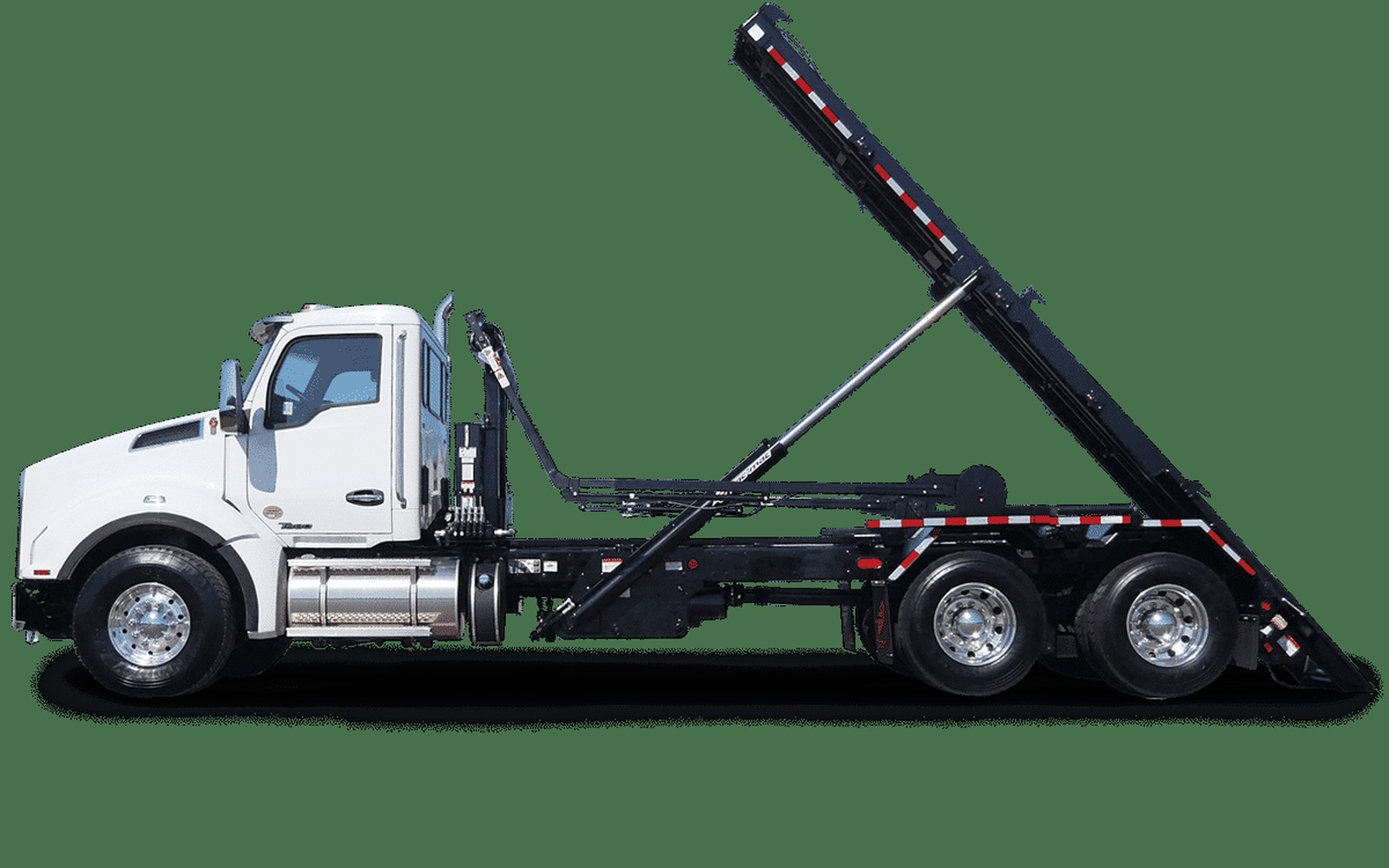
Roll-off service is equally important for scrap yards managing dumpster programs at manufacturing customers, auto body shops, or structural steel fabricators. A standard roll-off container set and the truck that pulls them represent substantial capital that lenders familiar with waste hauling handle confidently. We finance both the truck and the container fleet because the containers are productive collateral, not loose equipment.
Flatbed and transfer haulers for outbound material to mills or shredders are a third asset class that scrap yards finance regularly. These units may carry walking-floor or tipper bodies, and our team knows how to structure the collateral position on them. The key is matching loan term to the depreciation curve of the specific body type.
How the Financing Process Works for Scrap Yards
Our minimum transaction is $50,000. Most scrap yard truck purchases fall between $100,000 and $300,000, and we handle those on an application-only basis up to roughly $400,000, meaning we do not require full financial statements for the typical grapple truck or roll-off addition. Above that threshold we bring in bank statements (three months is standard) and review business cash flow.
Timeline runs about one to two weeks from signed application to funded deal. That is fast enough to act on a used unit that comes available through an auction or a dealer who is moving floor inventory. We finance new and used equipment with equal comfort, including units purchased at Ritchie Bros., IronPlanet, or private party. Credit history matters, but we work with B and C credit profiles that have been turned down by traditional banks.
Structure options include a standard equipment loan, a refuse truck lease with end-of-term purchase options, and a Sale-Leaseback on equipment the yard already owns free and clear. Sale-leaseback is especially useful for scrap operators who have built up a fleet over years and want to pull working capital out without selling the trucks.
What Scrap Metal Recyclers Face Right Now
Scrap metal prices are commodity-driven and cyclical, which affects how recyclers think about capital expenditure. During high-price periods, yards expand capacity fast and need trucks quickly to capitalize on inbound volume. During price contractions, operators look for ways to lower fixed costs, which makes refinancing existing fleet at lower payments a sensible move.
Ferrous scrap flows heavily through the Midwest and the Mid-Atlantic, where legacy manufacturing and demolition activity feed established dealer networks. Non-ferrous (copper, aluminum, brass) tends to run through secondary dealers closer to electronics recycling centers and industrial concentrations. Both markets rely on trucks that have to perform across a wide range of site conditions, from clean commercial pulls to tight urban demolition sites.
Environmental compliance and state-mandated manifesting for certain regulated scrap streams add operational cost and complexity. Equipment that reduces labor (grapple automation, onboard scales) commands a premium but also qualifies for financing like any other productive asset. We can finance the truck and the upfit body together as a single transaction, which simplifies the paperwork.
Who We Work With in Scrap Recycling
Our borrowers in the scrap sector range from owner-operators who run a single grapple on a long-term contract with a regional steel mill to multi-yard dealers processing 50,000 tons of ferrous annually. We do not have a revenue minimum that disqualifies the smaller independent yard, and we do not have a fleet-size ceiling that pushes large dealers to specialty lenders.
We also finance recycling businesses that are adjacent to refuse hauling but not identical to it. A recycling collection company running curbside programs is a different credit than a scrap metal dealer buying demolition loads, and we underwrite each on its own contract base, equipment, and cash flow. If your operation touches refuse-type equipment, we can likely help.
Operators in the construction and demolition debris hauling niche often overlap with scrap recyclers because demo loads frequently carry recyclable steel and copper. We work with those mixed-use operators as well, financing grapples and roll-offs that serve both debris removal and scrap recovery in the same week.
Route Questions