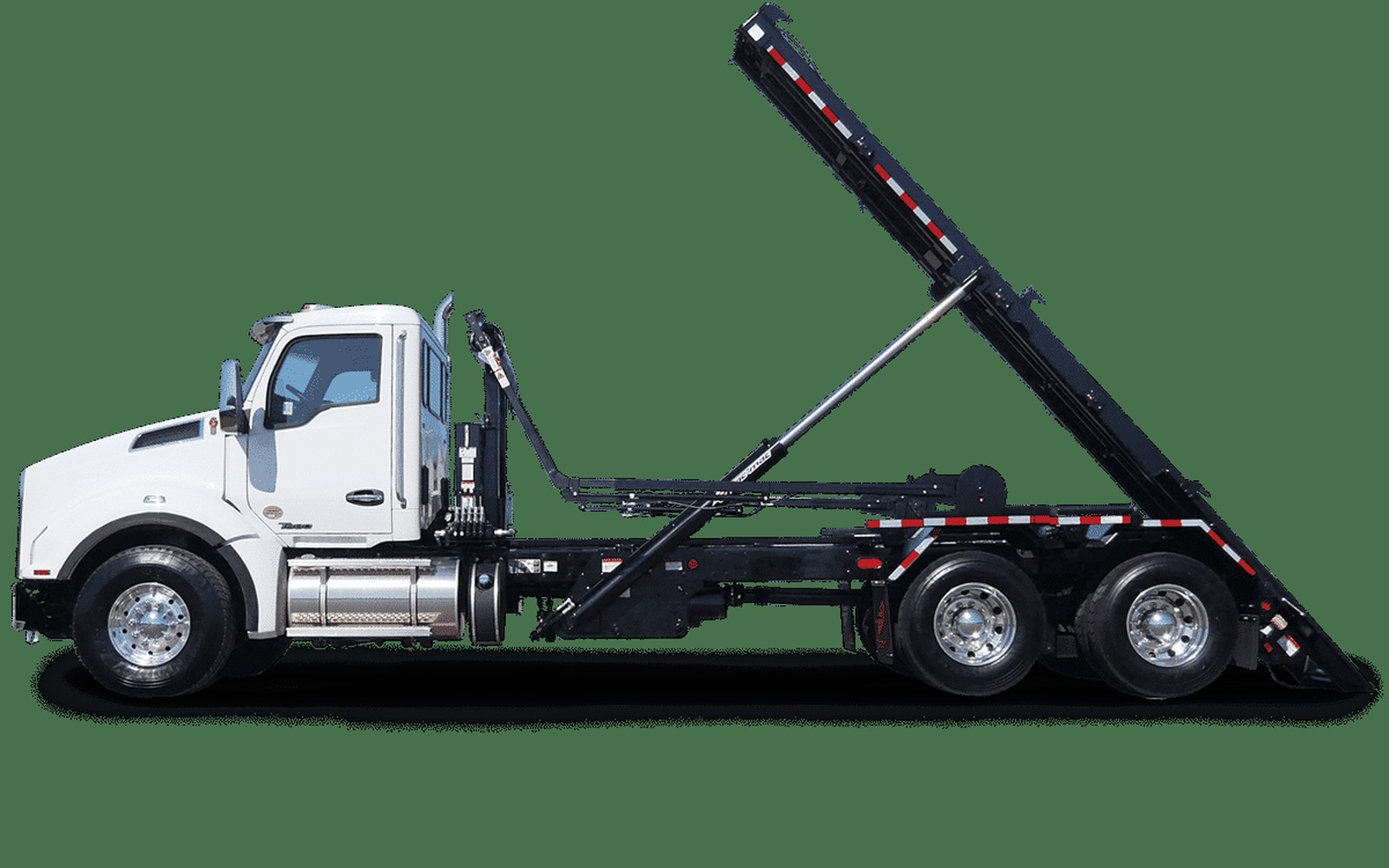
Bulk debris and brush removal is a different animal from container service. There is no box to drop and pick up, no standardized container cycle. A grapple truck drives the route, reaches out, picks up the pile, compresses it, moves on. The job rewards a truck that can work fast and independently, and the grapple arm is what makes that possible. We finance grapple trucks for operators in brush and bulk collection, storm cleanup, and demolition debris recovery who need the right tool on the route without waiting months to pay for it out of pocket.
Grapple trucks are particularly valuable after major storm events. Municipalities that experience hurricane or ice storm debris loading need bulk pickup capacity quickly, and private haulers with grapple trucks positioned ahead of the event win the emergency contracts. Operators along the Gulf Coast, Southeast, and other storm-prone corridors treat grapple truck capacity as contract infrastructure, not just equipment.
Our grapple truck financing starts at $50,000 and covers new and used units. Production-ready used grapple trucks sell in the $90,000-$160,000 range. New configurations with a purpose-built grapple body on a current-generation chassis run $220,000 to $320,000. Application-only approval runs to approximately $400,000. B and C credit borrowers are considered. Typical funding is one to two weeks from a completed application.
Grapple Truck Components and Configurations
A grapple truck combines a dump body with an articulating hydraulic arm that terminates in a grapple claw. The arm extends to reach debris piles curbside or on a lot, the claw grips the material, lifts it, and deposits it into the open dump body. Once the body is full, the truck dumps at a transfer station, compost facility, or landfill and returns to route.
Grapple arm reach and lift rating are the two key specifications. Arms with greater reach (some extend 20 to 30 feet from the truck centerline) can service debris from the truck without repositioning on narrow streets. Higher lift ratings handle heavier debris like logs, construction lumber, and concrete rubble rather than only brush and light yard waste. Operators whose accounts involve demolition cleanup or heavy brush removal should spec the arm accordingly rather than underbuying and having to pass on certain jobs.
The dump body size on a grapple truck directly affects route efficiency. Larger bodies mean fewer trips to the dump, but they also mean a heavier payload that may require a tandem-axle chassis rated for higher gross vehicle weight. Operators running grapple trucks on debris-intensive routes often favor tandem-axle configurations for the weight capacity, while lighter brush collection routes may work fine on a single-axle setup.
Grapple trucks share some market overlap with other specialty waste units. Where a grapple handles loose bulk debris, a roll-off truck handles containerized material. Many mature debris operations run both, using the grapple for curbside bulk collection and the roll-off for contractor accounts. Financing both as a fleet transaction is something we handle regularly.
Who Uses Grapple Trucks Professionally
The primary grapple truck buyers are private haulers holding municipal bulk debris and yard waste contracts. These contracts typically specify a grapple collection method and run on seasonal or year-round cycles depending on the municipality's ordinance schedule. Operators in Southeastern and Midwestern markets with active yard waste programs often hold multi-year contracts that justify new-unit investments.
Storm cleanup and FEMA debris mission operators are a second significant group. After a hurricane, ice storm, or tornado, affected municipalities issue emergency debris removal contracts. Operators who can mobilize quickly with grapple capacity win those missions, which can be the highest-revenue events of a hauler's year. We see grapple truck financing applications spike following major storm seasons in Texas, Florida, and the Carolinas.
Junk removal companies scaling beyond manual pickup also acquire grapple trucks when account density justifies the investment. A junk removal company that is consistently turning away large bulk jobs because it lacks the arm to load efficiently moves toward a grapple to capture that revenue. The truck expands the service envelope without adding crew beyond the driver.
Tree service companies and arborists that handle both the cutting and the debris haul sometimes add a grapple truck to close the revenue loop on their accounts. Financing through our program treats the truck as commercial equipment against the haul revenue, not as a tree-service asset.
Financing Terms and Structure
Grapple trucks finance like other commercial dump body configurations. The typical deal runs 36 to 72 months depending on the unit's age and the borrower's preference. Longer terms reduce the monthly payment but increase total interest cost. On a $130,000 used grapple truck, the difference between a 48- and a 60-month term is meaningful on a monthly cash flow basis, particularly for operators with seasonal revenue from storm cleanup missions.
Operators who want to preserve full tax benefit in the purchase year can structure the deal as a loan (which allows depreciation and potentially a Section 179 deduction) rather than a lease. Operators who prefer flexibility at term end may favor a TRAC lease, which is specifically designed for commercial vehicles and provides a predetermined residual buyout at the end of the lease period.
For established grapple truck operators who own a unit with equity and want to add a second truck, a Sale-Leaseback on the existing unit is often the fastest path to a down payment on the second purchase without disrupting cash flow from the primary route. Operators with past credit challenges can review our bad-credit truck financing program before assuming approval is out of reach.
Get Grapple Truck Financing Moving
Storm contracts do not wait for slow funding and neither should your grapple. Bring us the unit, the route, and the credit file. We structure the deal and get it funded so the arm is working before the season peaks.
Route Questions