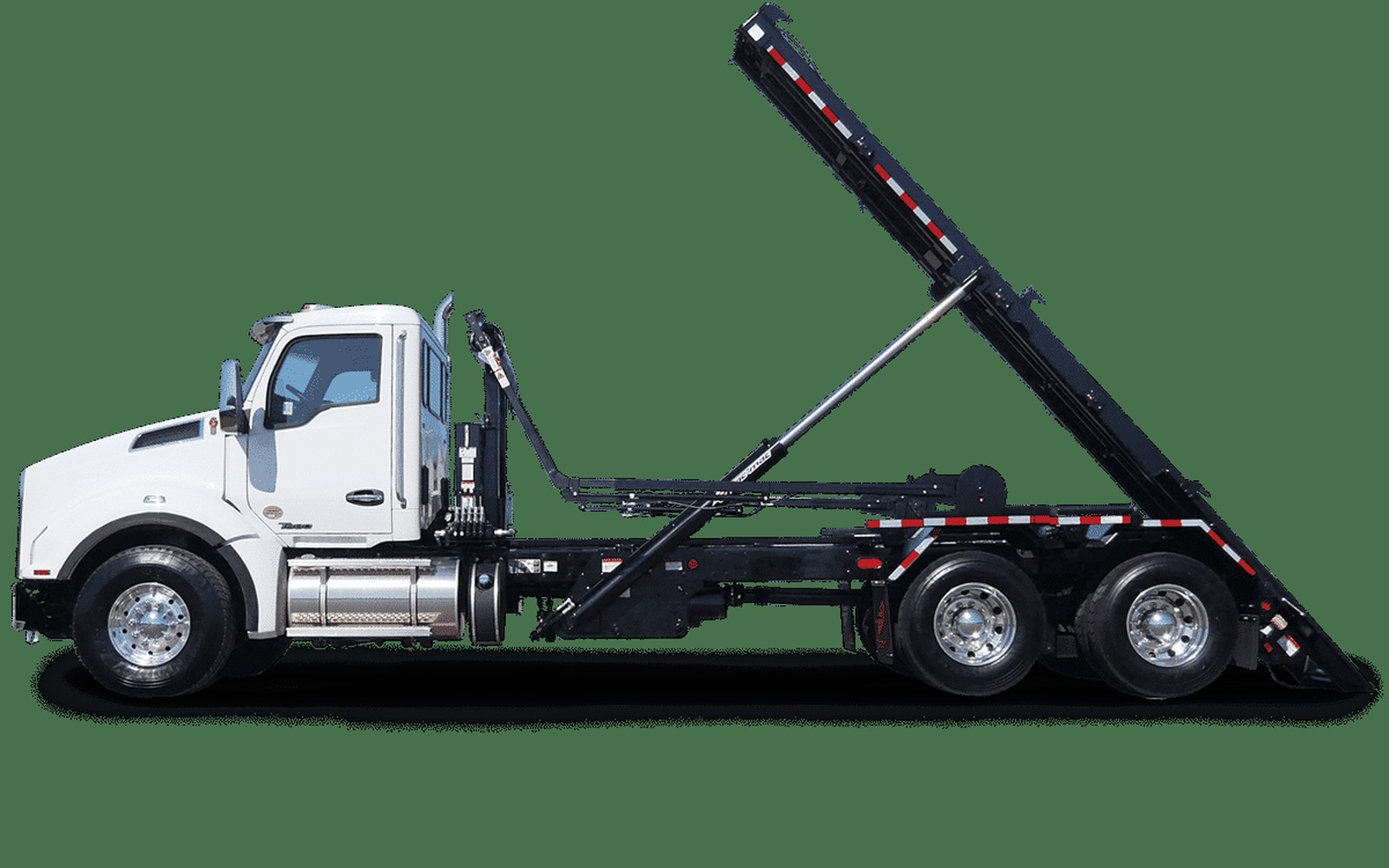
The route still needs to run every pickup day, and a low credit score or a past financial difficulty should not permanently block an operator from the equipment that keeps the contract. Bad-credit truck financing is the answer for haulers whose personal credit profile has taken a hit: a medical event, a divorce, a prior business that did not survive, or a period where bills fell behind. The equipment still has collateral value, the route still generates revenue, and the underwriter who focuses on those two things can find a path when a score-only review cannot.
B and C credit files are workable here across our private waste hauling customer base. A B credit is typically a score in the 580 to 650 range with some negative items but an overall picture of recovery and current stability. A C credit may be below 580 or carry significant negative history. Both can find a path to equipment financing, though the terms, down payment, and available programs differ between them.
What Lenders Actually Look At With B/C Credit
A lender evaluating a B or C credit application is not just reading the score. They are looking for the story behind it and evidence that current operations are stable. The strongest refuse-hauler files usually show recent route deposits across the last three operating months, a signed hauling contract or service agreement showing ongoing revenue, equipment with strong collateral value relative to the loan amount, and a larger down payment that reduces the lender's exposure.
Negative items that close more doors: recent bankruptcies (within the last 12 to 24 months), prior equipment loans that were charged off or repossessed, and a pattern of currently delinquent accounts. These are not automatic disqualifiers in every program, but they require more structure around the deal (higher down payment, shorter term, or additional collateral) to get to approval.
Documentation requirements for B/C applications typically run fuller than for A-credit deals. We generally need three months of business bank statements, a personal credit application, and often one to two years of personal tax returns. If the business is established, business tax returns or a profit and loss statement help. The goal is to demonstrate that current operations generate enough cash to service the payment regardless of what happened in the past.
Equipment That Helps a B/C Deal Get Approved
Collateral quality carries more weight in a challenged-credit deal than in an A-credit transaction. Equipment with strong market value and a long remaining useful life gives the lender security that reduces the risk the credit profile introduces. A newer, well-maintained rear-load garbage truck or a late-model roll-off truck in dealer inventory is easier to finance at B credit than an old, high-mileage unit where the collateral value is thin.
The loan-to-value ratio the lender is comfortable with on a B/C deal is lower than on an A-credit deal, which means the down payment requirement goes up. If a lender funds an A-credit deal at 90 percent of value, the same lender might fund the same truck at 70 to 80 percent for a B-credit profile, requiring 20 to 30 percent down instead of 10. That down payment requirement is the most common way B/C credit affects the transaction mechanically.
For operators who own trucks with equity, that equity can sometimes function as additional collateral. A Sale-Leaseback on an owned unit can generate the down payment cash for the new truck simultaneously while extracting equity the operator needed anyway.
Profiles That B/C Financing Typically Covers
Three operator profiles come through our B/C programs most often. The first is the established hauler who had a personal financial event unrelated to the business (medical debt, family emergency, or a prior business that failed) but whose current hauling operation is generating solid route income and bank statement deposits. The score tells an old story; the bank statements tell the current one.
The second is the newer operator who has not yet had time to build business credit and whose personal credit is limited rather than damaged. Limited credit is different from bad credit, but both can produce scores that trigger standard-program declines. Our new-business startup financing page covers limited-history situations specifically.
The third profile is the operator who went through a bankruptcy within the last few years and is in the process of rebuilding. Bankruptcy does not permanently end financing eligibility; enough time and consistent current account management can open doors. Programs exist for post-bankruptcy equipment finance, though they typically require two or more years since discharge and a clean post-discharge payment record.
Apply Even If Your Credit Is Not Perfect
We have seen most credit situations over the years and we know which lenders have appetite for each type. Tell us about the equipment you need, your current business situation, and the credit events that are creating friction. We will give you an honest read on what is available, what terms to expect, and whether the deal makes economic sense for the route you need to run. Operators adding a used garbage truck or funding their first packer truck are both good starting points for a B/C application.
Route Questions