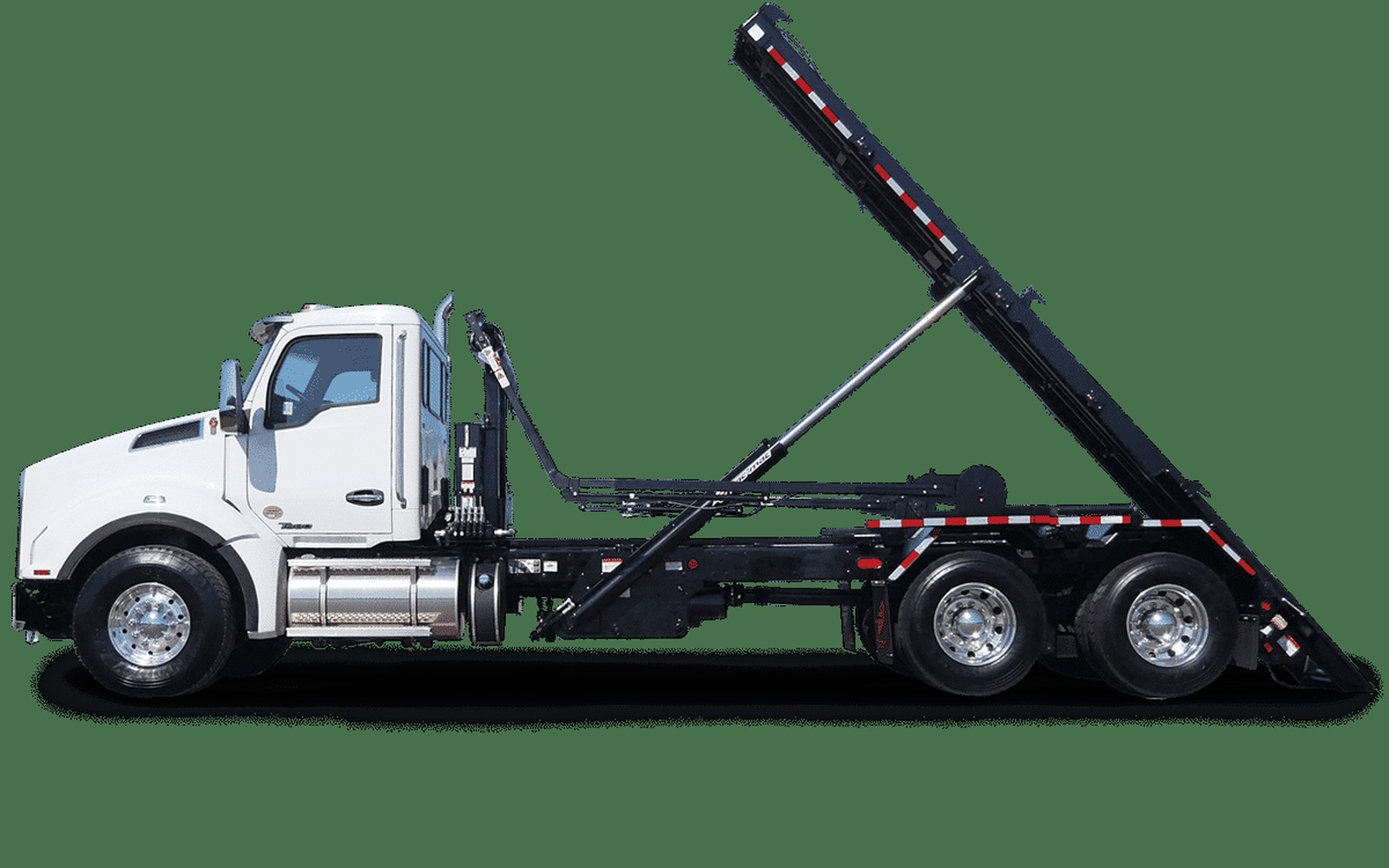
Every refuse contract demands that your trucks show up. The route doesn't pause because payments are steep and cash is thin between billing cycles. A TRAC lease, short for Terminal Rental Adjustment Clause, is a structure that keeps monthly obligations manageable during the contract term while preserving your flexibility on what happens to the truck at the end. We finance packer trucks, roll-off trucks, automated side loaders, and the rest of the working fleet under TRAC terms, and the structure suits operators who run hard schedules and need cash flow discipline over the life of a contract.
The defining feature of a TRAC lease is the residual. The lessor and the operator agree on a residual dollar value for the vehicle at lease end. Payments are calculated on the difference between the equipment cost and that residual, so lower agreed residuals produce lower monthly figures. At term end, the operator sells the truck, applies the proceeds against the residual, and keeps any surplus or covers any shortfall. That adjustment is the TRAC. If the market pays more than the residual, the operator profits from the spread. If it pays less, the operator owes the difference. Refuse trucks tend to hold value well, especially late-model packers with documented service histories, so the risk on the back end is usually manageable when the residual is set conservatively at origination.
How a TRAC Lease Structures the Deal
At closing, the lessor takes title to the truck and leases it back to the operator for a fixed term, typically 36 to 72 months for refuse equipment. The agreed residual is set as a percentage of the original equipment cost. Common residual ranges for heavy-duty refuse chassis run from 10 to 20 percent of the original purchase price, though this varies by lender, equipment type, and term length.
Monthly payments cover the financed spread plus financing costs. Because a portion of the truck's value is deferred to the residual, those payments are lower than a straight loan on the same equipment over the same term. That gap matters on routes where a single truck might represent a six-figure investment and the contract revenue arrives on net-30 or net-45 terms.
The operator uses the truck exactly as owned equipment throughout the lease. Maintenance obligations, insurance, registration, and operational decisions all stay with the operator. At term end, the truck goes to market, a dealer or auction establishes a price, and the TRAC settles. If the agreement allows a purchase option, the operator can also pay the residual outright and take title directly.
For operators running automated side loaders on residential municipal contracts or commercial front loaders on high-density business routes, the lower payment during the contract term frees working capital for driver wages, fuel, and maintenance reserves.
Terms, Residuals, and Payment Structure
TRAC leases on refuse trucks typically run 36, 48, or 60 months. Some lenders will extend to 72 months on newer, lower-mileage equipment. The residual percentage negotiated at origination is the primary lever on monthly payment size. A 15 percent residual on a $250,000 automated side loader defers $37,500 to term end, reducing the financed spread accordingly.
Rate structure depends on creditworthiness, equipment age, term length, and lender appetite for refuse-sector paper. Operators with established municipal contracts and documented revenue tend to see favorable pricing because the contract itself reduces revenue volatility risk. Newer operators or those using used equipment may see tighter residual offers or shorter terms.
- Minimum deal size: $50,000 and up, with a sweet spot in the $100,000 to $250,000+ range for full truck packages
- Application-only approval available up to approximately $400,000 for qualified operators
- Three months of business bank statements typically required for larger requests
- New and used equipment both eligible; residual for used equipment is generally set lower
- Funding in approximately one to two weeks on complete applications
Operators considering a standard refuse truck lease should compare the residual terms carefully. A TRAC lease places residual risk with the operator but also gives the operator the benefit if the truck brings more at term end than the agreed figure.
Who Benefits Most from a TRAC Lease
Private haulers holding multi-year municipal or commercial service contracts are well-suited for TRAC terms. The contract provides predictable revenue across the lease term, and the lower monthly payment keeps the margin intact while the truck earns on the route.
Operators expanding into new service territories are another strong fit. Adding a truck to cover a new contract without stressing the existing cash position is exactly the scenario where deferred residuals do useful work. The truck goes on the route, earns against the new contract, and the residual settles at term end when the truck either gets replaced or the business decides to purchase it outright.
Operators running commercial waste collection routes or servicing roll-off dumpster rental companies often have capital tied up in containers, transfer equipment, and operating reserves. A TRAC lease on the truck itself keeps that capital available rather than converting it to a down payment.
TRAC leases are less suited to operators who want to own the equipment outright at the end of the term with zero residual obligation. For that outcome, a dollar buyout lease or a standard loan matches better because the operator walks away holding clear title without a residual adjustment to manage.
Comparing TRAC to Other Lease Structures
Three lease structures come up regularly in refuse truck financing, and the differences are real enough to affect the right choice for each operator.
A fair market value lease keeps residual risk entirely with the lessor. At term end, the operator can walk away, renew, or buy at fair market value. Payments are typically lower than a TRAC because the lender absorbs the residual position. The tradeoff is that the operator gives up any upside if the truck is worth more than expected.
A dollar buyout lease sets the end-of-term purchase option at one dollar. This produces the highest monthly payment because the entire cost is financed over the term, but it is functionally equivalent to a loan in that ownership transfers cleanly and completely at term end. No residual, no market adjustment.
A TRAC sits between those two. The operator shares residual exposure with the market, gets a lower payment than the dollar buyout, and retains the ability to profit if the truck holds value. For fleets running late-model equipment with consistent maintenance histories, the TRAC residual rarely produces a loss at term end.
Some operators also consider a Sale-Leaseback when existing trucks carry equity. Selling the iron to a lessor and leasing it back converts that equity to operating capital while keeping the truck on the route under TRAC or FMV terms.
Get TRAC Lease Quotes on Your Refuse Trucks
Tell us the equipment, the deal size, and the term you have in mind. We work with lenders who understand refuse routes and contract revenue, and we can turn a complete application into funded equipment in about one to two weeks. Reach out and we will put numbers together for your specific situation.
Route Questions