Birmingham's collection market includes city sanitation routes, Jefferson County suburban contract work, and a meaningful roll-off segment tied to the metro's construction and industrial activity. Private operators here serve everything from the dense residential neighborhoods of Hoover and Vestavia Hills to the commercial accounts along the U.S. Steel Corridor and the medical district centered on UAB. The contract obligations run on a fixed schedule, and the equipment has to keep pace.
We finance refuse trucks and roll-off rigs for Birmingham-area operators. New units, used equipment from dealers or private fleets, refinancing existing truck debt, and sale-leasebacks on clear-titled machines. Our minimum is $50,000, most route operators finance landing between $100k and $150k, and we handle fleet-level transactions above that. B and C credit considered. Application-only financing available up to about $400,000 with three months of bank statements. Typical timeline from application to funding is one to two weeks.
Alabama's southeast climate is relatively mild on equipment compared to northern markets, but Birmingham operators still deal with the usual hydraulic wear, packer maintenance cycles, and chassis fatigue that comes with daily route work. Keeping equipment current and reliable is a routine capital decision, not a crisis, and having a financing relationship in place makes those decisions cleaner.
Birmingham's Waste Collection Landscape
Jefferson County is Alabama's most populous county, and the suburban ring around Birmingham generates substantial residential and commercial waste that private operators collect under municipal subcontracts and direct commercial accounts. Hoover, Vestavia Hills, Homewood, and Mountain Brook collectively represent dense, high-income residential routes that run on predictable weekly schedules. Further out, communities like Trussville, Gardendale, and Fultondale add to the suburban collection demand.
The Birmingham metro also has a meaningful industrial presence. The legacy steel industry has given way to a more diversified manufacturing base, but the Corridor still hosts foundries, pipe manufacturers, and metal processing operations that generate industrial waste requiring specialized collection. The University of Alabama at Birmingham medical complex is one of the largest employers in the state and generates commercial and medical waste streams that need contracted service.
For roll-off operators, the ongoing construction in the Southside and Lakeview neighborhoods, combined with the industrial demolition and site preparation work across the county, creates steady demand. Construction and demolition debris haulers in the Birmingham market compete for short-term project work and longer-term site service agreements. Having a roll-off truck available on short notice is often the difference between landing that call and referring it to a competitor.
Equipment That Qualifies
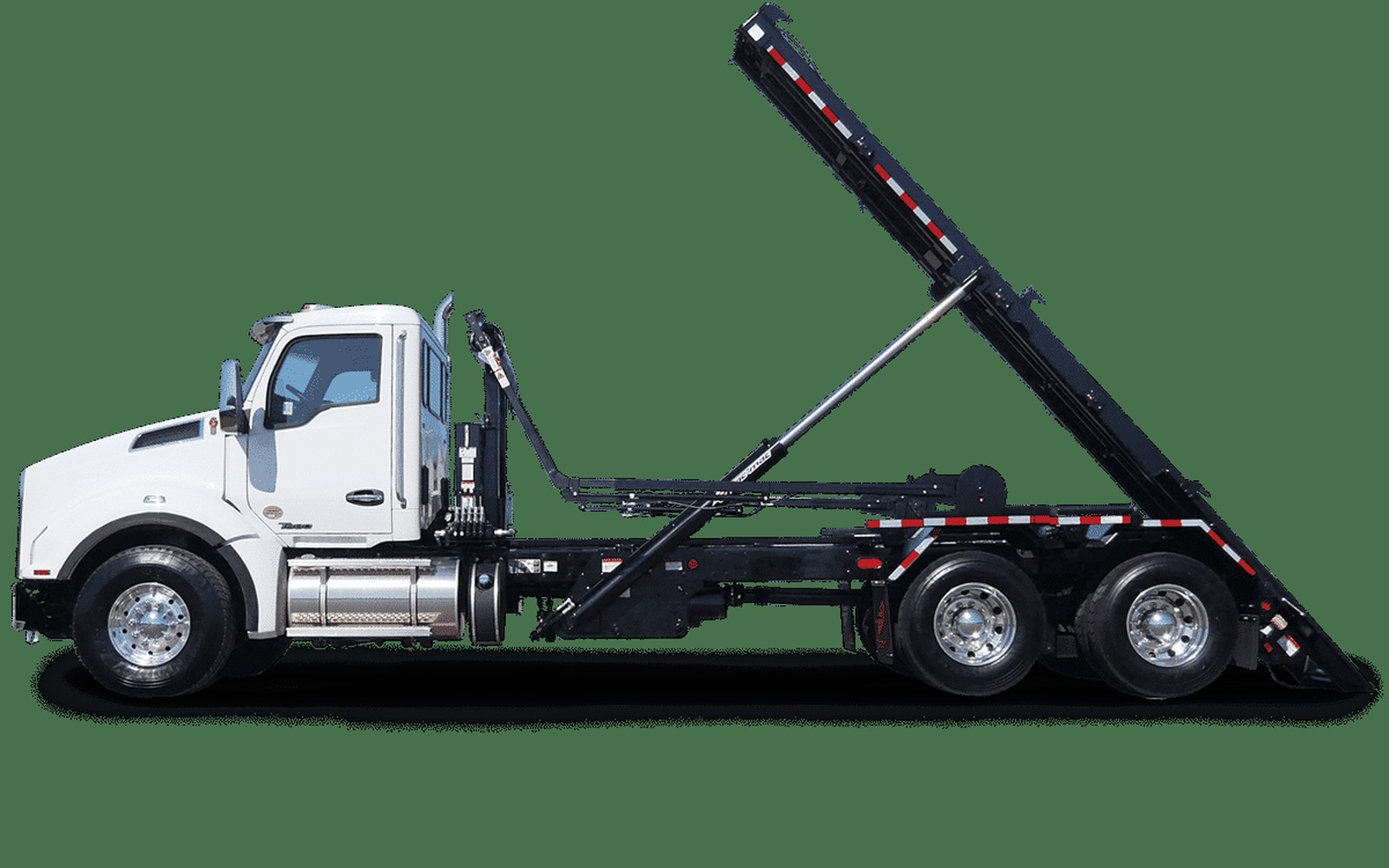
We finance the full range of refuse collection equipment active in the Birmingham market. Front-load packers serving commercial dumpster routes, rear-load units running residential neighborhoods, automated side-loaders for single-family collection, and roll-off trucks handling container delivery and pickup all qualify. Body-and-chassis combinations from major manufacturers, including Heil, McNeilus, New Way, and Labrie bodies on Mack, Peterbilt, and Autocar chassis, are all standard for our lenders.
On the roll-off side, we finance truck-and-hoist combinations as well as standalone container additions. A roll-off hoist upgrade on an existing chassis can qualify as a separate transaction if the equipment cost meets the minimum. Containers themselves may qualify as part of a larger transaction covering the truck and the initial inventory together.
Used equipment qualifies when it has demonstrable remaining service life. A used packer in the three-to-five-year range with solid hydraulics and good packer documentation is a standard transaction. Older equipment with high mileage and maintenance concerns may require a higher down payment or a shorter term to offset the lender's collateral risk. We evaluate each piece on what it is, not on a blanket age cutoff.
How Terms Are Structured
Financing terms on refuse equipment run on a few key variables: the equipment cost, the loan-to-value, the credit profile, and the equipment's useful life. New trucks typically qualify for terms up to 60 or 72 months. Used equipment qualifies for terms that match remaining service life. A four-year-old packer with a solid maintenance history might qualify for 48 months; older equipment typically runs on shorter terms with higher payments.
Rate depends on credit and market conditions at the time of application. We do not publish rates because they change and because every credit profile is different. What we can tell you is that operators with strong route revenue and documented bank deposits, even with average credit, typically get workable rates because the revenue attached to the equipment is visible and predictable.
Structure options include a refuse truck loan, a refuse truck lease with end-of-term purchase options, or a TRAC lease for operators who want a lower monthly with a balloon at the end. Each structure has tax implications, and we outline those upfront so you can make an informed choice.
Route Questions