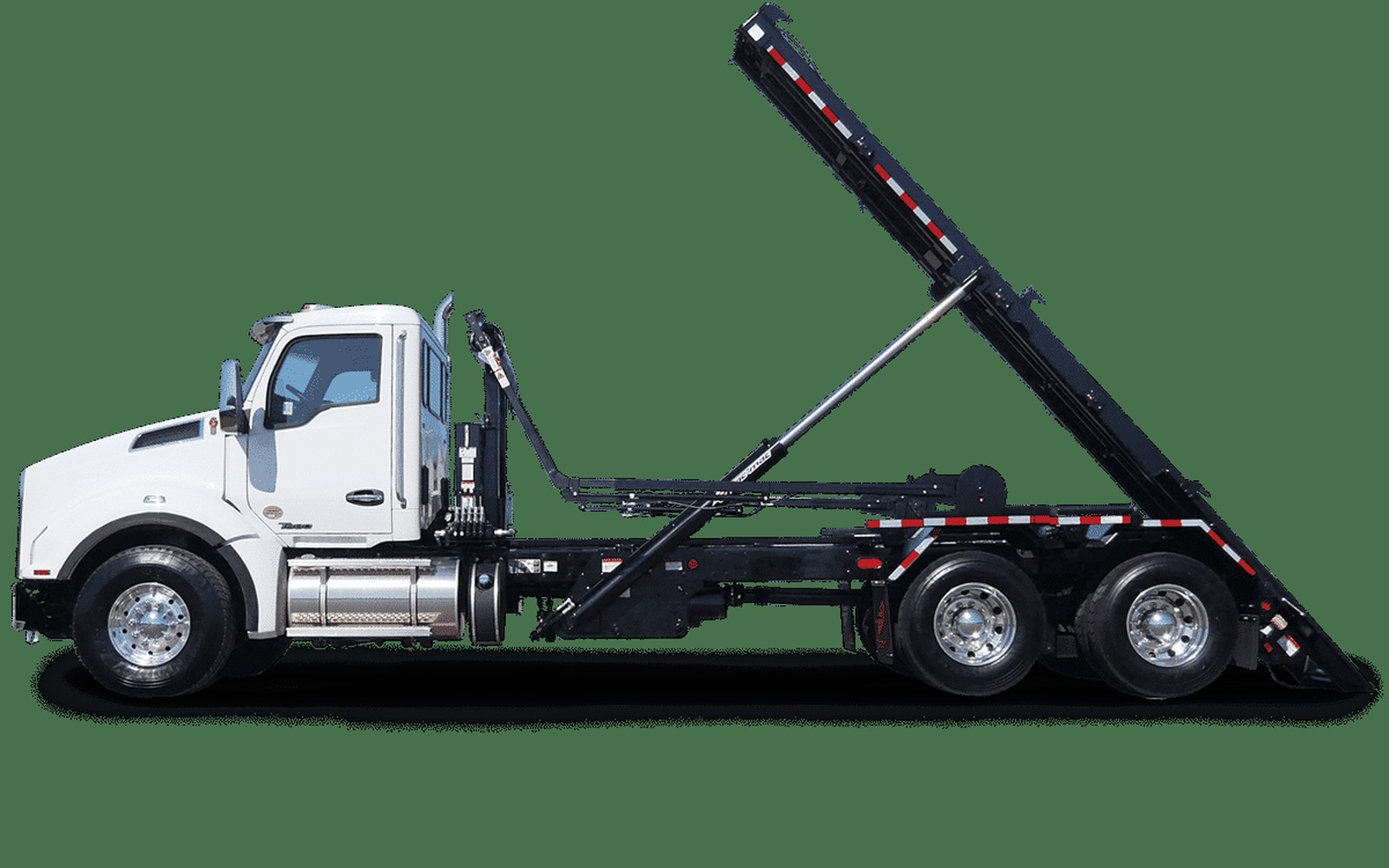
Charleston's growth rate has reshaped the waste collection market here over the past decade. The suburbs extending into Berkeley and Dorchester counties, the logistics and manufacturing corridor along I-26, and the continued buildout of commercial and residential real estate across the Lowcountry all create collection demand that runs ahead of what public sanitation infrastructure can handle alone. Private operators have stepped in to fill that gap, and the routes they run now are substantial.
We finance refuse trucks and roll-off equipment for Charleston-area operators. New units, used packers and roll-off rigs, refinancing, and sale-leasebacks on equipment with clear titles. Minimum $50,000 per transaction, typical deals in the $100,000 to $150,000 per unit range, and we handle larger fleet additions above that. B and C credit considered. Application-only financing available up to about $400,000 on three months of bank statements. Funding typically in one to two weeks.
The Port of Charleston is one of the fastest-growing container ports on the East Coast, and the warehousing and distribution facilities that cluster around its operations generate steady industrial and commercial waste. The historic peninsula has its own collection dynamics, with tourism and hospitality generating high-density commercial tonnage in a geographically constrained area. Operators who serve both the port corridor and the peninsula run very different equipment for very different collection patterns.
Charleston's Expanding Waste Market
Charleston County, Berkeley County, and Dorchester County together form the Lowcountry metro, and all three have seen consistent population growth that translates directly to residential collection volume. Communities like Summerville, Goose Creek, Hanahan, and Mount Pleasant have added tens of thousands of new households over the past decade, each one adding to the route tonnage that private haulers collect under county and municipal contracts.
The development activity associated with that growth, including residential subdivision construction, commercial buildout, and the industrial sites coming online along I-26, generates substantial roll-off demand. Construction and demolition debris haulers in the Charleston market compete actively for jobsite roll-off contracts, where availability and reliable container service determine which operator keeps the account. Having the right roll-off truck available on the day a GC calls is often the deciding factor.
The booming hospitality sector in downtown Charleston and on Isle of Palms and Sullivan's Island generates commercial front-load volume from restaurants, hotels, and event venues. That volume is dense and time-sensitive, and the operators running those routes need equipment that does not leave a restaurant without a collected dumpster on a busy weekend.
Operators We Work With
The Charleston clients we see most often are private haulers who have secured a county or municipal subcontract and need to add a truck to service it, roll-off operators expanding container inventory and truck capacity to serve construction accounts, and owner-operators who have been running a route on a rented or borrowed truck and are ready to own their own equipment.
Private waste haulers in the Lowcountry often grow by picking up additional county service areas as communities expand. Each new area means another truck, and financing that can move in step with the contract award rather than months after is what makes that growth practical. We have structured financing for operators who received a contract award and needed equipment ready within thirty days.
Roll-off dumpster operators serving the construction corridor from North Charleston up through Summerville are another strong segment. Roll-off dumpster rental companies here compete on truck and container availability. A second roll-off truck doubles the pulls you can make in a day and expands the territory you can realistically serve. We finance that second truck on the same application criteria as the first.
Application to Funding Timeline
The process is designed to fit an operator's schedule, not a bank's committee calendar. Application goes in, we review it with available equipment finance programs, and a decision comes back in days. For most deals, the only documentation needed is the application and three months of business bank statements. Application-only financing up to about $400,000 avoids the financial statement and tax return requirements that slow conventional bank processes.
Once approved, we present the full term summary before any signatures. Payment amount, term, rate structure, and any end-of-term provisions are all disclosed upfront. You know the full cost before you commit. Funding after signature typically takes a few more days, putting the total timeline at one to two weeks from first application to truck available for the route.
Operators who need to close fast because they have a contract start date approaching often find that our process is the only realistic option when the contract was awarded on short notice. We do not extend the timeline unnecessarily, and we flag problems early if the credit profile needs additional support. We also serve operators in Columbia and Greenville with the same process and timelines.
Route Questions