Chicago's waste routes run through some of the most demanding winter conditions in any major American city. Bitter cold snaps hydraulic systems, strains packer mechanisms, and turns ordinary maintenance into urgent repairs. Operators serving the city and Cook County know that equipment reliability through November to March is the difference between holding a contract and losing it. The financing behind that equipment needs to be just as reliable, which is why we keep the process straightforward and the timeline short.
The Chicago metro is a substantial waste market. The City of Chicago handles residential collection through its own fleet, while the private sector serves commercial accounts, construction and demolition hauling, and suburban municipal contracts throughout the collar counties. Private haulers competing for commercial accounts in Chicago's Loop, on the North Side, and across the suburban ring need equipment that can be deployed quickly and maintained cost-effectively over multi-year contracts.
We finance refuse trucks for Chicago operators from $50,000 up through multi-truck fleet additions. Application-only up to roughly $400,000. Standard structures include refuse truck loans, lease options, and refinancing. Funding in one to two weeks.
Chicago's Waste Industry: Private Haulers and Suburban Markets
Cook County and the collar counties (DuPage, Lake, Will, Kane, McHenry) represent a large secondary market for private operators. Suburban municipalities contract out residential and commercial collection to private haulers, and those contracts are the backbone of many independent operations in the region. An operator holding a multi-year municipal contract in a collar county suburb has a revenue stream that supports equipment financing directly.
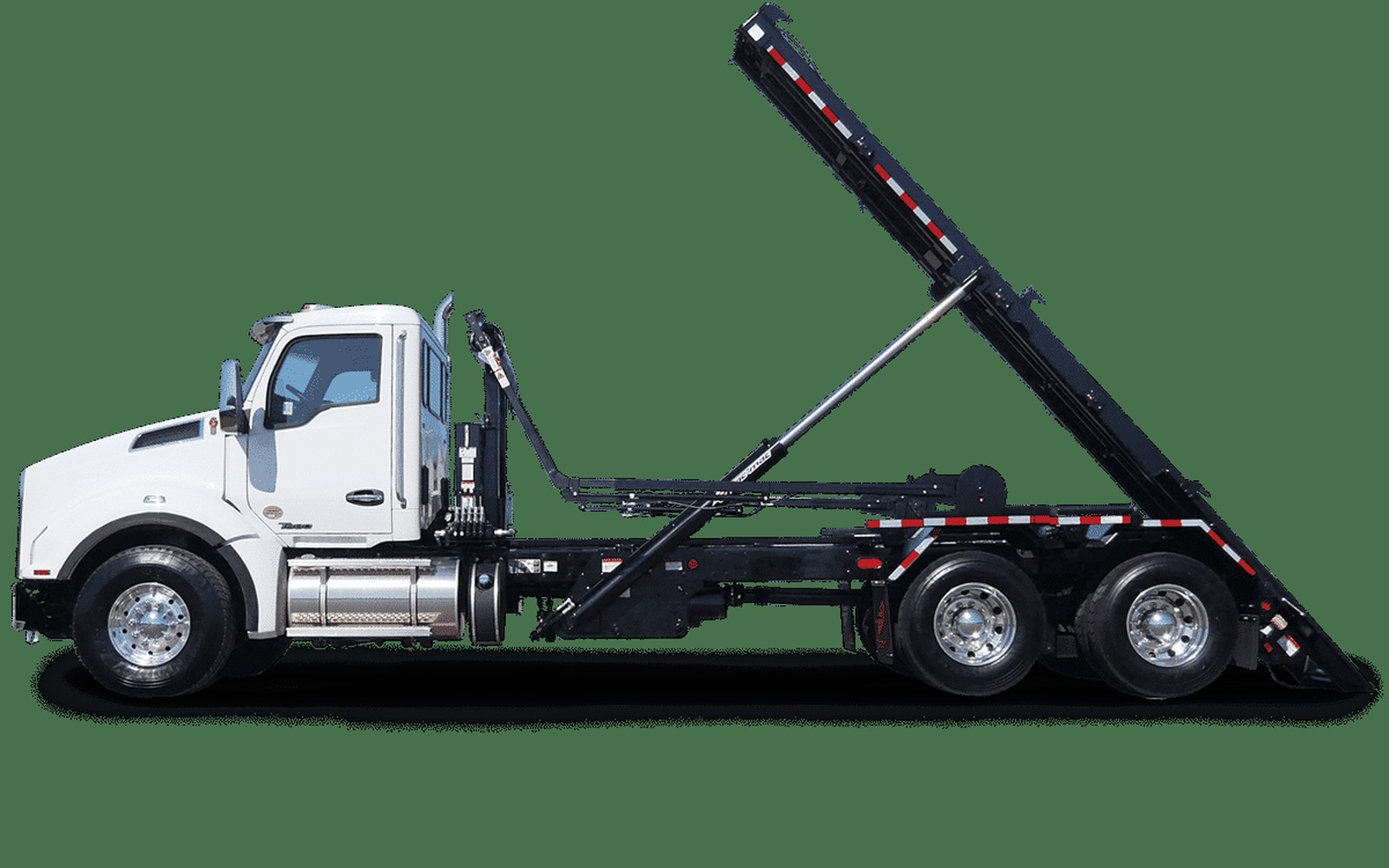
Construction activity in Chicago is persistent. The ongoing development of the Near North Side, expansion along the Riverwalk corridor, Fulton Market development, and the constant cycle of infrastructure work across the metro generate steady C&D debris volumes. Construction and demolition debris haulers serving Chicago need roll-off trucks that can keep up with aggressive site schedules. A roll-off truck sidelined for a week during an active pour cycle is a real cost to the business.
Recycling collection is another significant segment. Illinois requires commercial establishments to have recycling programs, and operators holding commercial recycling contracts in the metro area need trucks configured for that work. Recycling collection companies expanding their Chicago-area footprint often need truck additions timed to contract wins.
What Types of Equipment and Operators Qualify
We finance new and used refuse trucks across all body types common in the Chicago market. Rear loaders, front loaders, automated side loaders, roll-off trucks, and specialty equipment like grapple trucks used in bulky waste collection all qualify. The minimum is $50,000, and most single-truck deals fall between $100,000 and $250,000 or higher depending on spec and age.
Operators at all stages are welcome. An established hauler with a 10-truck fleet looking to add capacity is a straightforward file. A startup operator entering the suburban contract market with their first truck is a case we also review. For newer businesses, bank statements and any contract documentation carry the most weight. B/C credit is considered; the underwriting looks at the business's cash flow and stability, not just the credit score in isolation.
Application-only financing up to roughly $400,000 keeps the paperwork manageable. Above that level, three months of business bank statements completes the picture. We don't require years of tax returns or extensive financial statements for standard deals.
Refinancing and Sale-Leaseback for Chicago Operators
Operators who've been in business for a few years often have trucks they've paid down or own free and clear. That equity is working capital that can be put to use. A garbage truck refinance places a new loan against a truck with existing equity, returning cash that can fund another truck purchase, cover maintenance reserves, or support a bid bond on an upcoming contract.
A sale-leaseback converts equipment you own outright into immediate cash while keeping the truck in your fleet under a lease. For an operator managing cash flow through a contract transition period or a slow payment cycle from a municipal client, that liquidity can be the difference between a smooth quarter and a stressed one.
Both options are available here, and both work within the same one-to-two-week timeline. The key is that the truck has to appraise at a value that supports the loan amount. We're straightforward about what works and what doesn't before you invest time in the process.
Get Your Chicago Refuse Fleet Financed
The route runs whether the financing is in place or not, but with financing done right, the truck running that route is yours. Reach out and let's work through the deal.
Route Questions