Indianapolis sits at the crossroads of the Midwest's two major interstate systems, I-65 and I-70, and that geographic fact has made the metro one of the country's most significant logistics and distribution hubs. The warehouse and distribution density along those corridors generates substantial commercial waste that private haulers compete for alongside the residential and municipal collection business that covers the metro's expanding suburban footprint. Operators here have a dual opportunity: predictable residential routes in communities like Fishers, Carmel, Noblesville, and Greenwood, alongside the commercial accounts that the logistics economy produces at scale.
We finance refuse trucks for operators across Indianapolis and central Indiana. Minimum is $50,000 and the core deal range is $100,000 to $150,000 and above. New equipment and used equipment are both eligible. B and C credit is considered. Funding typically takes one to two weeks from a completed application. Private waste haulers at every stage qualify, from first-truck startups to established companies adding fleet capacity.
Indianapolis Route Demand and Commercial Waste
The logistics and warehousing sector concentrated along I-465 and in the Mount Comfort and Plainfield corridors generates ongoing commercial waste from facilities that run around the clock. Commercial waste collection operators with front loaders and roll-off capacity are serving those accounts regularly. The commodity mix of this waste stream, often packaging materials, shipping supplies, and returned goods, keeps it within the standard commercial hauler's capability set.
Indianapolis also has a substantial food and beverage processing presence. The city hosts significant operations in meat processing, snack food production, and pharmaceutical manufacturing. Each of those sectors generates waste streams that often support dedicated collection contracts separate from general commercial service. Operators who specialize in those accounts run consistent volume with reliable counterparties.
Residential growth in Hamilton County to the north and Johnson County to the south of the city continues to add route density. Carmel, Fishers, and Westfield are among the fastest-growing communities in Indiana by population, and that growth is adding new residential contracts to the market at a steady pace. Private haulers who move fast enough to win those contracts before the larger regional operators lock them up are building durable route books.
Equipment Running Indianapolis Routes
Front loaders serve the commercial dumpster routes that anchor a lot of Indianapolis-area revenue. The commercial front loader is the workhorse for restaurant, retail, and office collection. Used front loaders in good condition are available in the Indiana market at prices that work for both startup and expansion operators.
Residential routes in the suburban growth areas are increasingly being served by automated side loaders matched to standardized cart systems. Communities that standardize on cart collection see significant efficiency gains compared to manual rear-load routes. An automated side loader on a well-maintained chassis with a reliable hydraulic arm is a productive asset that pays for itself through reduced labor cost over the life of a residential contract.
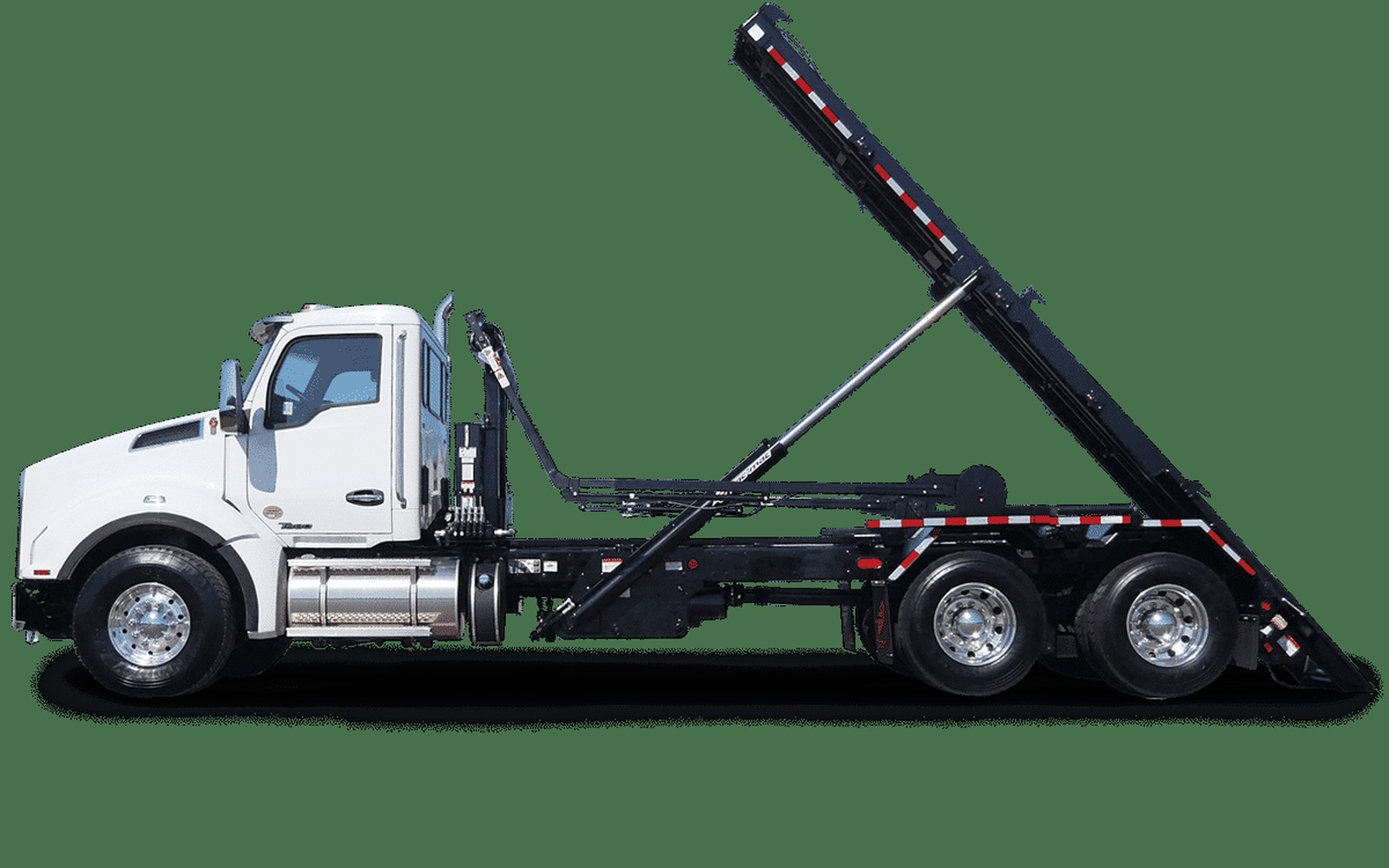
Roll-off service has grown alongside the construction activity in the northern suburbs and in the urban core where multifamily development has been active. Operators running roll-off trucks into active job sites in the North Meridian and Broad Ripple corridors have consistent container swap work alongside their dumpster service accounts.
How Financing Works for Indiana Operators
The application process starts with the basics: who you are, what truck you are buying, how long you have been in business, and three months of bank statements. For amounts up to approximately $400,000, application-only financing is the norm. Tax returns are not always required at that level. Underwriters who specialize in vocational truck financing review the file and issue a decision, typically within a few business days of receiving a complete package.
You choose the structure. A refuse truck loan puts the title in your name at funding, gives you the depreciation, and makes sense for operators who plan to hold the truck for several years. A refuse truck lease lowers the monthly payment and gives you options at the end of term, which suits operators who prefer flexibility for equipment upgrades or who are in a period where capital preservation matters more than ownership.
For existing equipment with equity, a cash-out refinance can produce working capital without taking the truck out of service. The existing note gets restructured and the equity comes to you as cash. That structure works well for operators who need to fund a deposit on a new contract or bridge a receivables gap during a growth phase.
Credit and Documentation for Indianapolis Applications
B and C credit is considered. An operator who has been running routes for 18 months with solid bank statement deposits and an active contract is a strong candidate regardless of where the score sits. We look at the full picture: time in business, revenue consistency, contract documentation, and the deal structure itself.
Operators with no prior commercial credit history, including those starting a first truck on a first residential contract, may qualify through our startup financing program. The terms will reflect the additional risk, and the deal structure may require a larger down payment, but the program is real and we use it for Indiana operators who are just starting out.
For established operators who have been through a hard credit period, bringing documentation of the cause (a lost contract, an industry downturn, a medical event) alongside evidence of recovery helps frame the application accurately. A lender who understands the waste industry understands that credit history sometimes reflects business cycles rather than character.
Route Questions