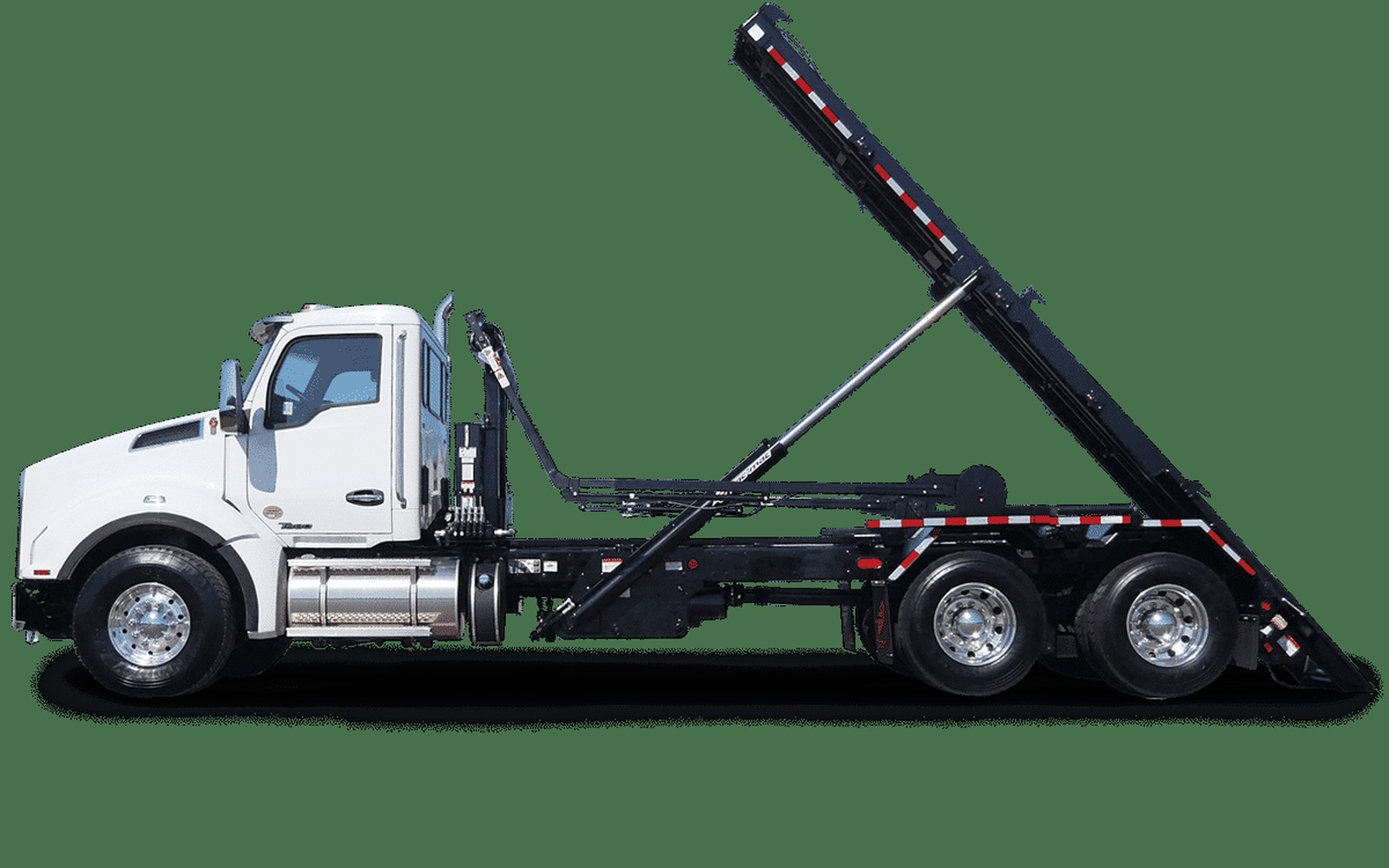
Kansas City straddles two states, but the routes run the same way on both sides: every collection day the truck has to go out, the containers have to be emptied, and the tonnage has to move. Private haulers here hold contracts covering dense residential neighborhoods in the Missouri core, commercial accounts along the Kansas side's industrial parks in Lenexa and Olathe, and roll-off work tied to the construction and demolition activity that keeps pace with the metro's steady growth.
We finance refuse trucks and collection equipment for Kansas City operators on both sides of the state line. New equipment, used trucks from private sellers or dealers, refinancing existing debt, and sale-leasebacks on trucks with clear titles. Our minimum is $50,000, the typical deal falls landing between $100k and $150k, and we go higher for fleet additions. Application-only up to about $400,000. B and C credit considered. Three months of bank statements gets us started.
The metro's growth in Johnson County, the Northland, and Lee's Summit creates real demand for roll-off capacity that private operators are well-positioned to capture. The operators who can get equipment on the ground fast tend to land those accounts. Financing that closes in one to two weeks instead of six is part of how that happens.
Kansas City's Waste Market
Kansas City's waste market is shaped by a combination of municipal collection in the core and a substantial private hauling sector in the fast-growing suburbs. Johnson County, Kansas, is one of the most consistently growing suburban counties in the Midwest, and that growth generates both residential collection routes and construction debris. On the Missouri side, Jackson County and the Clay County suburbs add significant volume.
The city's role as a rail and logistics hub means there is industrial waste generation tied to warehousing and distribution operations that spread across the metro. The West Bottoms and the intermodal corridors generate commercial accounts that call for reliable front-load service. Operators running front-load garbage trucks on commercial routes need equipment that can handle daily cycles without reliability problems.
Roll-off demand in this market follows construction activity, which has been consistent in Kansas City's urban core and suburban ring. Operators with roll-off trucks and a good container inventory are positioned to serve the construction and demolition work that the metro consistently generates. Construction and demolition debris haulers here compete on availability, and having an extra truck financed and ready to run can be the difference between landing an account and losing it.
Credit and What We Need
Kansas City operators come to us across a range of credit situations. Strong credit, average credit, credit that took a hit during a slow quarter, and credit that is still building on a newer business. We work with lenders who specialize in refuse equipment and understand that waste collection cash flows do not always match what a conventional bank's scoring model expects.
For most applications up to approximately $400,000, we need the credit application and three months of bank statements. That is it. Larger deals or more complex credit profiles may require additional documentation, but we tell you upfront what is needed rather than going back repeatedly. Bad-credit truck financing is available for operators whose scores have taken a hit. The contract or route history you can demonstrate is often more persuasive than a score number.
If you are a newer business, a signed municipal or commercial service agreement goes a long way. The contract shows the lender there is revenue attached to the equipment, which changes the conversation substantially.
Refinancing and Sale-Leasebacks
Operators with existing debt on trucks they have been paying down for a year or two sometimes find their payments no longer match their cash flow. A garbage truck refinance can extend the term, reduce the monthly, or consolidate multiple truck payments into one. The equipment stays on route and the cash flow improves.
Trucks that are paid off and sitting clear-titled on the balance sheet are a different opportunity. A Sale-Leaseback converts that idle equity into working capital without losing the truck. The operator sells the machine to a lender, receives a lump sum, and leases the truck back on a term that fits the route economics. That capital can go toward a down payment on a second truck, equipment maintenance reserves, or any operational need.
Kansas City operators who have been in business three or more years often have meaningful equity tied up in equipment that could be working harder. We run those numbers quickly so you can see whether it makes sense.
Route Questions