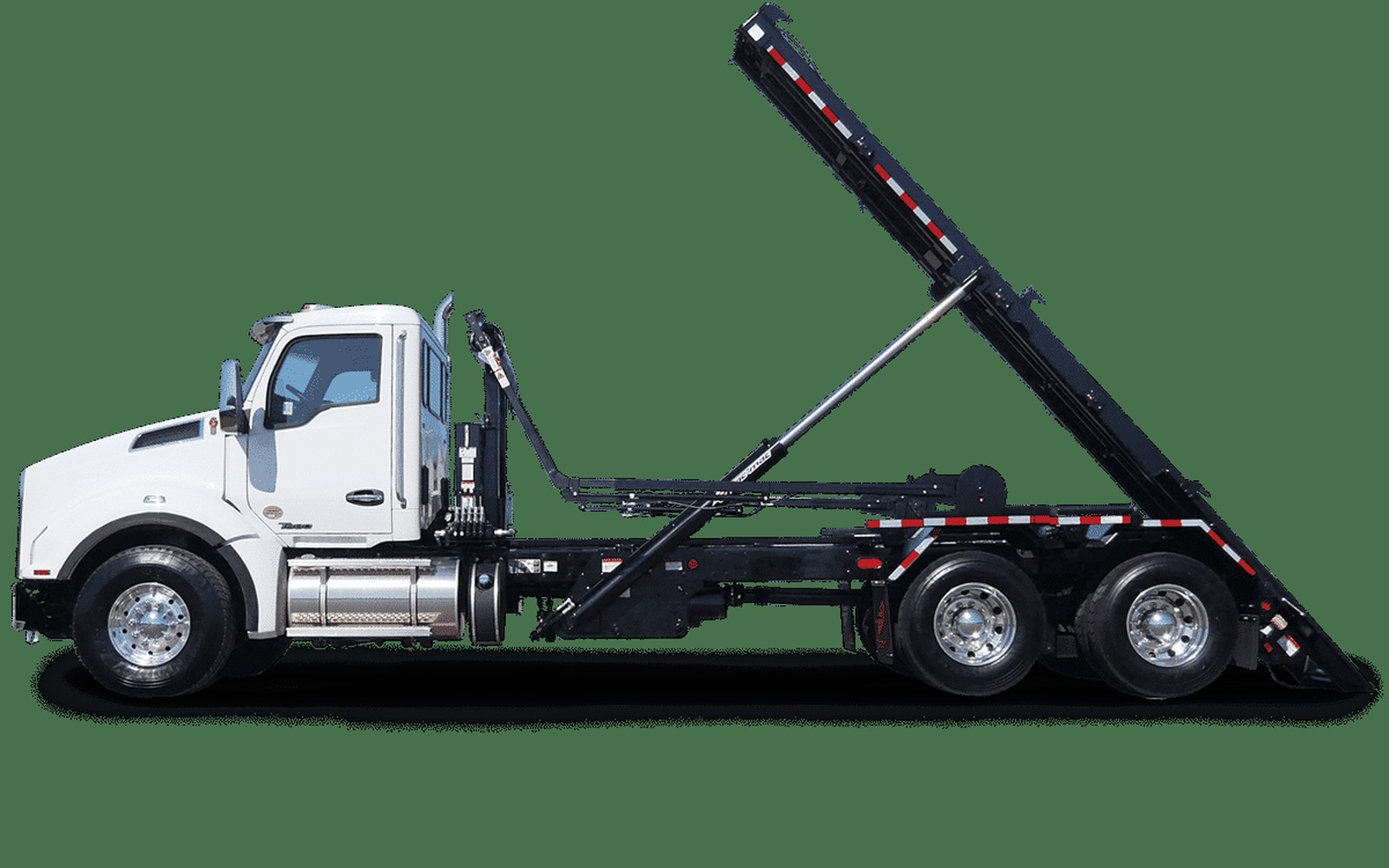
Miami's waste market runs under conditions that wear equipment faster than most northern markets. Salt air, persistent humidity, and heat load stress every mechanical system on a refuse truck, from hydraulic fittings to packer cylinder seals to electrical connections. Operators here know that a truck that runs five years without issue in Denver might need more frequent attention in South Florida. Operators who stay ahead of that with properly maintained, newer equipment hold their contracts. Those who don't, lose them.
South Florida is one of the densest urban markets in the country. Miami-Dade County alone contains 34 municipalities, each with its own service requirements. Private haulers serving commercial accounts in Brickell, Wynwood, Coral Gables, and across the beach corridor work tight streets, heavy foot traffic, and demanding pickup schedules. The construction boom in Downtown Miami, Edgewater, and the Biscayne corridor adds C&D debris volume. Port activity at PortMiami generates industrial waste. Across all of it, truck uptime is the job.
We finance refuse trucks for Miami and South Florida operators from $50,000 up. Application-only up to roughly $400,000. Funding in one to two weeks. Refuse truck loans and lease options both available, along with refinancing and sale-leaseback.
The South Florida Waste Market: Density, Port Volume, and Growth
Miami-Dade County's population exceeds 2.7 million, and Broward County to the north adds another 2 million. The tri-county South Florida metro is one of the largest combined waste markets in the Southeast. Private operators serve commercial accounts throughout this corridor, and the competition for those accounts is real. Operators who can guarantee service reliability, backed by equipment that doesn't break down, have an edge in contract retention and renewal.
PortMiami handles both cruise and cargo traffic at substantial volume. The marine-industrial complex around the port and along the Miami River generates steady commercial and industrial waste, including ship chandlery waste, food service waste from vessels, and cargo-related debris. Commercial waste collection businesses serving port-area customers need equipment suited to varied container configurations and restricted port access routes.
Real estate development in Miami has been persistent, particularly in the urban core. Edgewater, Wynwood, Brickell City Centre, and the waterfront have all seen high-rise and mixed-use construction that generates C&D debris continuously. Roll-off trucks carrying containers into and out of tight urban construction sites are daily-use equipment for operators holding those debris contracts.
Equipment Common in the Miami Market
Commercial front-loader routes dominate the private market in Miami. Restaurant rows, hotel corridors, retail centers, and the dense commercial strips in Coral Gables and South Miami require front-load garbage trucks servicing multiple container sizes per stop on tight schedules. Those trucks carry six-figure price tags on a current-model chassis with a quality body, and financing them correctly preserves cash for operations.
Residential collection in the Miami area uses a mix of automated side loaders and rear loaders depending on street configuration. Older neighborhoods with narrower streets and varied setback distances favor rear-load garbage trucks where the crew can service non-standard placements. Newer suburban developments further from the urban core suit automated side loaders for their per-route labor efficiency.
For operators building a recycling service capability, recycling trucks configured for single-stream or dual-stream collection are important fleet additions. Florida has recycling diversion goals, and many municipal contracts now include recycling components that require dedicated vehicles.
Credit Situations We Work With
South Florida has a high concentration of immigrant-owned businesses and operators who may have less established domestic credit history even when their businesses are running well. We look at the full picture: bank statement cash flow, contract documentation, time in business, and revenue trends. A business with strong revenue and a solid client list has a case to make even when the credit file is thin or has historical dings.
B/C credit truck financing is reviewed individually. No automatic cutoffs based on score alone. Three months of business bank statements is the primary document we rely on for assessing cash flow. For operators with active contracts from municipalities or established commercial accounts, sharing those agreements is useful supporting evidence.
New businesses are considered. A startup in the South Florida market entering with a signed subcontract or a confirmed municipal assignment has the supporting documentation that helps us say yes. Reach out and we'll walk through what we need.
Route Questions