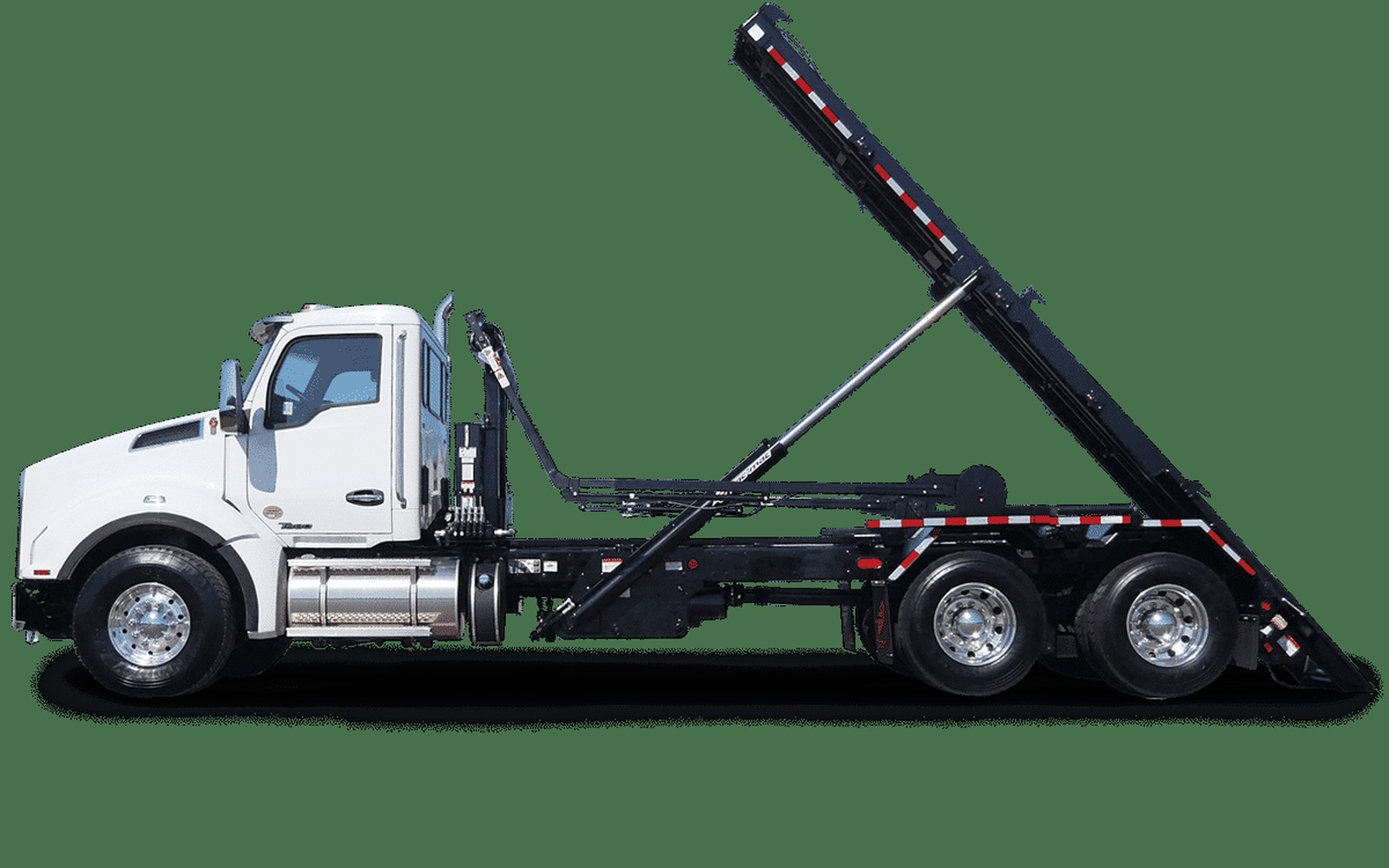
A route in the Phoenix metro runs hard. The heat alone pushes hydraulics, cooling systems, and packer bodies past limits you would never see in a temperate climate, and summer temperatures regularly exceeding 110 degrees Fahrenheit put hydraulic fluid viscosity and packer seal integrity under genuine stress. If a truck goes down in July, the contract does not pause to wait for it. That pressure is exactly why operators here think carefully about uptime before they think about purchase price, and it is exactly why financing structured around route continuity matters more than rate-shopping for a few basis points.
We work with private haulers, roll-off dumpster operators, and municipal sub-contractors running routes across Phoenix, Scottsdale, Glendale, Tempe, Mesa, and the surrounding Maricopa County territory. Whether you are acquiring a new packer to handle a commercial account you just landed, replacing an aging chassis before summer stress it cannot survive, or pulling equity out of trucks you own outright, we structure the deal around the contract rather than around the equipment age.
Phoenix: Growth, Construction, and Route Density
Maricopa County is one of the fastest-growing counties in the United States by raw population addition, and that growth translates directly into route density and container demand. Residential subdivisions are being platted at a pace that keeps automated side loader operators adding trucks to stay ahead of new service starts. On the commercial side, the construction boom along the Loop 101 and Loop 202 corridors generates debris volumes that keep roll-off fleets consistently deployed.
The Phoenix construction industry is a major waste generator. Commercial real estate, warehouse distribution centers, and data center campuses in the East Valley all produce C&D material that feeds roll-off container cycles. A hauler positioned to serve those accounts needs trucks available, not trucks sitting at a dealer waiting on purchase approvals that take six weeks.
Recycling routes are expanding as well. Arizona's materials recovery infrastructure has grown alongside population, and operators running dual-stream recycling trucks in the metro have found demand steady even during commodity price softness, because residential single-stream programs keep volume predictable regardless of market conditions.
How We Structure Deals for Phoenix Operators
Our minimum transaction is $50,000, and the sweet spot for most Phoenix operators is $100,000 to $150,000 or above, which covers a solid used rear-loader or a new automated side loader chassis and body combination. For deals up to roughly $400,000, we can often work from an application alone without requiring full financial statement packages, which keeps the process moving.
Documentation requirements are straightforward: three months of business bank statements, a completed credit application, and information on the equipment being financed. If you are buying used, we want the basic specs and seller information. Funding typically takes about one to two weeks from completed application to funded deal, which is fast enough to close on a truck before someone else does.
We finance new equipment, used equipment, and refurbished refuse trucks. We also handle garbage truck refinancing when operators need to restructure existing debt or pull cash from equipment they already own. B and C credit situations are considered. If you have had a rough year or carry credit blemishes from a prior business, the quality of your current contracts and route revenue matters more to us than a credit score in isolation.
Who We Finance in the Phoenix Market
The Phoenix basin draws a mix of hauler profiles. Some are long-established operators who have served Maricopa County for decades and are now expanding fleets to absorb route density from newer subdivisions. Others are newer entrants who won a commercial contract or a municipal sub-contract and need trucks immediately to perform it.
Private waste haulers servicing apartment complexes, retail centers, and restaurant corridors need front-loaders and rear-loaders that run reliably through the summer peak. Roll-off dumpster rental operators serving the construction market need hoists and containers in place before project start dates. We serve both, along with recycling operators, organic waste haulers, and specialty waste companies moving through Phoenix's industrial corridor south of I-10.
Startup operations are not automatically disqualified. A new-business situation with a signed service contract, good owner credit, and realistic route projections is a deal we will look at carefully. The contract is the real collateral in this industry, and if the contract is solid, the conversation is worth having.
New vs. Used Equipment in Phoenix's Climate
Phoenix operators face a genuine trade-off with used equipment. A truck with 100,000 miles that performed well in a moderate climate may behave differently after one Phoenix summer, especially if the hydraulic system has any deferred maintenance. Buyers who know what to inspect and source from reputable dealers or fleets in the region tend to do well with used units. Buyers who source blind from out-of-state auction without understanding the heat exposure risk absorb higher maintenance costs than the purchase discount justified.
New trucks running a CNG refuse chassis have become more common in the Phoenix market given the compressed natural gas infrastructure that Republic Services and others have built here. CNG chassis typically carry a higher upfront cost, but the fuel economics over a five-year route cycle can justify the premium, particularly on high-mileage daily routes. We finance CNG units the same as diesel, and the term structure can be set to match the longer useful life those powertrains often deliver.
Get Financing for Your Phoenix Route
If you are running routes in Maricopa County and need to add trucks, replace aging equipment, or refinance what you already own, submit an application and we will move quickly. Phoenix contracts do not wait, and neither do we.
Route Questions