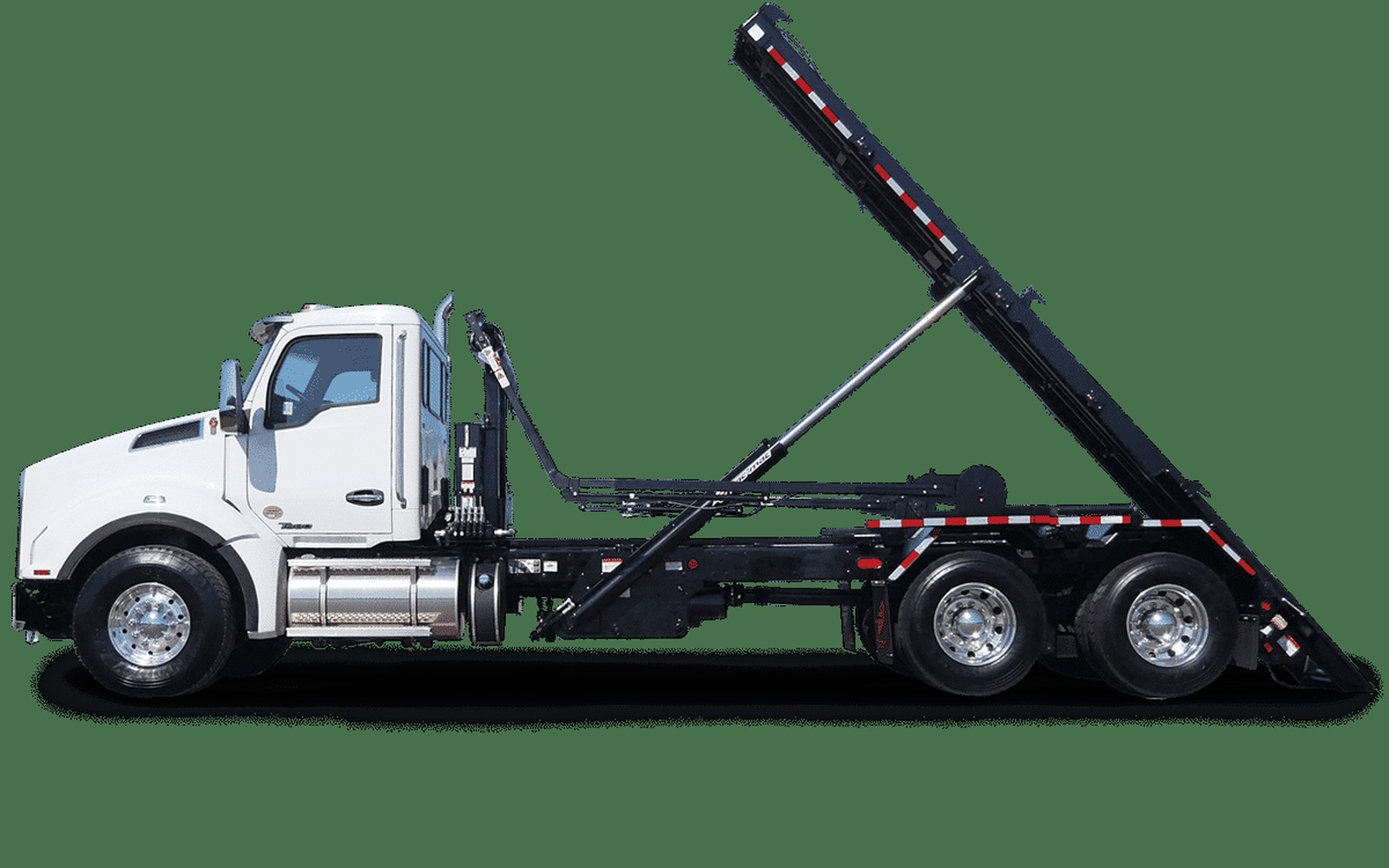
Richmond runs collection across the city proper, Henrico County, Chesterfield County, and the growing Hanover County suburbs, with each jurisdiction managing its own contracts and service arrangements. Private operators who hold accounts across multiple jurisdictions carry meaningful route density, and that density creates a financing need that recurs as trucks age out and contracts expand. The equipment obligation is constant because the route obligation is constant.
We finance refuse trucks and collection equipment for Richmond-area operators. New and used packers, roll-off rigs, refinancing on existing truck debt, and sale-leasebacks for operators with equity in clear-titled equipment. Minimum $50,000, typical range $100,000 to $150,000 per unit, and we handle fleet-level deals above that. B and C credit considered. Application-only up to about $400,000 on three months of bank statements. Funding in one to two weeks from a complete application.
Richmond's economy has diversified significantly beyond its historical base in tobacco and manufacturing. Financial services, healthcare centered on VCU Medical Center, state government, and a robust logistics and distribution sector all generate commercial waste that private operators collect on scheduled contracts. The James River corridor has seen consistent commercial and mixed-use development that creates new front-load and roll-off opportunities for established operators.
Richmond's Waste Collection Market
The Richmond market is structured around four primary jurisdictions: the City of Richmond, Henrico County, Chesterfield County, and Hanover County. All four manage residential collection arrangements, and private operators hold contracts or subcontracts in each. The suburban counties have been the fastest-growing part of the metro, with Chesterfield's Midlothian corridor and Henrico's Short Pump area leading residential expansion.
Commercial collection in Richmond proper concentrates around Shockoe Bottom, the Fan District, Scott's Addition, and the growing brewery and restaurant scene that has made Richmond a destination over the past decade. These commercial accounts run on tight urban schedules where front-load service has to be reliable and on time. The Scott's Addition redevelopment alone has added dozens of commercial accounts to the routes that serve that quadrant.
For roll-off operators, the I-64 and I-95 construction corridor, the ongoing redevelopment of former industrial sites along the river, and the residential subdivision construction spreading into Powhatan and Goochland counties generate consistent demand. Construction and demolition haulers serving these sites compete on container availability and pull reliability. Operators with roll-off trucks and adequate container inventory win the longer-term site relationships.
Getting Financed in Richmond
The application starts with your basic business information, the equipment details, and three months of business bank statements. For most transactions up to $400,000, that is the documentation set. Application-only financing removes the tax return and financial statement requirements that bank commercial lending desks impose. The equipment finance sources specialize in refuse equipment and understand that waste collection businesses carry predictable, recurring revenue that does not always look the way a bank's general credit model expects.
From a complete application to a funding decision typically runs a few business days. We move your file through the right lender based on your profile, not through a generic queue. Decision, term presentation, document execution, and funding follow in sequence. The total from first application to funded deal runs about one to two weeks for straightforward transactions.
Richmond operators have access to the full range of financing structures. Standard equipment loans through a refuse truck loan, lease options with purchase provisions, and structured refinancing all fit the market. For operators who have been with a lender for years and are rolling into a new truck, we sometimes identify better structures than what the incumbent lender offers by shopping the transaction across multiple specialists.
Related Financing Options
Beyond the standard equipment loan, Richmond operators have found several other structures useful. A cash-out refinance on a truck with equity converts idle collateral value into working capital. If you have been paying down a truck for two or three years and it still has significant value, that equity can be accessed without selling the truck.
For operators who want to add a roll-off truck and fund initial container inventory at the same time, roll-off truck financing can sometimes include the hoist and a portion of container costs in a single transaction. We structure this based on total deal size and the lender appetite for combined equipment packages.
Newer operators who are purchasing their first truck should also consider startup financing options designed for businesses under two years old. These transactions carry different requirements, typically including a stronger personal credit profile and sometimes a larger down payment, but they do provide a path to ownership when conventional business history is not yet available.
Route Questions