A route in the Inland Empire runs seven days a week regardless of what the truck decides to do. Riverside sits at the center of one of the most active distribution and logistics corridors in the country, and that density generates serious tonnage for haulers holding residential, commercial, and construction contracts from Riverside proper out through Corona, Moreno Valley, and the unincorporated communities that ring the county. Contract pressure here is real. If your packer is down and service misses a stop, the municipality or property manager notices the same morning.
We finance refuse trucks for operators working the Riverside market, from owner-operators running a single packer truck on a subdivision route to mid-size fleets balancing municipal accounts with commercial dumpster stops. The minimum is $50,000 and the sweet spot sits between $100,000 and $150,000 and up, which puts a solid spec'd rear loader or a pair of used roll-offs squarely in range. New equipment, used equipment, and refurbished refuse trucks all qualify. B and C credit is considered. Funding typically takes one to two weeks from a completed application.
The Riverside Route Environment
Riverside County is the fourth-largest county by area in California and one of the fastest-growing by population. That combination creates a durable demand floor for waste collection. The logistics warehouses concentrated along the I-215 and I-10 corridors generate heavy commercial tonnage. The residential expansion in cities like Murrieta, Menifee, and Eastvale adds route density for haulers who can add a truck to serve new neighborhoods before a competitor locks up the contract.
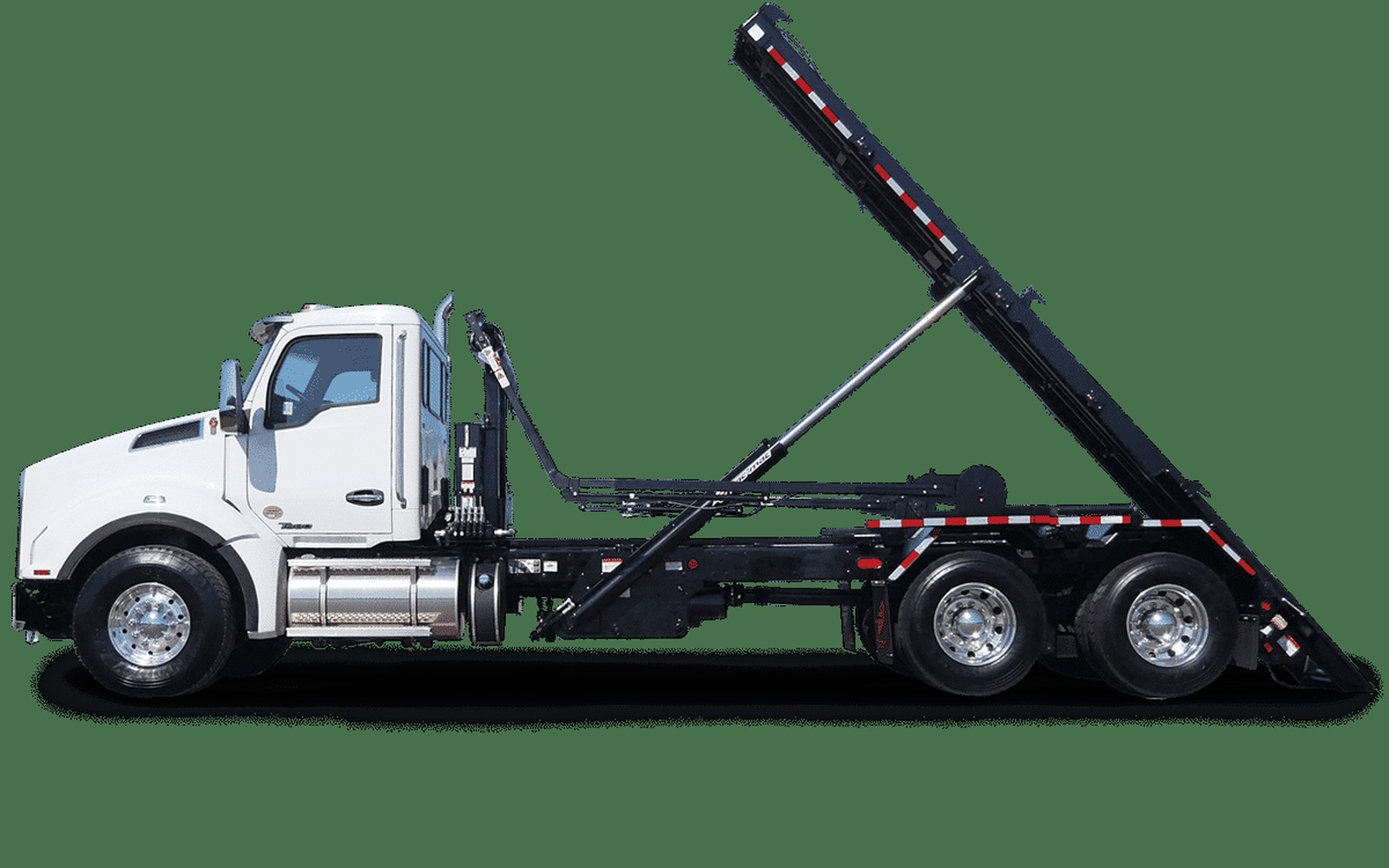
The region also has an active construction and demolition debris market tied to housing starts and warehouse builds. Operators running roll-off trucks into active job sites throughout the county are generating consistent revenue on short-cycle container swaps. If you hold contracts in that space and need to add capacity, financing a roll-off on a two- to three-week timeline is achievable with the right lender in your corner.
Climate conditions also factor into equipment selection here. The Inland Empire heat cycle is hard on hydraulic systems and packer components. Operators buying used equipment need to factor in inspection and maintenance reserves. We can build those realities into a deal structure that makes sense for the specific truck, not just a generic payment schedule.
How the Financing Process Works
The application is straightforward. For amounts up to approximately $400,000 we can often work on an application-only basis, meaning no full tax return package required to get a decision. Three months of bank statements, a completed application, and the equipment details are the typical starting point. Larger transactions and deals where credit tells a more complex story will need more documentation, but the process stays efficient.
You choose the structure. A refuse truck loan puts the title in your name at closing, which makes sense when you want the depreciation and plan to run the machine for its full useful life. A refuse truck lease can lower the monthly outlay and leave an upgrade path at term end, which some operators prefer when technology is moving or when the route may change enough that a different spec makes more sense in five years. We walk through both options so you can pick what fits your cash flow and tax position.
For operators who already own equipment with equity in it, a Sale-Leaseback can release working capital without selling the truck. You sell the unit to the lender, lease it back, and keep it running on your routes. The cash comes to you, not to a dealer.
New Truck vs. Used Truck in the Riverside Market
New refuse truck prices have climbed. A new rear loader in current spec typically runs from the low $200,000s up depending on body configuration and chassis. CNG-powered units cost more still, and lead times from manufacturers can stretch months. If you are holding a contract that starts next quarter, waiting for a new build may not be the answer.
The used market in Southern California tends to be active. Trucks coming off municipal contracts often enter the secondary market at prices that make a strong financial case, particularly for an operator starting a first route or adding density to an existing one. Used refuse truck financing works the same way on our end as financing a new unit: the application process is the same, the timeline is the same, and B/C credit consideration applies equally. The underwriter looks at the truck's condition and remaining useful life alongside the operator's profile.
Who We Work With in Riverside
Private haulers holding residential contracts in Riverside, Fontana, Rialto, and the surrounding cities make up a core part of our customer base in this market. So do roll-off operators serving the construction boom along the I-15 and new industrial corridors near Perris and Beaumont. Private waste haulers at all stages qualify here, including startups and operators whose credit history reflects the cycles of the industry rather than any pattern of avoidance.
We also work with construction and demolition debris haulers who need roll-off capacity tied to specific project timelines. If you have a contract in hand and need a machine to serve it, the financing can move in parallel with your procurement.
One more group that comes to us frequently: operators who took out financing at a high rate early in the business and want to restructure. A garbage truck refinance can lower the monthly obligation and free up cash for route operations or the next truck purchase. If you have been making payments consistently and the original rate no longer reflects your position, it is worth a conversation.
Get Your Riverside Financing Started
Fill out an application or call us to talk through your route situation. We work with operators across Riverside County and can move on a decision quickly once we have the basics in hand.
Route Questions