Sacramento sits at the center of California's state government and at the edge of the Central Valley agricultural economy, and neither of those anchors slows down. The region's population has grown steadily as Bay Area workers have relocated in search of more affordable housing, pushing residential development outward into Elk Grove, Roseville, Folsom, Rancho Cordova, and Lincoln. Those new communities mean new routes, and the haulers who are capitalized to serve them are adding trucks, not waiting for the right moment to apply for financing.
We work with private haulers, roll-off dumpster operators, and specialty waste companies throughout Sacramento County, El Dorado County, and Placer County. The financing process is straightforward, the documentation is manageable, and we typically fund in about one to two weeks from a complete application.
Sacramento's Waste Hauling Market
The Sacramento region benefits from a stable government employment base, which makes the commercial waste market less volatile than in economy-exposed metros. State agency campuses, county offices, and the healthcare and education institutions that cluster around a state capital create steady commercial waste generation that does not swing sharply with economic cycles. Operators who hold commercial service agreements with government-adjacent clients have found that revenue more predictable than restaurant or retail-dependent routes.
Agricultural processing and food production facilities in the Sacramento Valley generate significant organic and process waste streams. Operators serving food processors, canneries, and distribution facilities along the Highway 99 corridor and in the Woodland and Stockton-area extensions of the Sacramento market deal with waste volumes that run on crop cycles, with seasonal peaks that can strain route capacity. Food waste and organics haulers serving these facilities benefit from California's SB 1383 organic diversion mandates, which have added contracted volume to what was previously a spot-market service.
Construction activity in the Sacramento suburbs has been significant. Roseville, Folsom, and Elk Grove have added substantial residential inventory, and the commercial development that follows residential growth in those communities keeps roll-off trucks busy through build-out cycles. Operators who can field enough containers to serve multiple active sites without running short hold a competitive advantage.
Equipment We Finance in the Sacramento Region
Automated side loaders are the standard for residential collection in newer Sacramento-area developments. The City of Sacramento's franchise hauler runs ASL-heavy fleets on its residential routes, and private operators who service surrounding unincorporated areas often mirror that equipment profile. We finance automated side loaders from a range of body manufacturers, including McNeilus, New Way, Heil, and Labrie platforms that are common in the California market.
CNG refuse trucks are the dominant clean-fuel platform in the Sacramento region. The Sacramento Metropolitan Air Quality Management District has been proactive about supporting natural gas vehicle adoption, and the CNG fueling infrastructure in the region reflects years of investment by major operators. Most haulers acquiring new trucks here are speccing CNG as the fuel type, and we finance CNG units under the same framework as diesel without treating the fuel type as a risk variable.
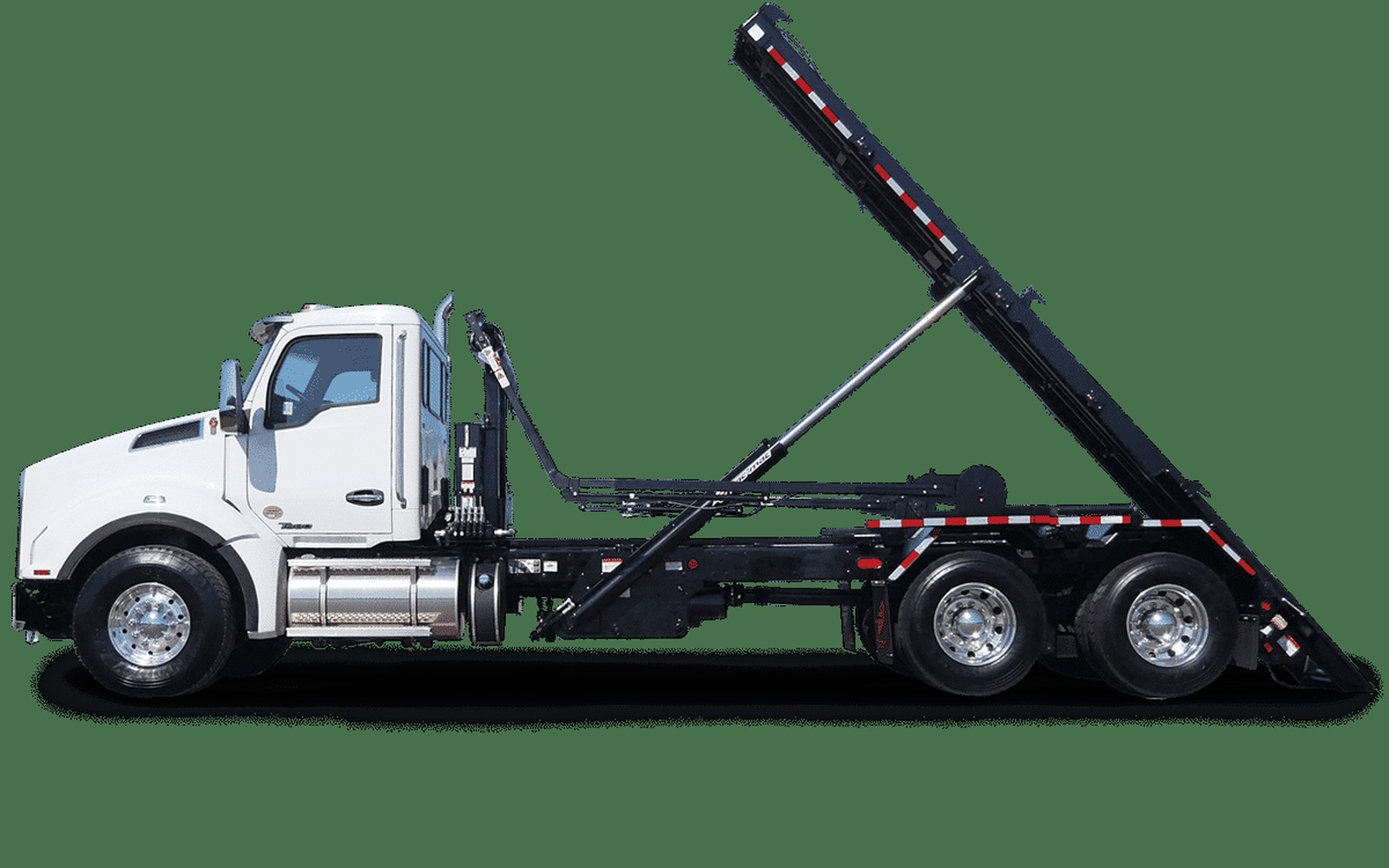
Grapple trucks and specialty equipment for yard waste, C&D debris, and green waste collection are part of the Sacramento market as well, given the region's significant landscaping and tree service industry. We finance grapple trucks alongside traditional packers and roll-off equipment.
Sacramento Operators We Work With
Private waste haulers operating throughout the Sacramento metro and its growing suburban ring are the core customer. Whether you are running residential routes in the unincorporated county, commercial routes in downtown Sacramento, or specialty routes serving the agricultural processing corridor, the financing framework is the same: route and contract quality, business stability, and equipment value drive the decision.
Recycling operators have a particularly active market in Sacramento given California's diversion mandates. Recycling collection companies operating under CalRecycle compliance programs have reliable contracted volume and predictable payment from municipal or franchise clients. That makes their financing file straightforward to underwrite because the revenue visibility is high.
Newer operators with solid owner credit and a signed contract are reviewed on those specific merits. Sacramento's growth has created market entry opportunities for operators who position themselves in developing suburban routes where the established haulers may not have the truck count to serve all the new accounts coming online.
Documentation and Credit
Our minimum transaction is $50,000. For deals up to approximately $400,000, documentation requirements are: completed credit application, three months of business bank statements, and equipment details. We do not require tax returns or audited financials to begin the review, which keeps the initial ask manageable.
B and C credit situations are considered. The underwriting looks at your banking history, contract quality, and revenue trend alongside the credit report. A Sacramento hauler who had a difficult year but is running a clean operation today with consistent deposit history is evaluated on the current picture, not only the historical one. We are also direct about what we see in a file; if a deal is not workable we will tell you why rather than letting the process drag.
Funding in about one to two weeks from a complete file is typical. California title work adds modest steps versus some other states, but it is a routine part of our process and does not extend the timeline materially when the transaction is clean.
Route Questions