St. Louis operates as two distinct collection markets stacked on each other. The City of St. Louis, independent from St. Louis County, runs its own sanitation department and contracts. The county and its many municipalities each manage their own collection arrangements, which means private operators here often hold several separate contract relationships simultaneously, each with its own schedule and tonnage expectations. Serving that fragmented market takes reliable equipment, and reliable equipment requires a financing structure that holds up as well as the trucks do.
We finance refuse packers, roll-off rigs, and specialty collection vehicles for St. Louis operators across the city and county. New equipment, used trucks, refinancing existing debt, and sale-leasebacks for operators who have equity in clear-titled machines. Minimum $50,000, typical deals landing between $100k and $150k. B and C credit considered. Three months of bank statements is usually all it takes up to about $400,000. Funding typically comes in one to two weeks from a complete application.
The Gateway City's construction activity, particularly the ongoing redevelopment in the Cortex Innovation Community and in north St. Louis, creates roll-off demand that private operators can capture. The region's food manufacturing and distribution sector, including the operations that still anchor the rail yards, generates steady commercial tonnage for front-load operators.
Equipment That Works in This Market
St. Louis's mix of dense urban blocks, older residential neighborhoods, and suburban routes shapes what equipment performs best. In the city's tight alley-accessed streets, a rear-load garbage truck with good maneuverability and a reliable packer mechanism is the standard. In county suburbs like Chesterfield, Ballwin, and Clayton, automated side-loaders handle single-family residential collection efficiently.
Commercial accounts downtown and along the corridors near the MetroLink light rail stations run on front-load service, where a well-maintained commercial front-load packer making multiple cycles daily needs to be mechanically sound at every stop. Equipment that misses a stop on a commercial contract creates liability, not just inconvenience.
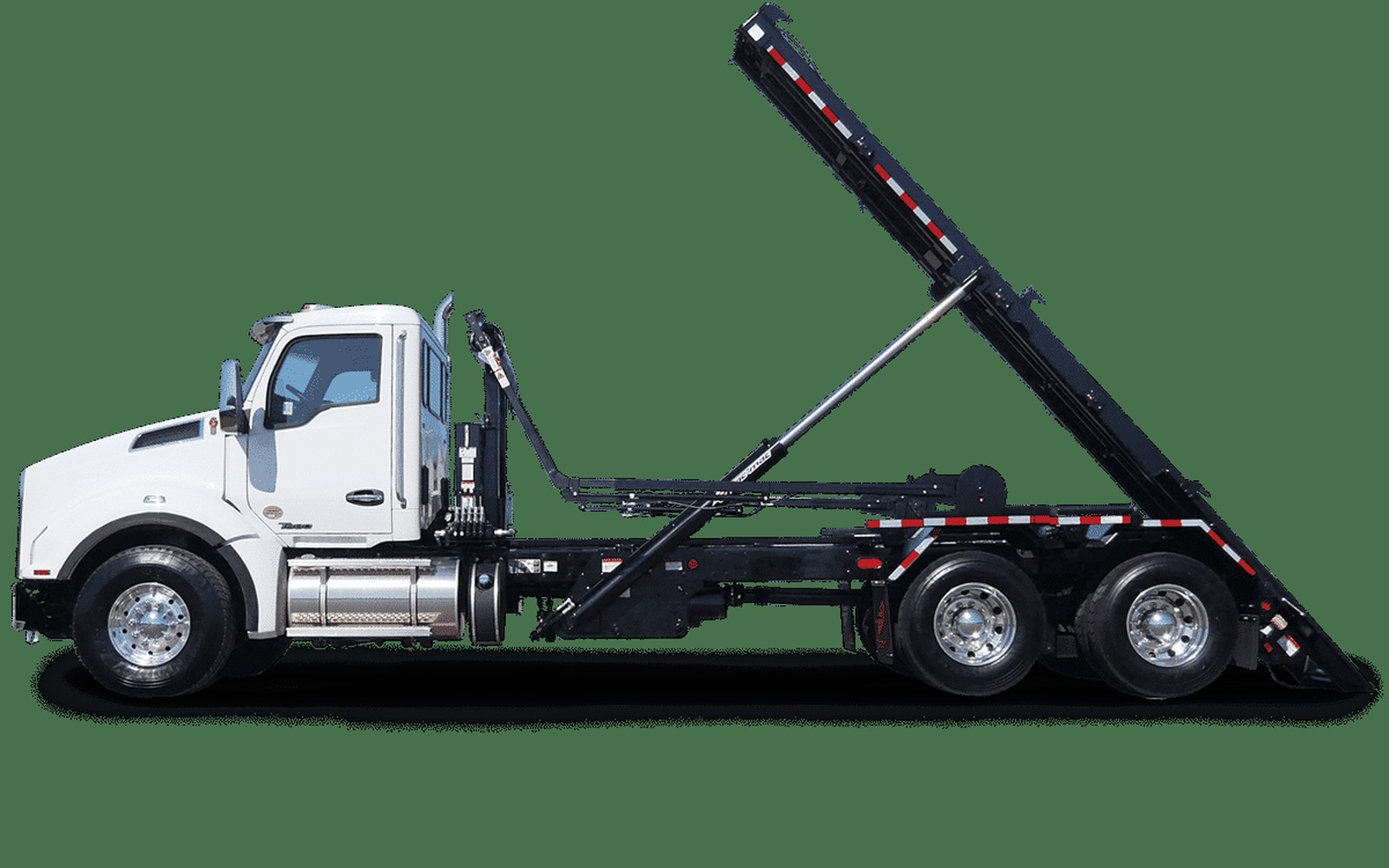
Roll-off work in this market follows the construction calendar, which in St. Louis runs through most of the year. Operators who have roll-off trucks available on short notice capture the most accounts. Financing that gets a truck in the yard quickly rather than waiting on bank committee schedules is what makes that availability possible. The roll-off dumpster rental segment here is competitive, and operators with more trucks in rotation generally win more bids.
From Application to Funded
The process starts with a simple application. For most deals up to $400,000, three months of bank statements is the only financial documentation required. We do not run you through a bank-style underwriting gauntlet for a piece of refuse equipment. The application goes to lenders who know this equipment category and can evaluate it properly.
From submission of a complete package to a funding decision typically runs a few business days. Document execution and funding follow, usually within a week to ten days of that decision. The total timeline from first contact to truck in your yard runs about one to two weeks when the deal is straightforward. Complex credit situations or larger transactions take a bit longer, but we tell you the realistic timeline upfront.
Application-only financing removes the tax return and financial statement requirements that slow bank processes to a crawl. For operators who have been in business for a few years and have clean bank statements showing steady deposits, this path is almost always faster than going through a conventional bank.
Who We Work With
The majority of our St. Louis clients are private haulers serving residential and commercial accounts, roll-off operators building out container inventory, and owner-operators looking to move from running someone else's truck to owning their own route. Private waste haulers in this market often hold county municipal contracts, city commercial accounts, or both, and need equipment financing that keeps up with contract obligations.
We also work with established operators who want to add a unit mid-contract cycle. A second truck means you can serve more stops, bid larger contracts, and have backup capacity when a primary unit goes down for maintenance. The math on adding a truck usually works if the route revenue supports the payment, and we help you run those numbers before you commit.
Newer businesses, including startups with a contract already in hand, can qualify. The contract is the revenue evidence. A signed municipal or commercial service agreement, combined with personal credit and three months of business activity, is enough to structure a deal on a first truck for many applicants.
Route Questions