Baton Rouge sits at the center of one of the densest petrochemical and industrial corridors in North America. The combination of refineries, chemical plants, port operations, and the government and university sector makes this a market where waste collection contracts range from standard residential routes to specialized industrial collection agreements that run around the clock. Private operators serving this market need equipment that holds up under demanding conditions and financing that does not complicate an already complex operation.
We finance refuse trucks, roll-off equipment, and specialty collection vehicles for Baton Rouge operators. New equipment, used trucks, refinances on existing debt, and sale-leasebacks on equipment with clear titles. Minimum $50,000 per transaction, typical deals landing between $100k and $150k per unit. B and C credit considered. Application-only financing available to about $400,000 on three months of bank statements. Funding in one to two weeks from a complete package.
Baton Rouge Industrial and Collection Context
East Baton Rouge Parish is the largest parish by population in Louisiana, and the metro spans into West Baton Rouge, Livingston, and Ascension parishes as suburban growth continues. The residential collection market in Baton Rouge proper and in fast-growing communities like Prairieville, Gonzales, and Zachary generates consistent route demand. Private haulers hold municipal subcontracts across these parishes and compete for commercial accounts in the city's downtown and the densely commercial Siegen Lane and Airline Highway corridors.
The industrial segment is the distinctive element of this market. The ExxonMobil refinery complex along the river is one of the largest in the United States. The BASF, Dow Chemical, and LyondellBasell facilities, along with the Port of Greater Baton Rouge, generate industrial and hazardous waste streams that require specialized haulers and equipment. Industrial waste services operators here often work under long-term facility service agreements that provide stable revenue well beyond what a standard municipal contract offers.
Louisiana State University and the state government concentration in Baton Rouge also generate commercial collection demand from the university campus, state office buildings, and the hospitality and food service sector that serves both populations. Roll-off demand follows the construction that tracks Baton Rouge's steady suburban expansion.
Equipment Built for This Route Mix
Baton Rouge's collection market calls for different equipment depending on the account type. Residential routes in East Baton Rouge Parish run on automated side-loaders in newer subdivisions and on rear-load units in older, denser neighborhoods. Commercial downtown accounts and restaurant-heavy corridors use front-load packers making multiple trips daily.
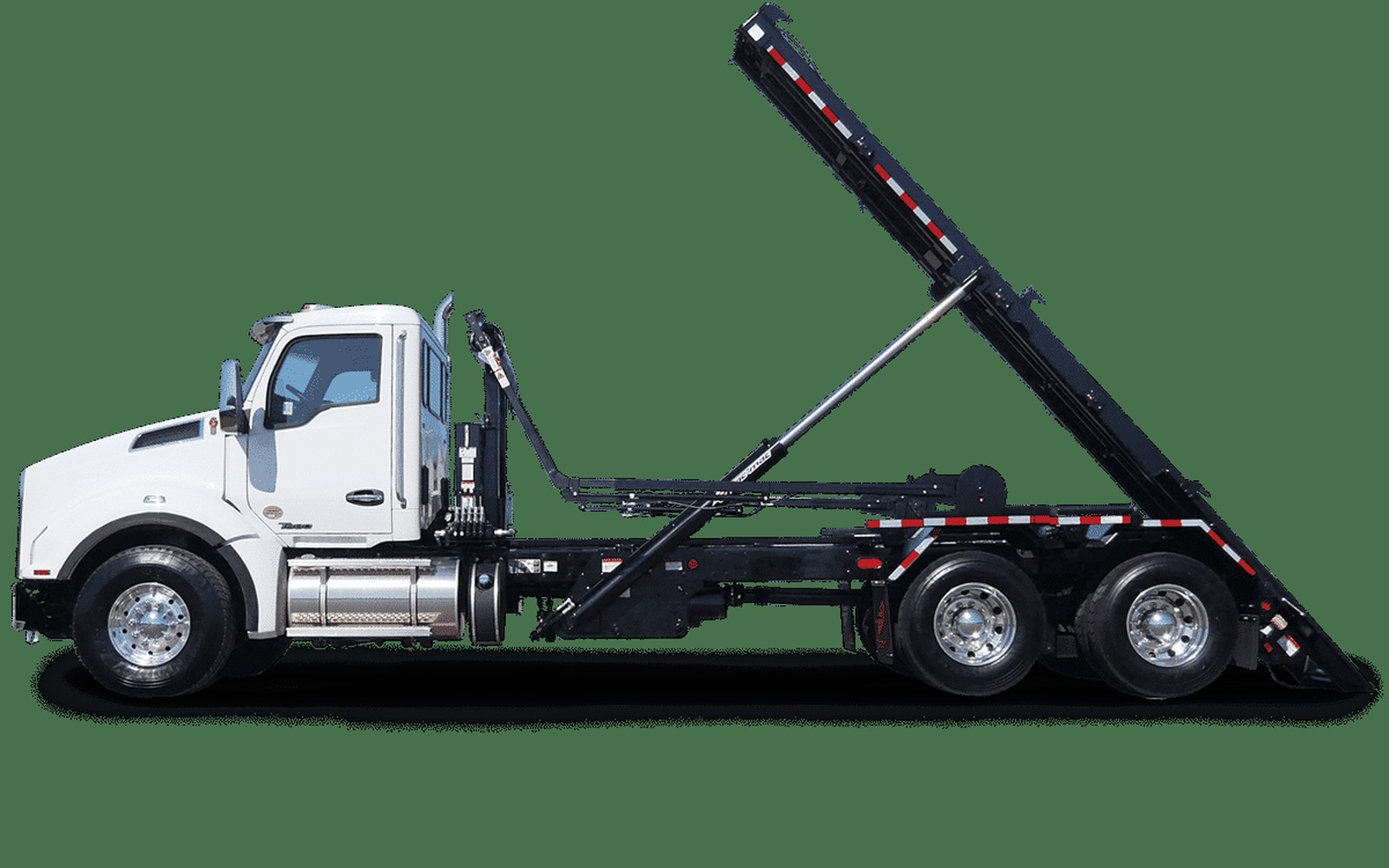
For operators serving industrial clients along the river corridor, the equipment needs are heavier. Roll-off trucks handling large containers at refinery and chemical plant sites need solid hydraulics, reliable hoist mechanisms, and the towing capacity to handle fully loaded 40-yard boxes. A well-maintained 40-yard roll-off configuration is common in industrial applications here.
The climate here is subtropical, which affects maintenance schedules. Hydraulic seals, packing mechanisms, and electrical systems all see accelerated wear in the heat and humidity. Operators who maintain tight service schedules keep their equipment in service longer, and financing that supports a regular replacement cycle makes that maintenance approach practical rather than aspirational. Packer truck bodies from established manufacturers hold up better in this environment than lower-quality alternatives, and our lenders recognize that quality equipment justifies the financing.
The Financing Process
Getting equipment financed starts with the application. For most transactions up to $400,000, we need the completed application and three months of business bank statements. That is the core documentation. We take that package to lenders who specialize in refuse equipment, not general commercial lenders who treat a packer truck like an office copier. The specialists understand residual values, route revenue patterns, and the cash flow structure of waste collection businesses.
Decision typically comes within a few business days of a complete submission. Once approved, the terms are laid out clearly before you sign anything. Funding follows, and the total timeline from first application to truck-in-yard usually runs one to two weeks. Complex credit situations or transactions over $400,000 may take somewhat longer, but we tell you the realistic timeline from the start.
Structure options include standard loans through a refuse truck loan, leases with purchase options, and used refuse truck financing for operators purchasing from private fleet sales or dealer inventory. All options are available on both new and used equipment within the eligible age range.
Route Questions