Houston is one of the fastest-growing large cities in the country, and that growth feeds a waste market that keeps expanding with it. New subdivisions in Katy, The Woodlands, Pearland, and Sugar Land add residential accounts. Office and industrial construction across the metro generates consistent C&D debris volume. The port complex generates industrial waste. The refinery corridor generates specialized hauling needs. For operators in this market, the question is not whether there's work. It's whether they have the trucks to take it.
We finance refuse trucks for Houston operators at every scale, from a single-truck startup entering the suburban residential market to an established hauler adding capacity to serve a new municipal contract. Our minimum is $50,000, with a sweet spot at $100,000 to $150,000 and up. Application-only financing is available up to roughly $400,000, which covers most single-truck and light fleet addition deals without a heavy documentation burden.
Funding timeline is one to two weeks from a complete application. Texas has no state income tax and a business-friendly regulatory environment, which means operators here often move faster on decisions than in other markets. We keep pace with that.
Houston's Waste Industry: Growth, Port Volume, and Petrochemical Hauling
The City of Houston operates one of the largest municipal solid waste programs in the country, with the city's Solid Waste Management Department handling residential collection across its considerable footprint. Private operators fill in around the municipal service area, serving commercial and industrial accounts, unincorporated Harris County, and the surrounding suburban cities that contract out collection rather than running their own fleets.
The Port of Houston and the Houston Ship Channel anchor an enormous industrial and petrochemical complex. Refineries, chemical plants, and industrial fabricators from Pasadena to La Marque generate industrial waste streams that require specialized hauling. Industrial waste services operators in the Houston area need equipment capable of handling heavy, sometimes hazardous-adjacent loads, and those trucks are serious capital investments. We finance equipment for that segment of the market as well as for conventional residential and commercial collection.
Construction activity in greater Houston is persistent, driven by a combination of population growth, hurricane recovery and rebuilding cycles, and ongoing commercial development along the Beltway and Grand Parkway corridors. Roll-off trucks and container inventories are steady-demand equipment here, and operators holding C&D debris contracts need reliable iron in service daily.
Operators We Work With in Houston
The Houston market includes a range of operator types, and we work across that range. Established private waste haulers with commercial accounts throughout the metro are a core customer. Suburban operators serving the fast-growing communities in Fort Bend, Montgomery, Brazoria, and Galveston counties are another. Smaller operators specializing in junk removal or residential cleanout work in the city's older neighborhoods are also welcome to apply.
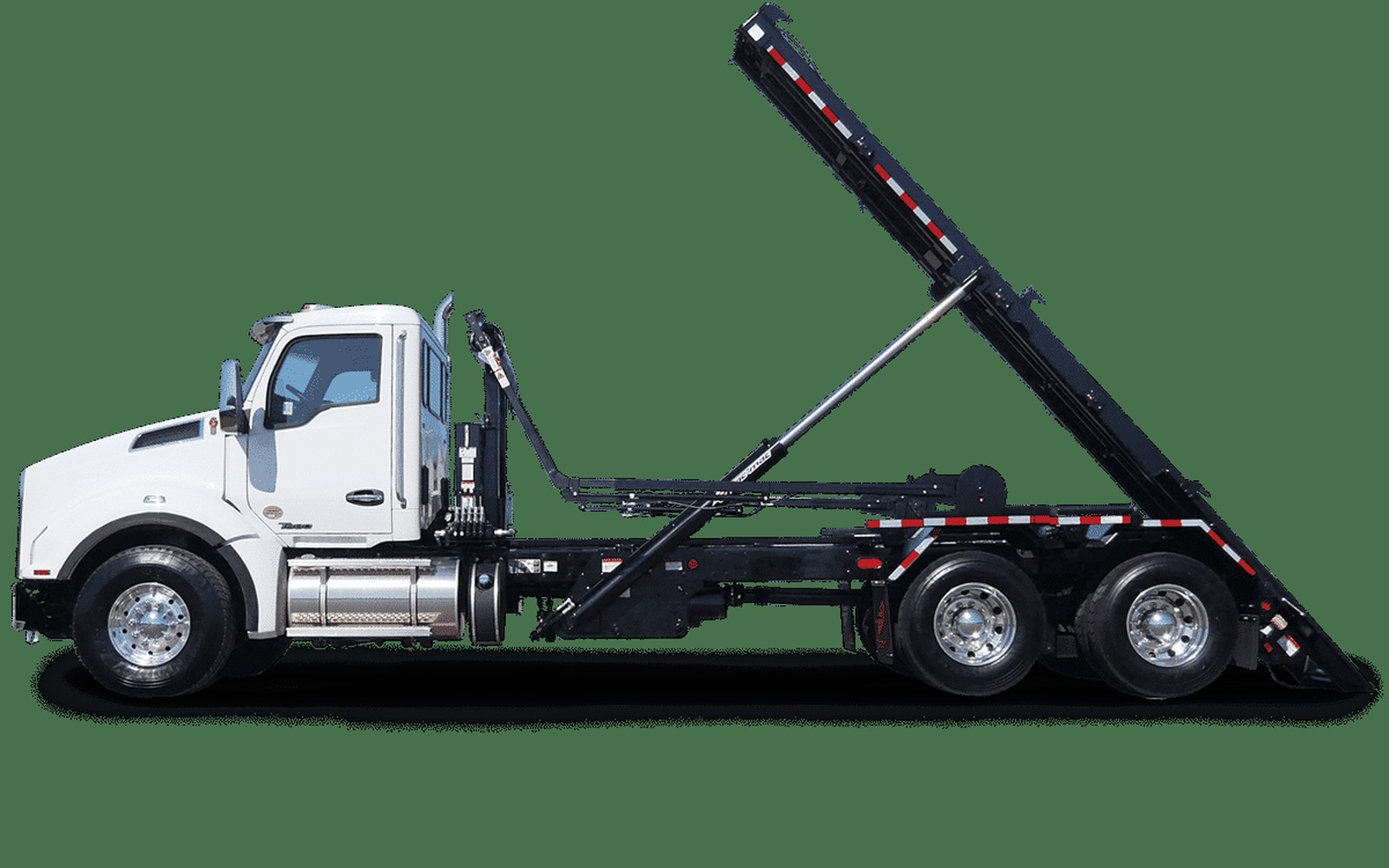
For operators serving the refineries and chemical plants along the Ship Channel, equipment needs are often specific: hooklift trucks for handling industrial bins, roll-off trucks for bulk debris, and sometimes specialized vacuum or tanker equipment. We evaluate those deals on the same criteria as conventional collection equipment, focusing on contract revenue and business cash flow.
Startups are considered. A new operator entering the Houston market with a service agreement or a subcontract from an established hauler has a case to make, and we review those applications on bank statements and contract documentation rather than requiring years of history.
Financing Structures and Terms
Structures available include standard equipment loans, refuse truck lease options with various end-of-term treatments including dollar-buyout and fair-market-value terms, and refinancing. For Texas operators, Section 179 deduction and bonus depreciation can affect the net cost of a purchased unit, so it's worth having that conversation with your accountant alongside the financing decision.
A TRAC lease (terminal rental adjustment clause) is another option for operators who want flexibility on the equipment's residual value. That structure is common in truck financing and allows the lessee to adjust the balloon payment based on actual equipment value at lease end. For operators who put high mileage on their trucks across the Houston metro's sprawling geography, TRAC terms can be a sensible fit.
Sale-leaseback is available for operators who own equipment outright. If you have paid-off trucks in your fleet and need liquidity for a contract deposit, a fleet expansion, or maintenance reserves, converting that equipment equity to cash without giving up the trucks is a real option.
Route Questions