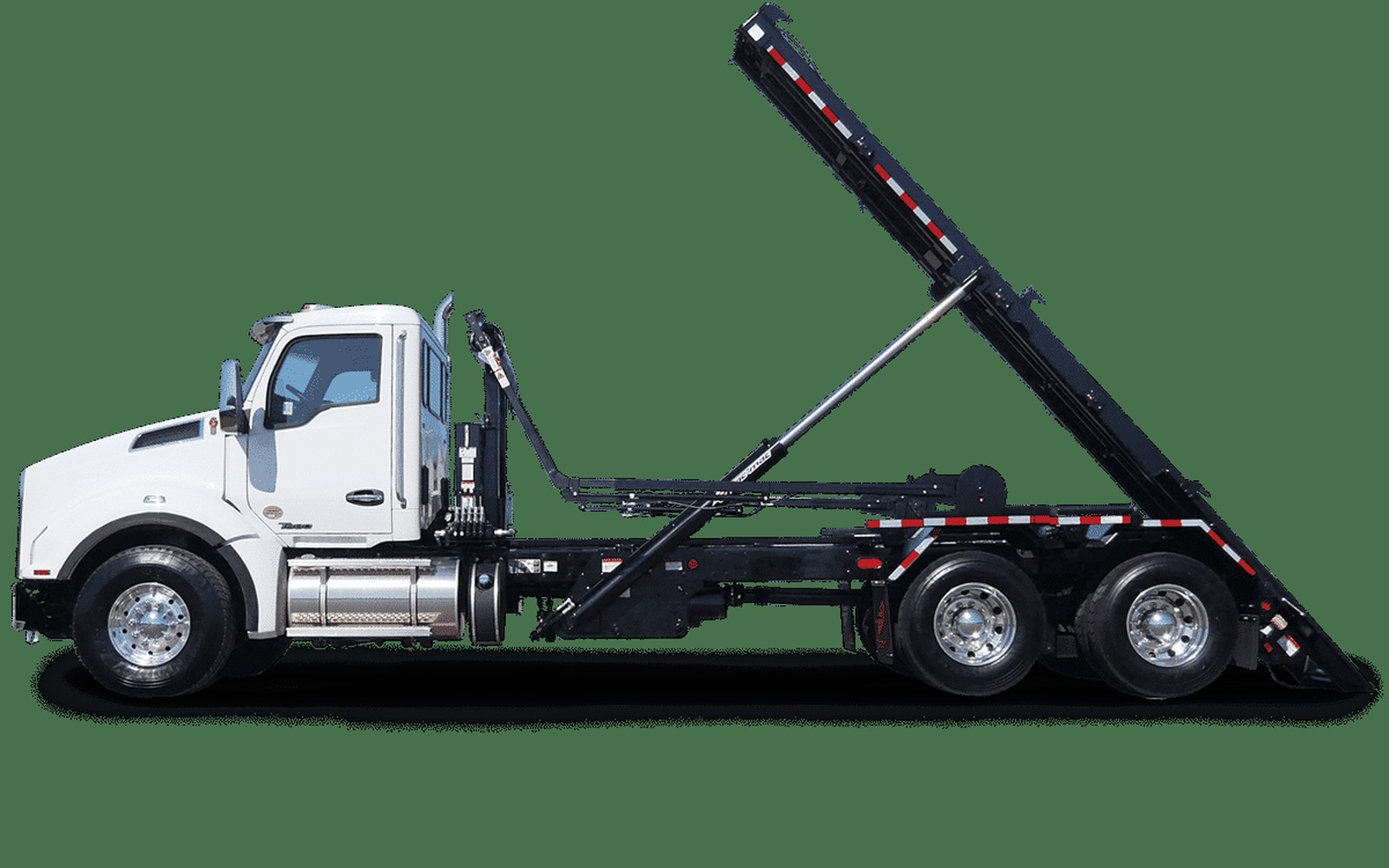
Virginia Beach is the largest city by population in Virginia, and its collection market reflects that scale. Oceanfront resort collection, dense suburban residential routes spreading from the Pembroke area to the Kempsville corridor, commercial accounts serving the retail and restaurant concentration along Dam Neck Road and Virginia Beach Boulevard, and proximity to major military installations at NAS Oceana and Dam Neck Fleet Training Center all factor into the collection picture here. Private operators holding accounts in this market are managing genuinely varied route types under one business.
We finance refuse trucks and collection equipment for Virginia Beach and Hampton Roads operators. New equipment, used packers and roll-off rigs, refinancing on current debt, and sale-leasebacks for operators with equity in clear-titled machines. Minimum $50,000, typical deal range $100,000 to $150,000 per unit. B and C credit considered. Application-only financing available to about $400,000 on three months of bank statements. Funding in one to two weeks from complete application.
Hampton Roads as a regional market includes Norfolk, Chesapeake, Portsmouth, and Suffolk alongside Virginia Beach, and operators who serve across city lines in this region often carry more route volume than their truck count would suggest. The density of the metro, combined with the military population base that generates consistent residential demand, makes this one of the more stable collection markets on the mid-Atlantic coast.
Hampton Roads Collection Environment
Virginia Beach city limits encompass a wide geographic area, from the dense resort strip along the Atlantic to rural farmland in the Princess Anne area and the agricultural land near the North Carolina border. That geographic spread means operators here often run routes that mix urban density with suburban and semi-rural stops in the same day. Equipment needs to be versatile and reliable across that range.
The military presence in the region, including Naval Station Norfolk, NAS Oceana, Fort Story, and the Navy's significant support infrastructure, creates both institutional collection demand and a large active-duty residential population that generates residential collection volume. Military housing complexes and the dense apartment market that surrounds the bases generate collection needs that private operators often hold under government contracts or property management agreements.
The resort and tourism economy along the oceanfront generates seasonally elevated commercial tonnage, particularly from Memorial Day through Labor Day. Operators serving that strip run their equipment harder in summer than in winter, which affects maintenance cycles and shapes replacement decisions. Commercial waste collection operators along the boardwalk and Atlantic Avenue need equipment that can handle the peak without breaking down mid-season.
Roll-off demand follows the steady residential and commercial construction activity across Chesapeake and the growing Greenbrier corridor. Construction and demolition debris haulers in Hampton Roads compete on container availability, and having roll-off trucks in the yard to respond quickly is what keeps those accounts.
New Trucks and Used Equipment in This Market
Virginia Beach operators buying new equipment deal with the same manufacturer lead times as any other metro. Some body-chassis combinations are running six to twelve months from order to delivery. Financing locked in before the order goes in ensures funding is available when the unit arrives, and your cash stays in the business in the meantime.
Used equipment is the more immediate path for operators who need a truck this month. The Hampton Roads market has dealer inventory from fleet sales and trade-ins, and private fleet sales from operators cycling out of older units provide additional sourcing. A used garbage truck at two to four years old with documented maintenance is a standard and well-supported financing transaction.
For roll-off operators, used roll-off trucks with solid hoist mechanisms are a common add-capacity move. Verifying the hoist condition, hydraulic system, and cab are the critical inspection points on a used roll-off purchase. We can recommend what to verify before committing to a purchase, and we finance the deal once the condition is confirmed.
What We Need from You
For most applications up to $400,000, the package is simple: the completed application and three months of business bank statements. If the transaction is above that threshold or the credit profile has complications, we may need additional items, but we tell you upfront rather than asking repeatedly. Bad-credit truck financing is available for operators whose scores have taken a hit from a past business challenge or a personal event. The route revenue and bank deposit history are what we emphasize to the lender in those cases.
Newer businesses with signed contracts can qualify. A signed military housing management agreement, a commercial property management collection contract, or a city subcontract all demonstrate revenue that lenders can evaluate alongside the credit profile. Startups without contracts face a higher bar, but operators who have their first contract and are ready to equip for it have a viable path through new-business startup financing.
Personal guarantees are standard for privately held businesses under about $5 million in annual revenue. The guarantee is the owner's commitment behind the business obligation. It is part of every transaction at this scale and is not a sign of a weak application, just standard documentation.
Get Financed for Your Hampton Roads Route
Whether the route is oceanfront commercial or inland residential, your truck needs to be funded and ready before the first collection day. Apply and let us get the deal done.
Route Questions