Travis County's population has grown faster than almost any major metro in the country over the past decade, and the waste hauling sector has had to run to keep up. New subdivisions in Pflugerville, Cedar Park, Buda, and Kyle were platted and built out faster than infrastructure plans anticipated, and operators who had the trucks in position to serve those accounts captured routes that will pay out for years. The operators who were waiting on equipment financing sat on the sideline.
The Austin market rewards speed. Contract cycles move, construction timelines compress, and a hauler who can say yes to a new commercial account today rather than in six weeks keeps the business and the competitor does not. We structure refuse truck financing for Austin-area operators who need capital to match the pace of this market, not financing programs designed around slower regional economies.
Austin's Waste Generation: Tech, Construction, and Growth
Austin's economic mix is unusual for a Texas city. The technology sector has brought large corporate campuses with significant solid waste and recycling needs. Apple, Tesla, Samsung, and Oracle have all established or expanded major footprints in the metro, and the commercial waste streams from those facilities are not trivial. Commercial waste collection operators serving tech campuses, office parks, and mixed-use developments in the Domain and Mueller districts are running routes that require reliable equipment on tight service windows.
Construction activity has been extraordinary. The Austin metro has ranked among the top US markets for residential and commercial permits for several consecutive years, and that translates directly into C&D debris volume. Roll-off trucks running construction sites across the metro are cycling containers fast, and operators who can field enough trucks to serve multiple active jobs simultaneously capture disproportionate market share.
Recycling infrastructure has also matured. Austin's single-stream residential recycling program generates consistent volume, and the organic waste diversion program adds a separate collection stream that some private operators service under city contracts. Operators running recycling trucks on Austin residential routes have found steady demand even as commodity prices have fluctuated, because the city's diversion mandates underpin volume.
How Fast We Move on Austin Deals
Most transactions fund in about one to two weeks from a completed application. The biggest variables are how quickly the applicant submits complete documentation and whether the equipment being purchased has a clear title and straightforward deal structure.
For deals under approximately $400,000, we can often work from an application and three months of bank statements without requiring full tax returns or audited financials. That keeps the file light and the timeline short. If you are buying a truck from a dealer who has done this before, they will often help gather the specs and seller documentation quickly.
The application process is designed for operators, not for people who have finance departments. If you are a one-truck or three-truck hauler who runs the business and the books yourself, the documentation ask is realistic. We are not going to bury you in paperwork that takes longer to compile than it takes us to make a decision.
What Qualifies for Financing
Minimum transaction is $50,000. Most refuse truck purchases fall comfortably above that. The equipment can be new or used, and used equipment from a reputable source with verifiable history is perfectly financeable. We do not automatically disqualify trucks based on mileage cutoffs alone; the overall condition, maintenance record, and the operational context matter.
Startups and newer operations can qualify with the right profile. A new-business applicant with good owner credit and a signed contract has a real path to approval. We also consider B and C credit situations for more established operations. The route and the contract are the real asset in this business, and if those are solid, credit history blemishes carry less weight in the underwriting.
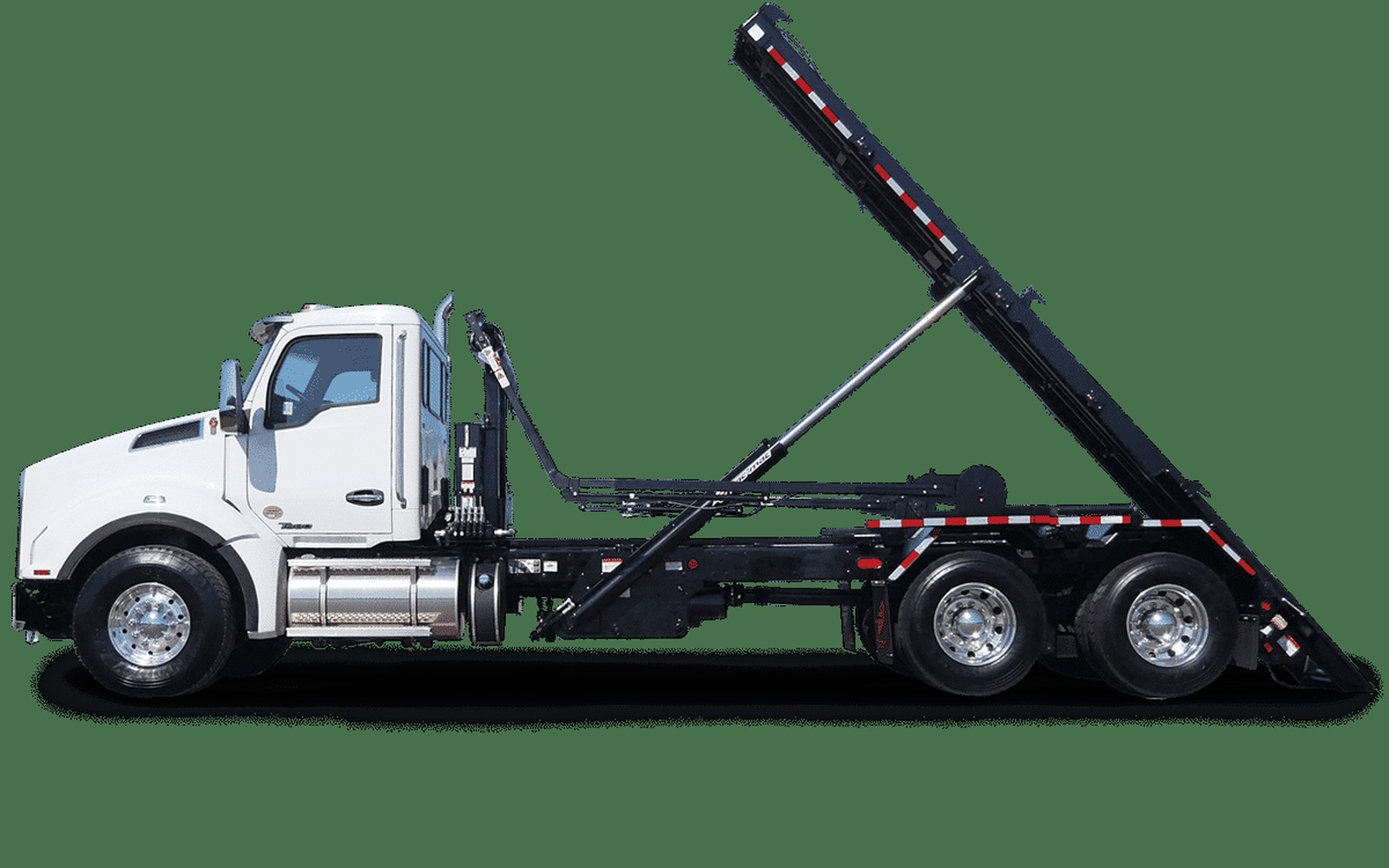
We finance automated side loaders, rear-loaders, front-loaders, roll-off trucks and hoists, recycling trucks, and specialty waste vehicles. The equipment type does not need to fit a narrow box. If it is refuse or waste industry equipment with a plausible market value and an operator who has a clear use for it, the conversation is worth having.
Lease or Loan: Choosing the Right Structure
Some Austin operators prefer a loan structure with a fixed monthly payment and clear ownership at payoff. Others prefer a lease, particularly when they want the option to upgrade equipment at the end of the term without dealing with a trade-in transaction at the time of the next purchase cycle.
A TRAC lease is common in the commercial vehicle space. It sets a terminal rental adjustment clause that gives the operator predictable monthly payments and a predetermined residual value to pay at lease end. The payment is typically lower than a full loan payment because you are not amortizing 100% of the equipment value, which can be useful when managing cash flow across a multi-truck fleet.
A dollar buyout lease functions like a loan in economic terms: you pay down the full value over the term and own the truck for a nominal amount at the end. This structure can work well when you want the payment structure of a lease but the certainty of ownership. The Section 179 deduction treatment may apply depending on your tax position, which is worth discussing with your accountant before finalizing the structure.
Route Questions